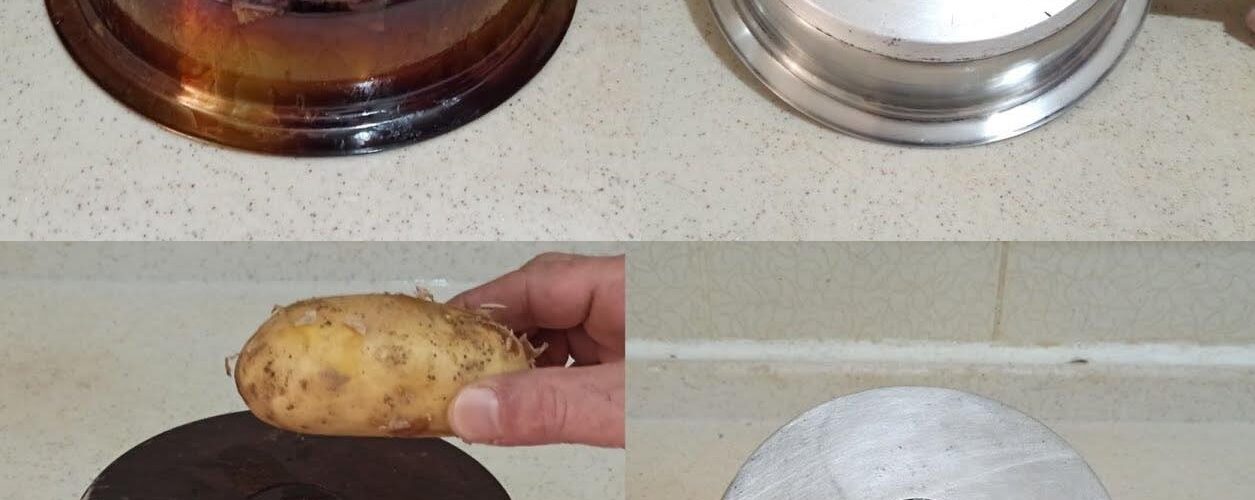
Pans burn when the food or liquids they contain are overheated or left unattended for too long. This can cause charring of the food, which can stick to the sides of the pan and burn it.
Likewise, the use of pans incorrectly selected for the type of cooking and the heat source can cause burns. For example, using aluminum or copper pans that are not suitable for cooking over an open flame or high-temperature hotplates can cause the pans to overheat and burn.
In some cases, the material of the pot itself may be of low quality and therefore burn easily. For example, cheap or poorly made cookware can warp or darken when exposed to high temperatures or left unattended on the stove for too long.
To prevent pans from burning, it is important to pay attention to the cooking of food and frequently check the level of heat used. In addition, it is important to choose good quality pans suitable for the heat sources used, avoiding using metal pans on induction burners or choosing pans not suitable for cooking in the oven.
How to eliminate the problem of burnt pans.
The problem of burnt pans can be annoying but it is possible to eliminate it by following a few simple instructions:
- Let the pot soak : Fill the pot with hot water and a little detergent and let it soak for a few hours or overnight.
- Scrape the burn: Once the pot has soaked for a while, scrape the burn with a plastic or wooden spatula. Do not use metal utensils as they may scratch the pan.
- Cleaning the pot : after removing the burnt, wash the pot with hot water and liquid detergent. If there is still residue, you can use an abrasive sponge or a specific cleaner for burnt pans.
- Proceed with descaling : if the pan is made of aluminum and has traces of lime, it is possible to proceed with descaling with a solution of citric acid or diluted acetic acid. Leave it on for a few hours before rinsing well.
- Prevent future problems: To prevent your pan from burning again, use medium or low heat, avoid leaving food unattended, and use nonstick or quality pans that do not burn easily.
In the case of very burnt pans, it is also possible to use specific products to remove the burnt layer or take the pan to a professional for cleaning. However, these solutions are often expensive and can damage the pot, so it is best to use them only as a last resort.