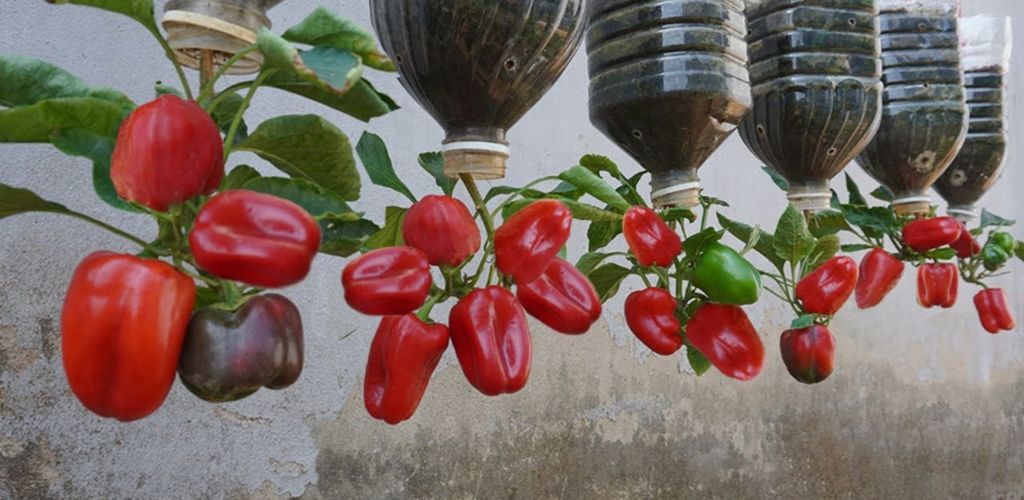
Simple tips that will help you grow lots of peppers, keep your plants healthy, and increase your yield.
Peppers are common in orchards. Bell peppers don’t contain capsaicin, so they’re not hot like some pepper varieties. Peppers can be eaten raw, but they are usually used in other recipes.
Peppers are fairly easy to grow, but there are a few tricks to growing peppers that will give you a better yield.
With these tips, you’ll enjoy a bountiful harvest of sweet and crunchy peppers to feed your family this summer.
1) The Different Colors of Peppers
When you go to your grocery store, you’ll see several different colors of peppers, but red peppers and green peppers are the most commonly available.
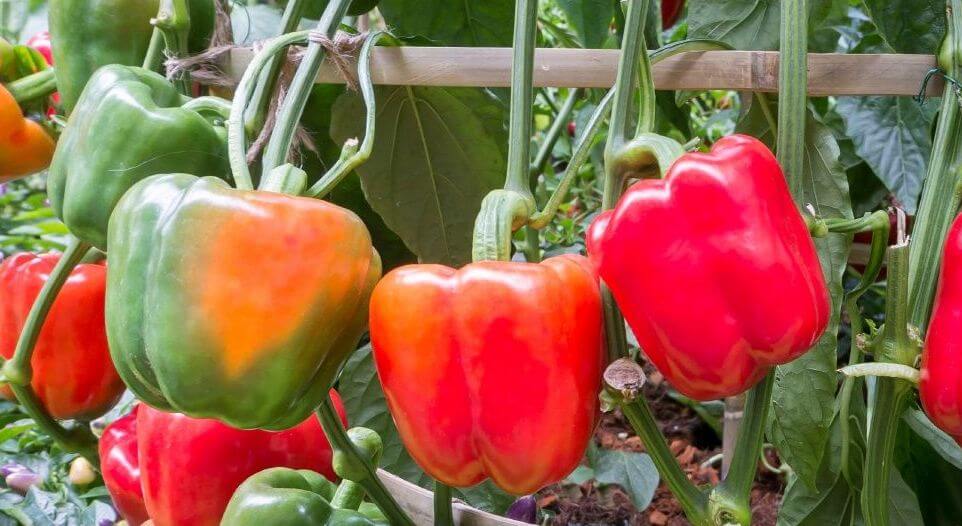
Red peppers and green peppers are actually the same plant, the color actually depends on the ripeness of the fruit. They will be green first, then if left on the plant, they will turn red. Since red peppers stay longer on the plant, they have more vitamin C and tend to be sweeter than green peppers.
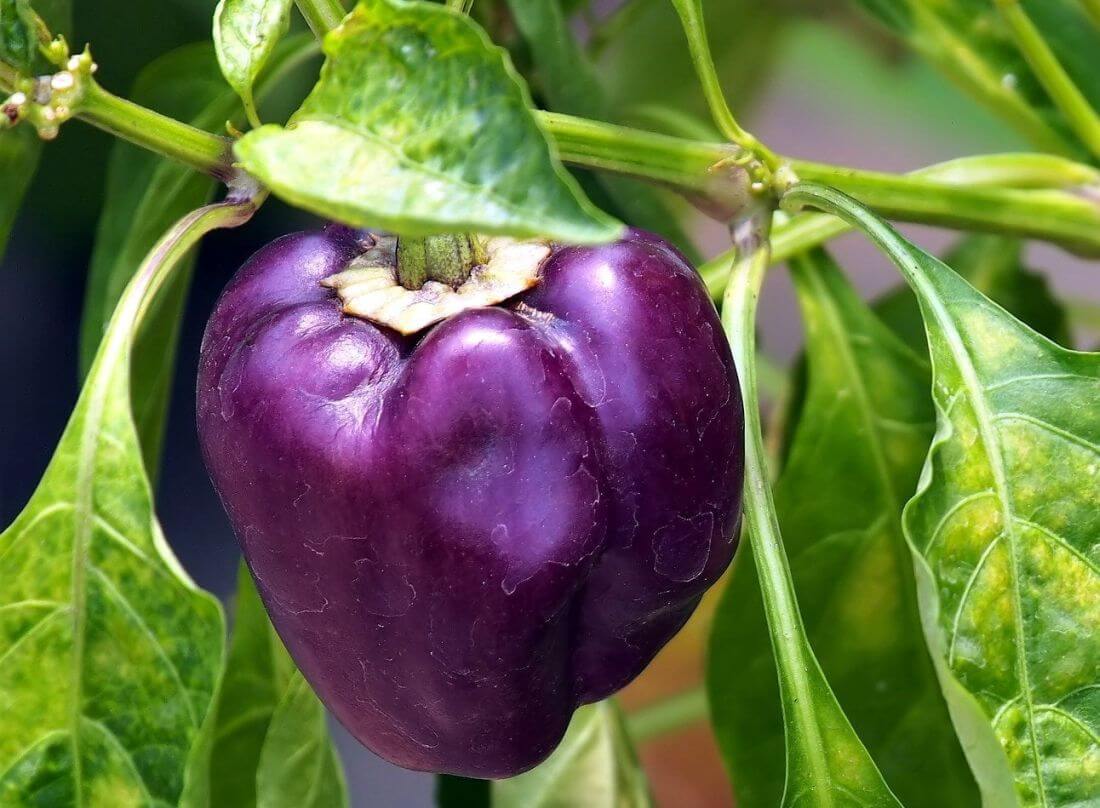
There are varieties of purple, yellow, orange, brown, or white peppers. They are different plants and you can plant more than one variety to add a lot of color to your recipes.
2) Choosing the Right Place to Plant Peppers
Peppers love the sun, so choose a spot in your garden where they can enjoy the sun all day. Make sure they are not in the shade of trees or other tall plants such as sunflowers or tomatoes.
Peppers like soil that is well-drained. They don’t like to get in water, so make sure the area is well-drained. They prefer intermediate soils with sand and clay.
They like a soil pH between 6.0 and 7.0. If you don’t know the pH of your soil, get a test kit and make the necessary adjustments.
Before planting your peppers, add compost or fertilizer to the soil and open it up. This will help improve drainage and provide nutrients to the peppers.
Do not plant peppers where you have recently planted tomatoes, eggplants, or potatoes. These plants attract the same diseases that can be harmful to peppers. Viruses and fungi can live in the soil for a few years, so wait at least three years before planting in the same area.
3) When to Plant Peppers
Peppers love heat, so you don’t want to plant them from seed in the garden. Plant them to start about 8 to 10 weeks before the expected last frost date or buy seedlings from a greenhouse.
Peppers also take about two to three months to mature, so planting them from seedlings gives them a head start over planting from seed.
Young peppers don’t like cold temperatures. Get them used to being outdoors by putting them outside during the day and inside at night so they’re not outside in the cold at night. After a few weeks, they should be ready to be planted.
4) Plant Pepper Plants
Once it’s at least 15°C in the evening, you can plant your peppers in the garden. You can warm the soil by covering it with black plastic for a week before planting your pepper plants.
When planting, plant them no deeper than they were in the pots. Peppers don’t like to be planted deep. Space them about 45 to 60 cm apart.
5) Choosing the Right Pepper Garden Companions
Plant your peppers near your tomatoes. Tomatoes help keep beetles and soil microbes away to protect peppers.
Peppers can also be planted near cucumbers, carrots, eggplants, and onions. If you have problems with beetles, plant geraniums or petunias near the peppers.
Basil grows well close to peppers and keeps insects away. Parsley attracts pollinators and certain types of wasps that repel aphids.
Avoid planting broccoli, cabbage, or mustard plants near your peppers. You should also avoid planting peppers near fennel or green beans.
6) Brackets
You don’t need to put a stake in the peppers, but it can keep them out of the ground. If your plants fall over, they are more susceptible to pests and soil microbes.
7) Make a good mulch
Peppers like to stay warm and have well-drained soil, so mulching the plants is essential. A dark mulch absorbs more heat from the sun to keep the soil warm.
Peppers also love cut grass. Lawn mulch helps prevent weeds from entering your garden quickly and damaging plant roots.
8) Proper watering
Peppers need a lot of water, about 2-5 cm of water per week. Observe the amount of water obtained through rain with a rain gauge and top it up with water if necessary.
If you live in a hot climate or on very hot days, you may need to water twice a day. If your peppers get too dry, they can become bitter.
However, overwatering can damage the roots or rot the flowers.
9) Pruning pepper plants
Remove the first flowers from each plant. This forces the plant to use its energy to grow the whole plant and not just one fruit.
This can help the plant produce more peppers later on, and you’ll get a better harvest.
10) Fertilizer
If you add fertilizer to your garden, wait until the peppers begin to form. Peppers don’t like a lot of nitrogen, so look for a fertilizer that doesn’t contain a lot of nitrogen. Too much nitrogen can cause the plant to produce more leaves instead of flowers and peppers.
11) Pests
Flea beetles and aphids love peppers. If you notice these pests on your peppers, use an organic insecticide that is safe for vegetable plants.
12) Harvest Peppers
Green peppers are ready to harvest approximately 60 to 90 days after planting. Harvest the peppers when they are the size and color you want. They will be green first and then they will turn red. The longer the pepper stays on the plant, the sweeter it will be and the more vitamin C it will contain.
To avoid damaging the plant, use a knife to cut the fruit, leaving about 2 cm of the pepper stem on the plant.
With these tips, you’ll enjoy a bountiful harvest of peppers this year. Peppers are fairly easy to grow, but these simple tips will help you keep your plants healthy and increase their yields.