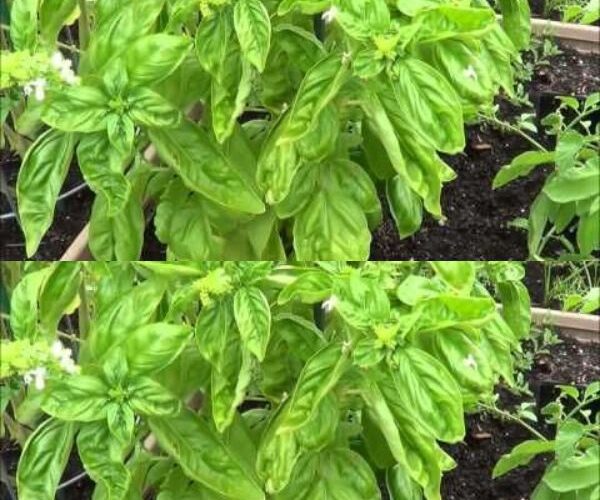
Have you finally fallen in love with a pretty basil plant, but don’t know how to water and maintain it? Don’t worry, we give you the keys to make your basil grow and bloom. Adopt the correct gestures to learn how to maintain and water your potted basil!
How to care for a basil plant? Tips and advice
Basil is an aromatic and medicinal herb widely used in traditional medicine and cooking around the world. However, potted basil or basil plant can die quickly and for no apparent reason. From fungal diseases to care mistakes, here’s how to care for this plant to keep it healthy for a long time. Up to you !
How should you water basil? Gentle irrigation both indoors and outdoors…
To prevent basil from rotting, it is essential to water it properly. Pay attention to the soil moisture and water it, without flooding the plant’s potting mix. If the plant shows signs of disease, it is essential to act as soon as possible to save it. Also, make sure the plant drains well after watering and let the soil dry out between watering cycles. With these basic care, you will enjoy this fresh and tasty herb all year round.
What exposure is needed for basil? Shadow or sun?
In addition to its watering, which must be done correctly, this plant must receive sufficient sunlight and be protected from extreme weather conditions such as drafts and temperatures that are too cold or, on the contrary, too hot. Basil can therefore grow well in a garden, balcony, window or interior room with sufficient natural light. However, the plant can suffer from prolonged and continuous exposure to the sun, especially in places where the climate is very hot.
Why is my potted basil dying?
Fusarium wilt
Fusarium oxysporum is a fungus that causes plants, including basil, to wilt. This fungal disease thrives primarily in warm climates and acidic soils. The symptoms of Fusarium wilt are yellowing and drying of the plant with reduced growth. Once the first signs of this disease appear, basil plants can die within seven days.
antracnosis
The fungus called Colletotrichum is responsible for anthracnose in the basil plant as explained in this study . These are lesions that cause black spots on the stems and leaves of basil. Sudden changes in temperature between warm, humid nights and cool nights can cause this illness.
Root rot and seedling disease
Pythium ultimum and Phytophthora represent germs that grow mainly in moist soil and cause root rot . These bacteria can be spread through gardening tools, plant debris, and unsterilized trays. They are responsible for infection and rotting of the roots of the basil plant, but also for poor growth of seedlings.
How to transplant basil?
Did you just buy a basil plant at the store and want to repot it? If you grow your basil from seeds, wait until the seedlings are two weeks old before transplanting them. Additionally, if the weather permits, you can transplant your basil in your garden or terrace; Otherwise, take a 20/25 cm deep pot for a capacity of 7 liters and place your seedlings in it. Follow the guide!
You will need the following tools:
- A larger container: Why a larger pot? To allow the roots to spread better, it should be at least 5-7 cm taller.
- A similar soil: Did you know that basil prefers well-drained soil with a neutral pH? To avoid stressing your plant when repotting, the new potting mix should be similar to what it was planted in.
The steps to follow:
- Sprinkle the new container with the new potting soil about 2 cm from the bottom of the pot.
- Then gently grab the original pot, place your hands on the bottom on the sides, and slowly turn the pot evenly.
- Press with your hands so that the plant slides out of the pot.
- Then place the plant in its new container. If you cannot reach 2cm from the edge of the pot, add or remove soil from below
- Finally, sprinkle new potting soil around the plant to reduce the space between it and the pot that houses it.
Once your basil has settled comfortably in its new container, place it in daylight or outdoors (temperature permitting!) and water it gently.
Now you know not only the right things to do to maintain your basil plant, but also the steps to follow when repotting it. So, what are you waiting for to take care of it and enjoy it?