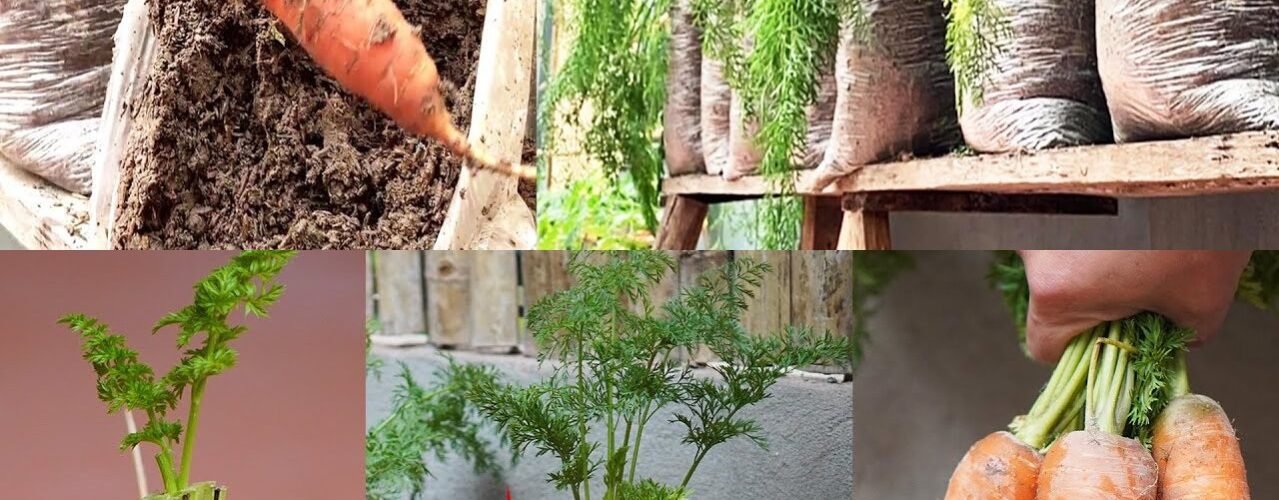
Direct sowing your seeds simply means sowing your seeds outside in the garden where they will grow directly into your vegetable garden instead of starting the seeds inside in containers under lights.
If you live in a warm climate, you can direct sow almost any crop. Those of us who grow in colder regions start sowing seeds indoors under lights or purchase seedlings to sow in a greenhouse that can be transplanted into the garden once any danger of frost has passed. If we don’t start some crops early, we don’t have enough time to produce a crop before our first fall frost.
Not all plants need to be started early under lights, even for those of us who live in colder regions. Plants that are difficult to transplant or that do not need more time to get started can be sown directly into the garden.
Find below a list of 13 vegetables that are easy to sow directly outdoors in the garden:
1- Beans:
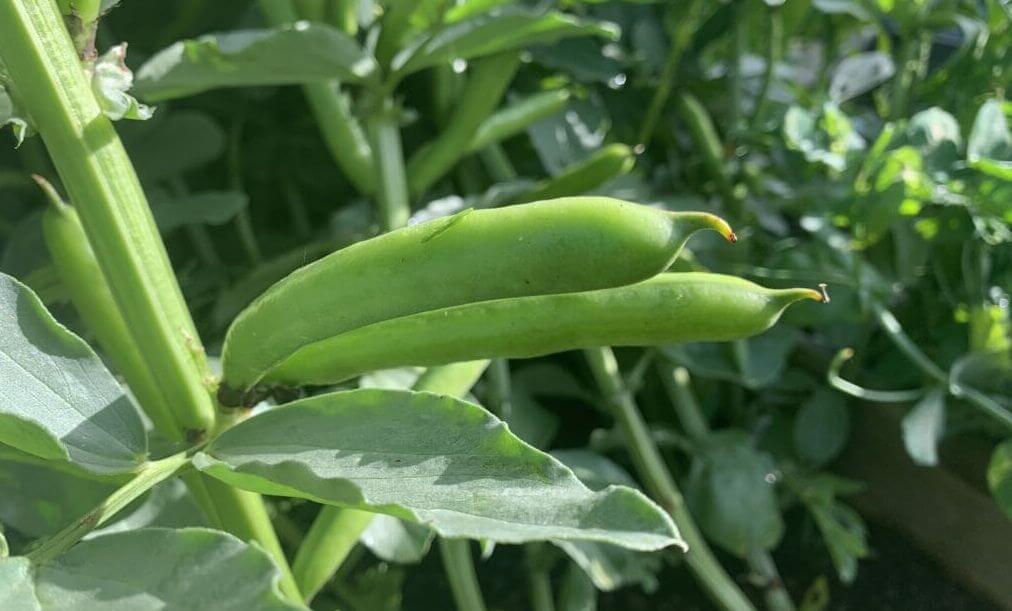
There are usually two types of beans. Green beans grow long vines and will need the support of a post or trellis. White beans continue to be produced for a long time until frost. Dwarf beans produce their harvest faster and almost at the same time. Plant several successive plantings of dwarf beans two weeks apart for a continuous harvest all summer long. Seeds germinate quickly in warm soil and may benefit from a brief soak in water for 4 to 6 hours before planting. Sow in late spring when the soil warms after danger of frost has passed. For most varieties, plant 2.5cm deep, 7-10cm apart.
2- Beet:
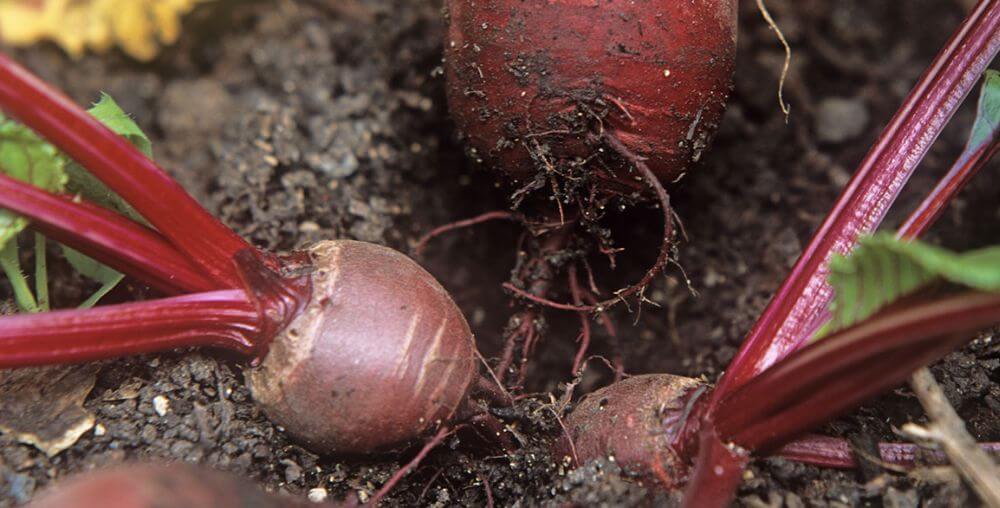
This dual-purpose crop produces fresh greens and roots. Beets prefer cool weather. Sow seeds directly as soon as the soil can be worked. Sow every three weeks during the colder months for a continuous harvest. Seeds germinate faster in warmer soil and may benefit from a brief soak in water for 4 to 6 hours before planting. For most varieties, plant seeds 0.5cm deep and 2.5cm apart. Beet seeds are actually a pod that contains several seeds. Once the beets are about 13cm tall, thin one plant every 7 to 15cm. You can eat the seedling without preserving.
3- Carrots:
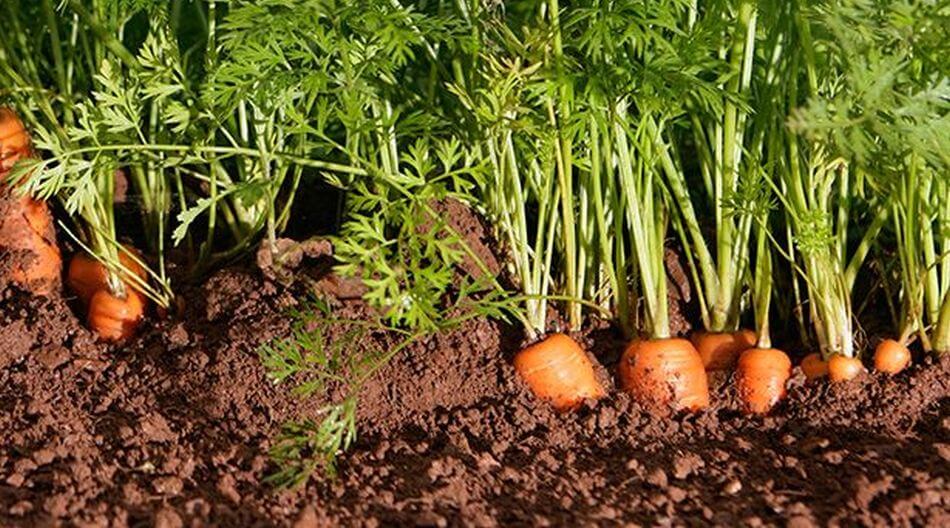
Carrot seeds are small and difficult to space individually. Homemade seed mats make sowing carrot seeds easy. Carrots are a cool season crop and will tolerate frost once established. Direct sow seeds about three weeks before the last expected frost. Sow the seeds 1cm deep and 1cm apart. Keep the soil evenly moist. Once the seedlings are 5cm tall, thin one plant every 3cm for mini carrots or one plant every 7cm for larger carrots.
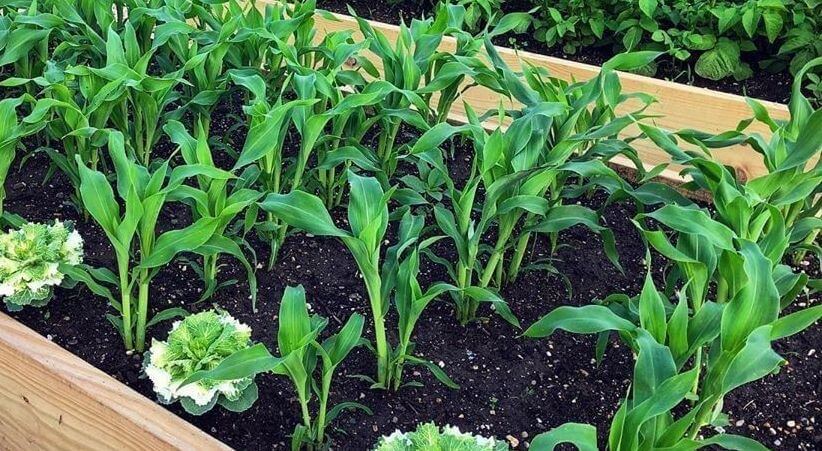
4- Corn:
Since corn is wind-pollinated, it should be planted in blocks or at least four short rows side by side, resulting in a block of plants. Sow seeds directly outdoors when the soil temperature is around 15°C, about two weeks after the last frost. For most varieties, plant 2.5cm deep, spacing 10-12cm apart. Transplant a plant every 30 cm.
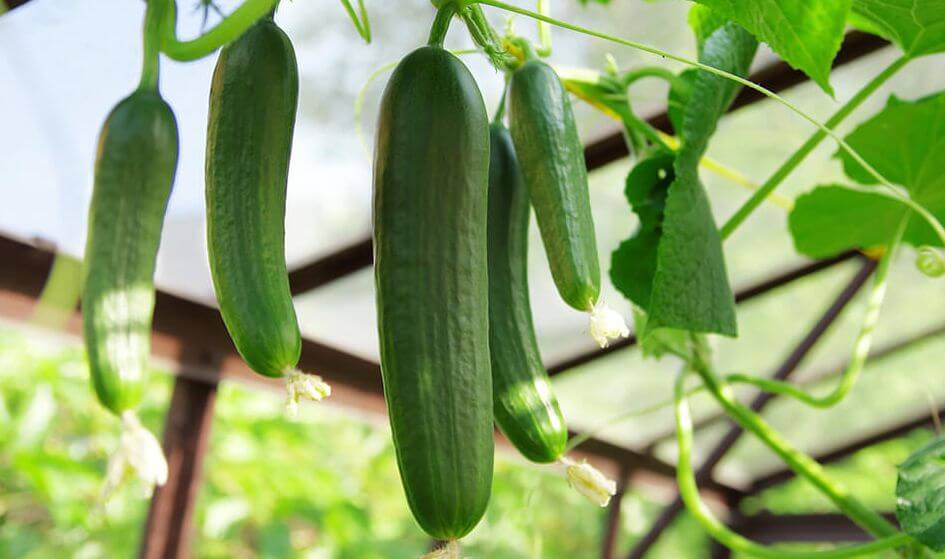
5- Cucumbers:
Grow cucumbers on mounds and leave enough room for the vines to stretch out or grow along a trellis to save space. Direct sow seeds when the soil has warmed, about a week after your last frost date. For most varieties, plant 2.5cm deep and 15-20cm apart. If you grow cucumber in mounds, plant three plants per mound and space your mounds 18 to 3 feet apart. Thinning is not necessary if you grow along a trellis or in mounds.
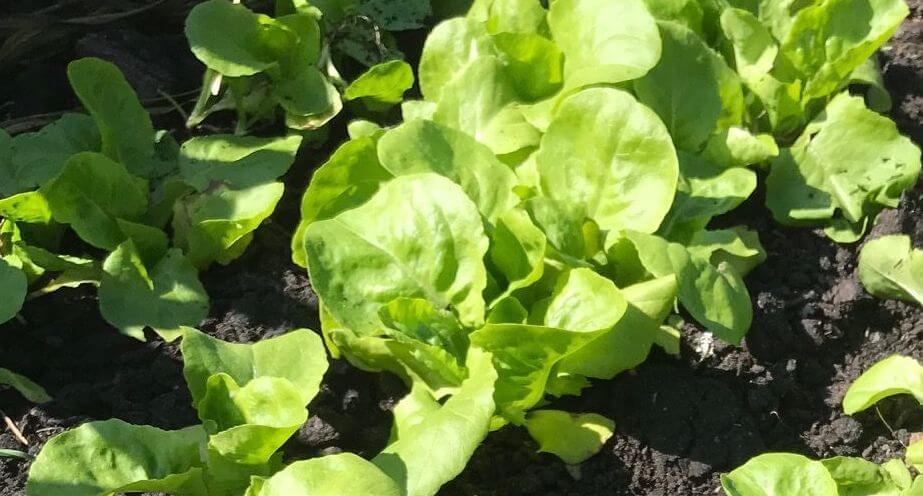
6- Lettuce:
There are many varieties of lettuce with leaves of various colors and shapes. Lettuce prefers cool weather and tolerates frost once established. Sow seeds directly as soon as the soil can be worked. Plant seeds 0.5 cm deep and keep the soil evenly moist. Thin-leaf lettuce varieties 10 cm apart, cos and loose-headed varieties should be 20 cm apart, and firm-headed varieties 40 cm apart. Homemade seed mats make sowing lettuce seeds easy.
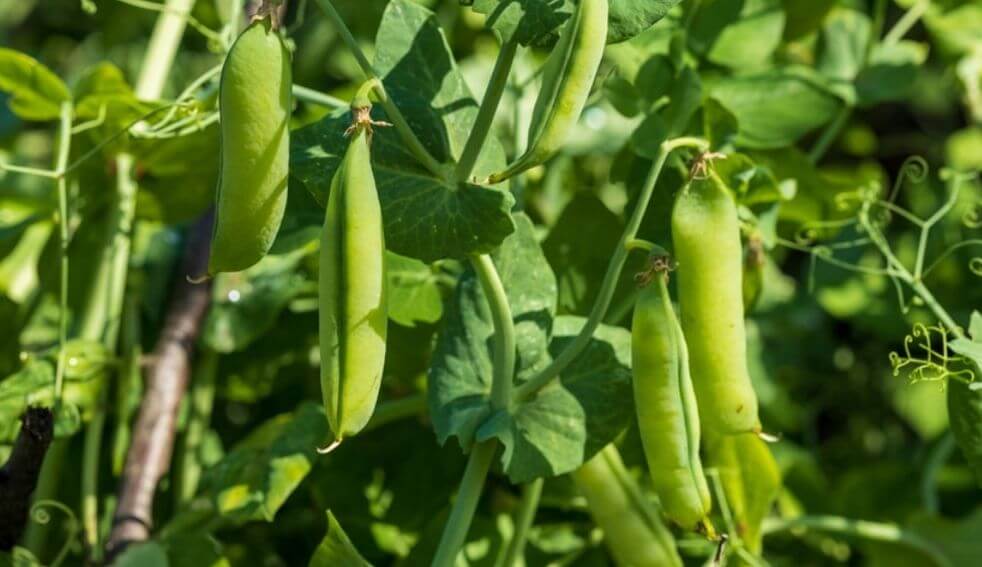
7- Peas:
Some pea varieties grow on short vines and long vines, but all pea plants benefit from trellis supports to satisfy their climbing nature. The pods will also be easier to harvest along a trellis. Peas love cool weather and tolerate a little frost once the plants are established. Seeds germinate faster in warm soil and may benefit from a brief soak in water for 4 to 6 hours before planting. Direct sow pea seeds in early spring as soon as the soil can be worked. For most varieties, plant 2.5cm deep and 5-8cm apart. Weight loss is generally not necessary.
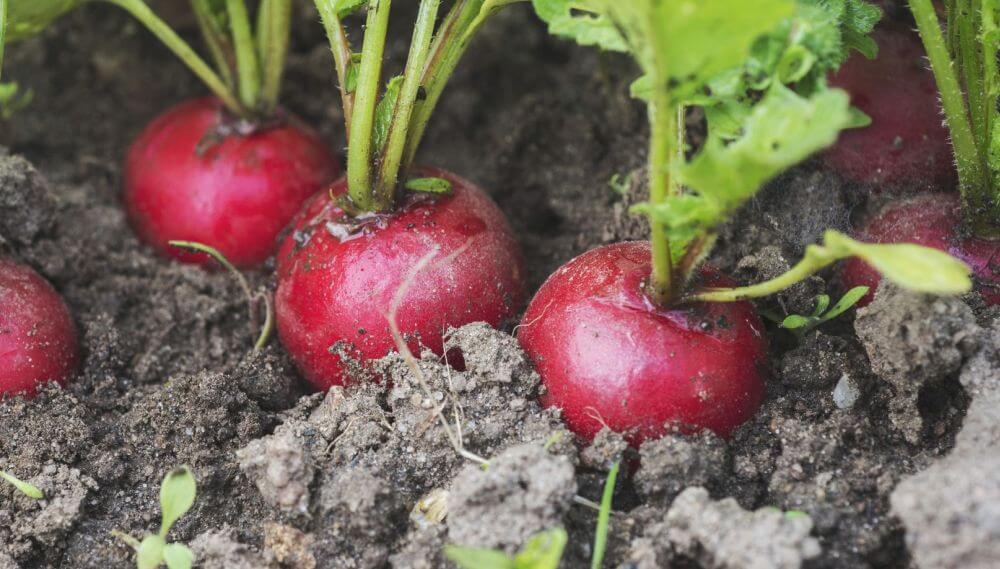
8- Radishes:
Radishes are a rewarding vegetable to grow. It prefers cool weather and grows very quickly. Sow every two weeks during the colder months for a continuous harvest. Sow seeds directly as soon as the soil can be worked. For most varieties, plant 1cm deep and 5-8cm apart. Weight loss is generally not necessary.
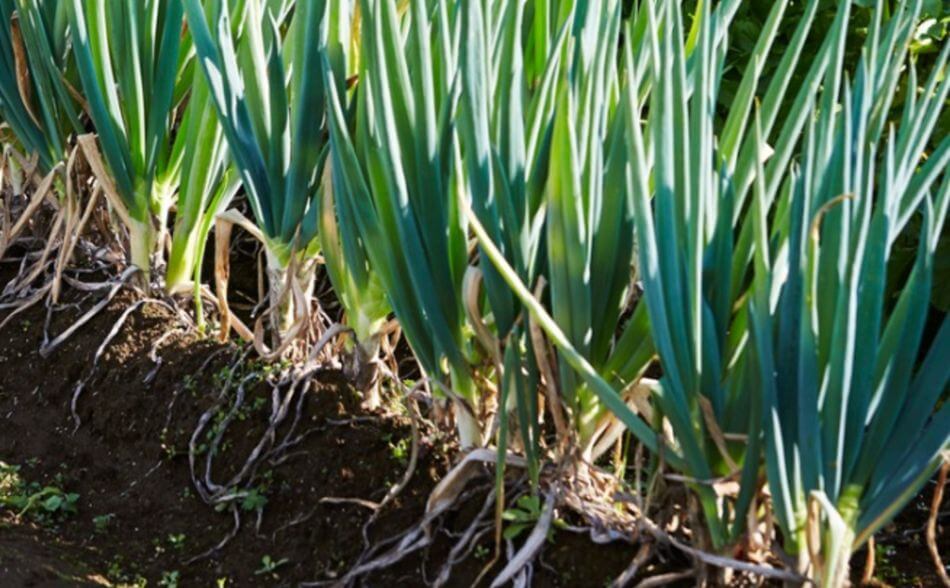
9- Green onions:
Green onions (also called boot onions) are frost tolerant and many varieties will overwinter and continue growing the following season. Sow seeds directly as soon as the soil can be worked. Plant seeds 0.5 cm deep and 1 cm apart. Thin to 5cm for smaller bulbs, but more space for larger bulbs.
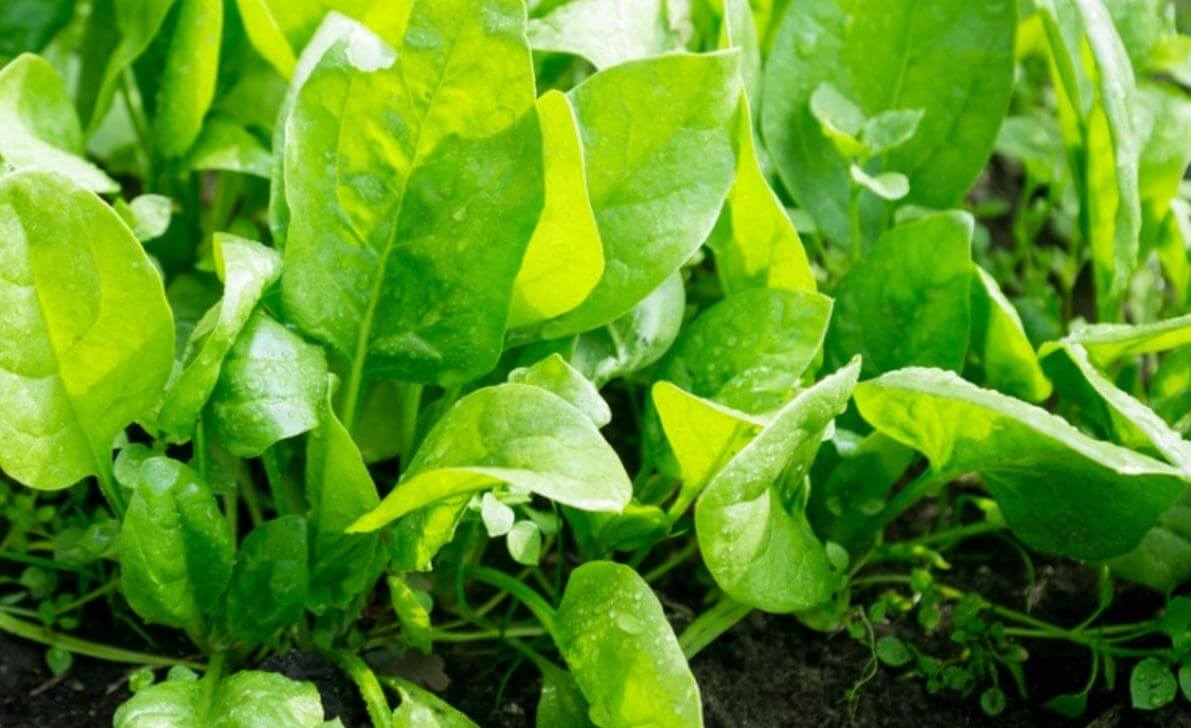
10- Spinach:
Spinach prefers cool weather, and even seedlings tolerate frost. Sow every two weeks during the colder months for a continuous harvest. Sow again in mid to late summer for fall harvest. Seeds do not germinate well in warm soil. Pre-germination of seeds increases the germination rate. Sow seeds directly as soon as the soil can be worked. For most varieties, plant seeds 1cm deep and 2.5cm apart. Thin to 5 to 15 cm.
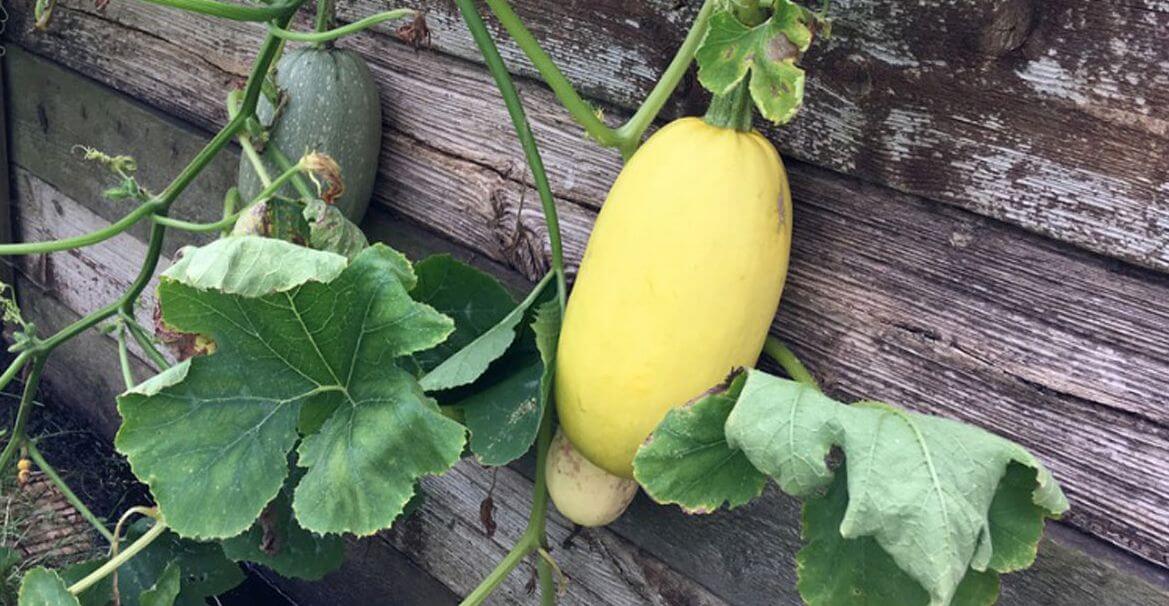
11- Pumpkin:
There are two main types of squash, winter squash and summer squash. The difference is its harvest time. Summer squash is harvested young, while the skin is soft. Winter squash takes much longer to mature and is harvested at full maturity. Direct sow seeds when the soil has warmed, about a week after your last frost date. Use the mounding method for most squash varieties. Plant plants 2.5cm deep and space plants 15-20cm apart. Space your hills 1.2 to 2 m depending on the size of the fruit. Thin up to three plants per mound.
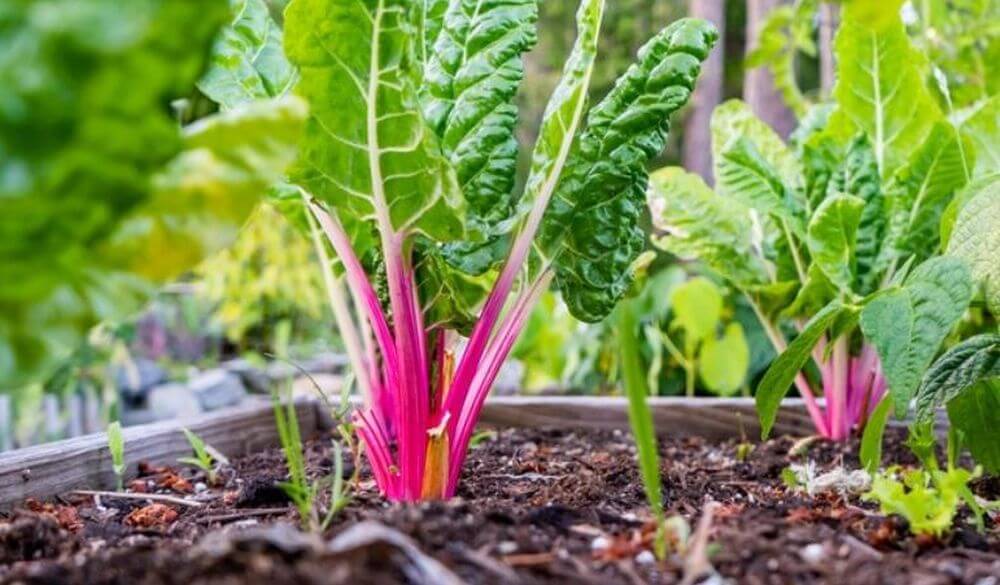
12- Chard:
Swiss chard is one of the few vegetables that grows in both cold and warm climates. Direct sow seeds two weeks before your last frost date. Seeds germinate faster in warmer soil and may benefit from a brief soak in water for 4 to 6 hours before planting. Plant seeds 1 cm deep and 5 cm apart. Like beets, Swiss chard seed pods contain several seeds. Once the beets are about 10cm tall, thin one plant every 15 to 30cm.

13- Turnips:
Grow turnips for greens and roots. Turnips prefer cool weather. Sow every two weeks during the colder months for a continuous harvest. Sow seeds directly as soon as the soil can be worked. For most varieties, plant 0.5 cm deep, 2.5-5 cm apart. Once the seedlings are 10cm tall, thin small varieties of turnips by 5cm to 10cm and larger varieties by 10 to 15cm. Weight loss is not necessary to consume them as green vegetables.
And you? So, is your favorite no-till crop in the garden making the list?
If not, leave a comment and tell us which vegetables you think are easy to sow directly into the garden.