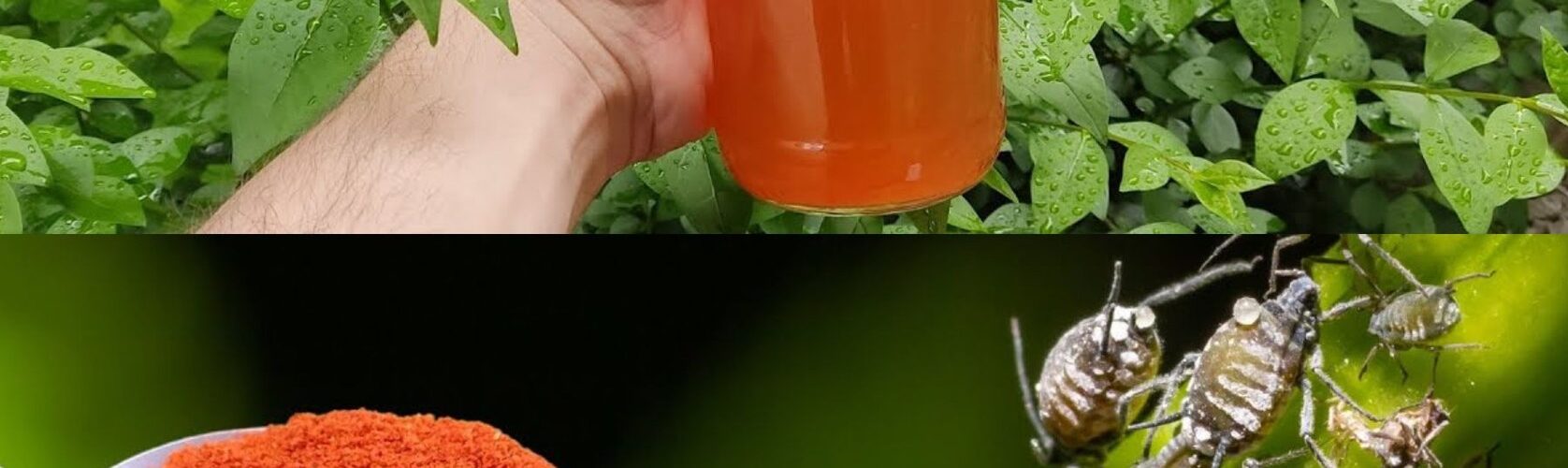
Gardening enthusiasts will tell you that there is nothing more satisfying than having beautiful, fresh, healthy plants at home. Admiring its lush and flowery garden is a true pleasure on a daily basis. The only drawback: these parasites that come to disturb our serenity. It is difficult to escape from this multitude of unwanted insects that invade our beautiful plants, infest their leaves and disrupt their growth. But not impossible!
Aphids, also called plant lice, are small, soft-bodied, pear-shaped insects. There are different types of aphids, which also have more or less distinctive characteristics. But why are they dangerous for our plants? They tend to suck plant sap. This can prevent the plant from carrying out its natural chlorophyll photosynthesis and encourages the appearance of dangerous fungi.
Of course, there are several solutions to scare away all these undesirables. Don’t want to use chemicals? Don’t worry, you can opt for natural insecticides. Quickly discover these ecological remedies to protect your garden or orchard.
NB We recommend that you always consult a specialist to check the health of your plants before taking action.
Sodium bicarbonate
Often used to make household chores easier, baking soda is also very useful for maintaining your garden. In fact, this economical and ecological product is one of the natural ways to protect plants from the pests that surround them. Aphids, ants, mealybugs, cabbage worms… all these pests and other pathogenic fungi that proliferate on plants will be repelled thanks to their ability to limit the proliferation of bacteria.
Dissolve 2 tablespoons of baking soda in 1 liter of water and add a few drops of neem oil.
As a bonus, baking soda has an excellent cleaning effect. Therefore, you can use it to clean the leaves by dissolving half a teaspoon of the product in a liter of water and spraying with a spray bottle.
Aceite de Neem
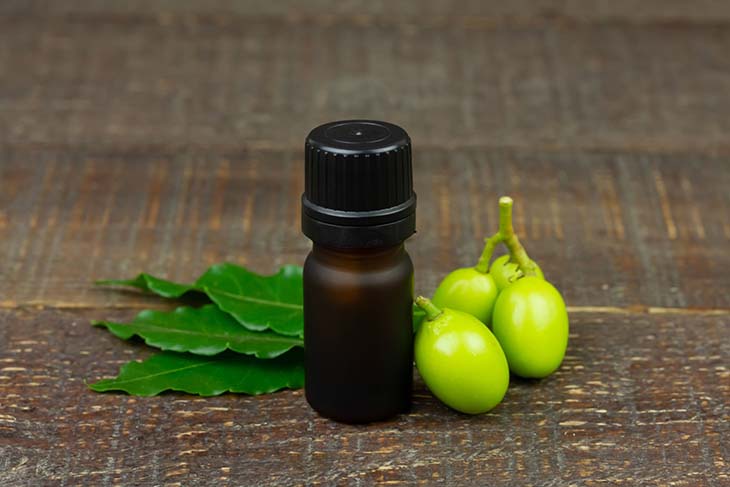
Neem oil – Source: spm
This natural vegetable oil has many virtues. It has antifungal and antiparasitic properties, making it an excellent natural remedy for certain plant and insect pests. It is one of the most popular remedies to scare away aphids, for example. It is a very thick oil, so it must be diluted and preferably in the Marseille soap and water solution. Add 5-6 drops of neem oil to this solution (1 liter) and spray it on your plants.
Marseille soap
Another natural method to get rid of aphids: Marseille soap.
This popular household and laundry cleaner also acts as a true natural insecticide. It is also particularly suitable for all soft-bodied insects, such as red spiders or scale insects.
As an insecticide, Marseille soap acts purely mechanically, creating an envelope that prevents these undesirables from breathing and therefore makes them disappear. You just have to dissolve 10 g of Marseille soap in a liter of water and pour the mixture into a sprayer. And voila!
SHE
Known for its pungent odor, garlic is rich in nutrients, but it is also a natural insecticide.
Take a head of garlic, cut it into cloves and peel them. Boil them in half a liter of water and add the skin. After 5 to 10 minutes, let cool and filter. This mixture contains carotene, considered the most powerful antioxidant in the garden. It also contains minerals and vitamin B, essential nutrients for certain plants. But it not only acts as a fertilizer, it is also an excellent pest control!
nettle oil
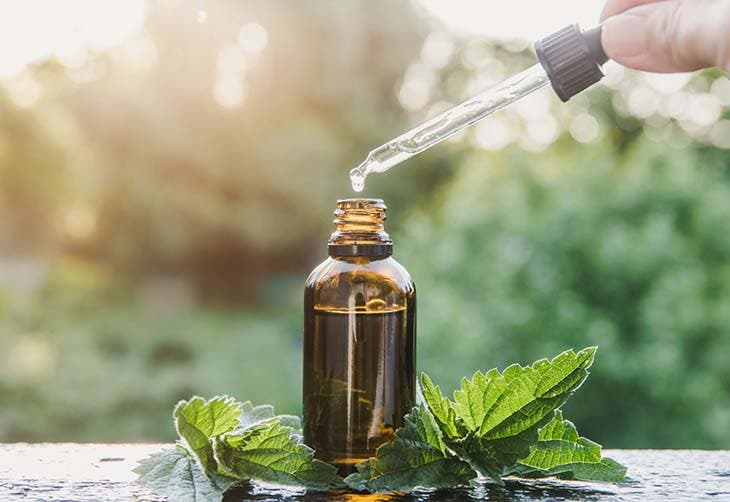
Nettle oil – Source: spm
Finally, you can still try this nettle oil-based remedy, one of the best-known natural solutions against insects in the agricultural world. This oil is, in fact, acclaimed for its fertilizing and antiparasitic effect. It contains salicylic acid and formic acid that help eliminate aphids and other pests from our garden plants.
Take 1 kg of nettle leaves and soak them in a very large container with 10 liters of water.
Maceration should be done indoors until the liquid turns black and foam does not form. After about 3 weeks, you can finally spray this solution on your plants!
Thanks to these little natural tricks, you can prevent all garden pests from lurking around your plants and thus allow them to flourish fully.