Some plants are placed on window sills. In addition to providing a decorative touch to your living room, this location offers them the necessary light for their growth. It should be noted, however, that not all plants have the same need for light. Here are the 5 plants to avoid placing on window sills.
Having beautiful plants is ideal for adding a touch of nature to your interior decoration. This provides a real feeling of well-being and serenity in the home. The windowsill is also the perfect corner to put potted plants that like direct sunlight. But we must not lose sight of the fact that all these plants cannot flourish in the same way in this place. Too much light can hinder its growth.
What are the plants that should not be put on the windowsill?
Some plants prefer to live in humid or low light places. Putting them in an exposed place like window sills could be fatal.
- The orchid, a plant that prefers humidity

The first plant that should not be placed on window sills is the orchid. It above all needs humidity to develop. Additionally, it does not need much light to flower and can be sensitive when exposed to long hours of sunlight . Therefore, window sills should be avoided whenever they face east or west. The orchid will receive light in the morning or afternoon. On the other hand, on a south-facing window, you should take some precautions by installing a curtain to protect it from the sun’s rays . Additionally, the interior temperature must be between 16°C and 24°C for it to survive.
- The Christmas Cactus, a plant that does not like heat

The Christmas cactus is also a plant that cannot bloom on windowsills. Although it appreciates light, this succulent plant does not like to be exposed to direct sunlight. Therefore, it should be kept away from any heat source and left in a place at a temperature between 18 and 21 ° C during the day and between 13 ° C and 18 ° at night. Therefore, it is possible to place it near windows, but not on the windowsill. Also avoid cold or hot drafts which are harmful to this plant.
- Poinsettia, a plant very sensitive to the sun

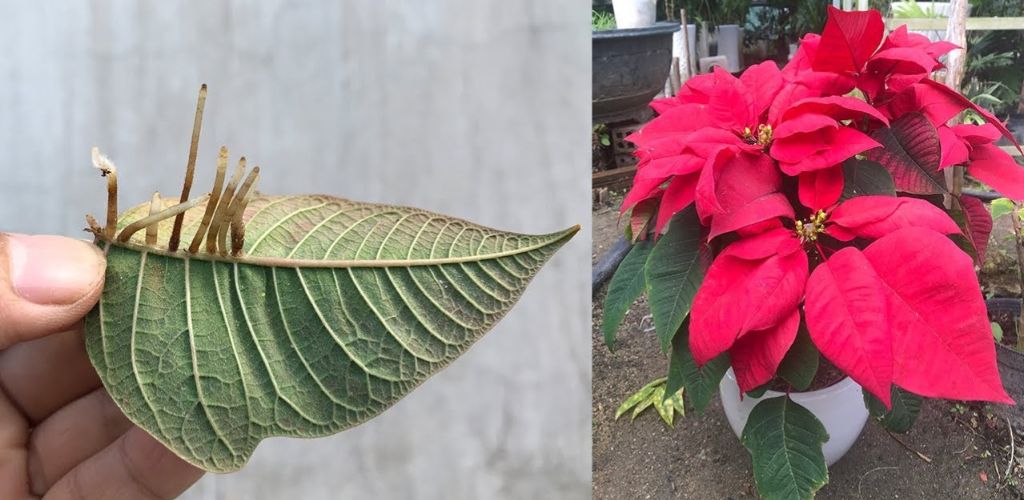
Poinsettia is a plant that grows especially in winter. It is often part of the decorations for end-of-year celebrations. To care for it, it is advisable to choose a bright place away from window sills and other heat sources such as the radiator. In addition, this plant does not appreciate drafts and can stay healthy at a temperature ranging between 15°C and 21°C. Therefore, when it is on the windowsill, the sun can dry its red leaves and damage them. Also avoid sudden changes in temperature which can kill your plant.
- Cyclamen, a shade or semishade plant

Cyclamen is another plant that does not tolerate heat. Therefore, it is best to keep it away from window sills and radiator in winter. The latter is often located under the window. It is also a shade or semi-shade plant that will not tolerate prolonged exposure to sunlight. It is best to store it in a bright, cool and ventilated place at a temperature of 16 ° C. If you do not have a cool area for cyclamen, it is possible to favor a window sill, located to the north. By doing so, the cyclamen will be able to bloom from September to May and stay in top shape.
- Amaryllis, a plant that needs to be moved

Like the other plants mentioned above, Amaryllis needs exposure to full light, but does not need to receive direct sunlight to flower. Additionally, this plant needs to be moved throughout the year for healthy, sustained growth. Then install the Amaryllis in a cool, dry place with a temperature of about 15 ° C before flowering. Once the process is underway, move it to a warmer corner to encourage its growth. The temperature must be between 24°C and 26°C. When the flowers open, it is important to put them in a cooler corner at a temperature of around 21 ° C.