
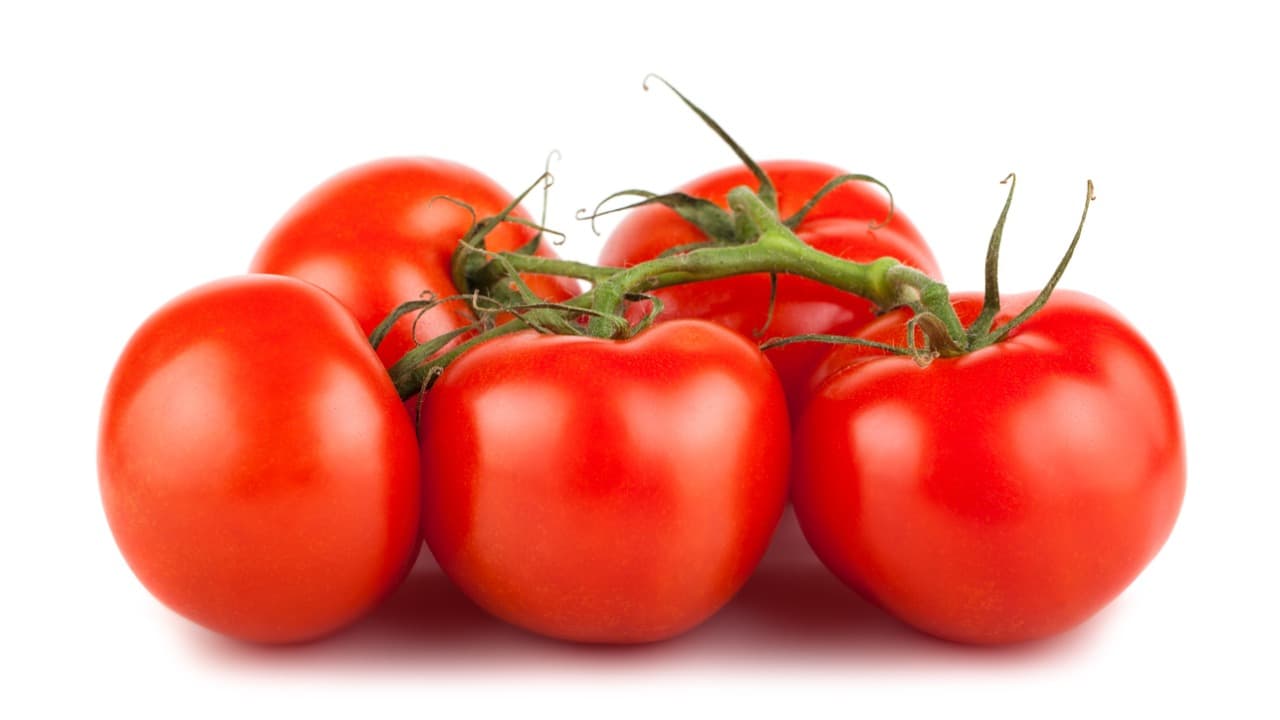
The tomato is a highly appreciated vegetable in the gastronomic world for its rich flavor and the adaptability it offers to different dishes.
Having a tomato plant in your home garden is an incredible experience and that is why many decide to include it almost as a must.
Tomatoes, how to water them so that they are juicy
One of the points that you should perhaps pay more attention to is watering tomatoes because they do not tolerate drought or excess water. Tomatoes are species that need a certain amount of water to thrive favorably.
Unlike other types of vegetables, persistence in this matter is essential to ensure that it is healthy and offers an adequate harvest. Now, it is not about watering because it has to be done, it is necessary to understand the processes it goes through from when it is a seed until it has red, edible fruits.
How can we detect lack of irrigation?
Tomato plants will look vigorous as long as watering is adequate for their needs. When this vigor is lost, it is most likely due to a water stress problem.
However, it should not be confused with the natural decline that occurs when the most extreme hours of sunshine arrive, but rather the plant should be boosted at dusk.
If the drought continues, the plant will not be able to give a good harvest or stay alive, so it will eventually die.
How often do we water tomatoes?
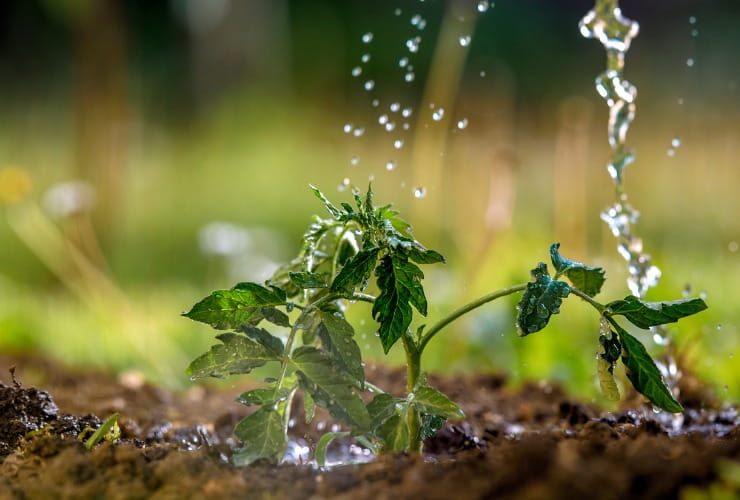
The frequency of watering the tomato should be established based on its particular needs at each stage . When seeds are planted, this is usually the busiest time for this issue, as a lot of moisture is required for them to germinate.
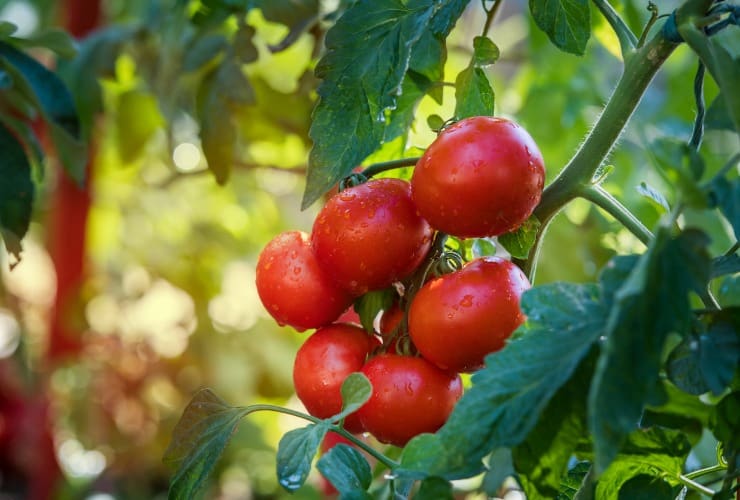
Once it has been established as a plant, factors such as soil, climate, exposure to sunlight, among others, must be taken into account.
The most advisable thing is to make short irrigations with little water but daily in the productive phase, reducing them to two per week the rest of the time.
What is the best way to water?
Drip irrigation is the best alternative for watering tomato plants because it helps provide water with two basic principles: slow and constant.
When water can penetrate deep into the soil without risking flooding, the plant develops a better root system.
In this way the aerial part will have a better appearance and this will have a positive impact on the production of the vegetable.
Keep in mind that watering the foliage and fruit will be counterproductive to the health of the tomato plant, so be careful not to do so.
How do we detect excess water?
When the soil has excess moisture , the roots will not be able to offer the necessary oxygen to the rest of the plant. This will have consequences in terms of foliage color and loss of vigor, since it will be difficult for it to carry out vital processes such as photosynthesis.
Likewise, access to nutrients will be negatively influenced, which will reduce the vigor of the plant. All of this will obviously affect the productivity of the tomatoes, which may be reduced in quantity or of poor quality.
But the most significant damage is linked to root rot and the possible establishment of fungi , which love wetlands. When watering the tomato, it is also important to evaluate the state of the water quality because it will be essential to have a healthy crop.
In general, you can use those that contain a certain level of salts , but taking care that it is not excessive. In any case, if you only want to give it the most favorable water for its growth and production, be careful to collect rainwater , it will be ideal.