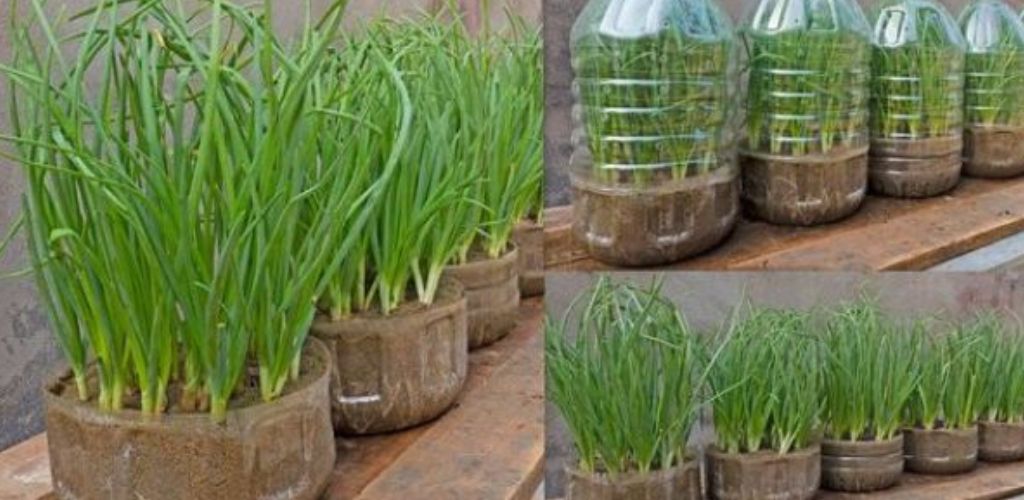
Onions are one of the most popular vegetables for growing at home and in gardens and are one of the first spring crops. Onions can be stored over winter and therefore provide a versatile crop.
They are used in a wide range of culinary dishes, both raw (salads) and cooked.
If it is necessary to add manure or composted organic matter, add it a few weeks before planting/transplanting.
You can lightly tread the soil to make it firm shortly before planting.
Sowing
Onions can be planted from seeds or from sets (small, partially grown onion bulbs). The sets are more expensive, but tend to be more reliable in their results and also require less work, with no thinning and less risk of loss.
If you choose to sow from seed, sow in holes about 2 cm deep, with about 1 inch between each seed. If planting in rows, space the rows about 30cm apart.
The soil should be moist before planting, check the soil the day before planting and add water if the soil is dry.
Planting of onions can begin in mid to late March (earlier if using a bell/poly tunnel). Again space the rows about 30cm apart. Dig a small hole for each set and place it at the top of the neck. Then cover with soil until the tip of the neck breaks through the surface of the soil.
Chives (scallions) can be sown from April and plantings should be staggered by a few weeks to ensure a continuous harvest throughout the growing season.
The onion will grow in most climates and is frost resistant.
The type of soil
Onion will grow in almost any soil, from sandy to clay. The ground must be firm. If your soil is heavy, you can work some organic compost or manure into the soil to help its moisture retention properties.
Onions prefer slightly acidic soil: a PH of 5.5 to 6.5 is a good PH for growing onions.
Be careful of weeds among onions, onions do not trap much incoming light due to the shape of their sparse leaves, so weeds can make the most of the available light and prevent your plants from growing well.
If your crop was grown from seed, you will need to thin the onions when they reach about 5cm in height so that they are about 10cm apart.
Onions are ready to harvest a week after their tips have begun to fall off and turn yellow.
Use a fork to lift the onions off the ground. Be careful not to damage the skin as this invites organisms to attack the flesh of the onion.
Onions should be harvested on a sunny day, cleaned of any soil adhering to the bulbs and then placed on top of the soil where they dry, with the help of the sun and wind. Leave the onions for a few days (until the tips dry out).
Remove the top with a sharp knife about 2 cm above the top so that decaying organisms do not have direct access to the onion bulb.
Discard any onions that show signs of rot or attack, as they can affect healthy onions if stored together.
If you want to store onions during the winter, you can preserve them by hanging them in a well-ventilated place (such as on the roof of the house on a summer terrace). Mesh bags or ropes can be used for the group to hang the onions, which will last 3 to 4 weeks.
Chives can be harvested when they are about 30-40cm tall and can be stored for up to a week in the refrigerator. To prepare the chives, simply remove all the outer leaves and wash them.