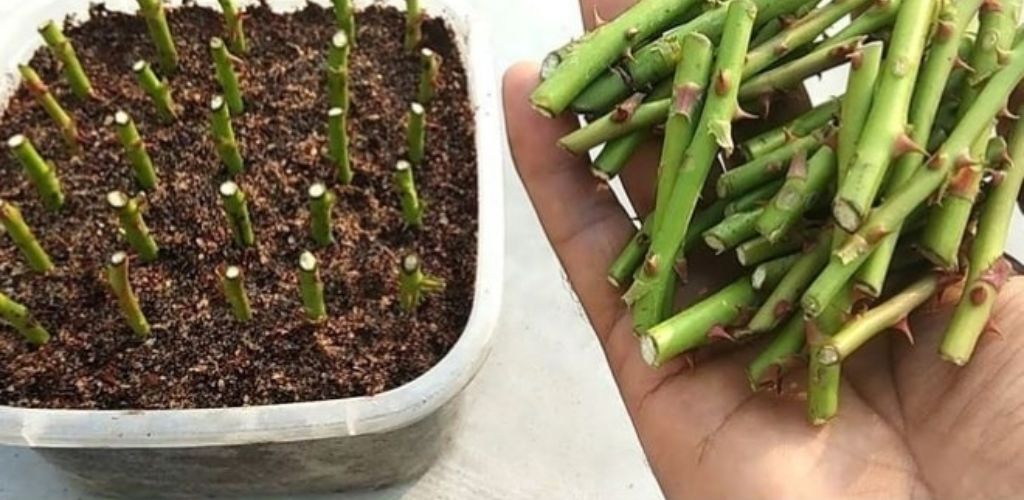
Roses are a classic and beloved flower that can add beauty and fragrance to any garden. However, growing roses can be a little complicated, especially for those who are new to gardening. With proper care and attention, anyone can grow beautiful roses. Here is a guide on how to grow roses.
Choose the right location: Roses need at least 6 hours of sunlight a day, so it is essential to choose a location in your garden that receives plenty of sun. They also need well-draining soil, so if your soil is heavy or clayey, consider adding compost or other organic matter to improve drainage. It is also important to ensure that the location has good air circulation to prevent diseases and pests.
Choose the right variety: There are hundreds of varieties of roses, each with its own unique characteristics. Some varieties are more disease resistant than others and some are better adapted to certain climates. Before purchasing a rose, research the different varieties and choose one that thrives in your area. Decide if you want a hybrid, grandiflora, floribunda, bush, climbing or groundcover tea.
Planting: The best time to plant roses is in spring after the last frost. When planting, dig a hole twice as wide and deep as the root ball. Add some compost to the bottom of the hole and spread the roots into the hole. Fill the hole with soil, making sure to plant the rose at the same depth it was growing in its container. Firm the soil around the rose and water it well. It is also important to add a layer of mulch around the base of the rose to help retain moisture and suppress weeds.
Watering: Roses should be kept constantly moist, but not soggy. A good rule of thumb is to water deeply once a week, or more often during warm weather. Be sure to monitor soil moisture and adjust watering accordingly. Water roses in the morning, this way the leaves will have time to dry before night and prevent diseases.
Fertilization: Roses benefit from regular fertilization. A balanced fertilizer, such as 10-10-10 or rose food, can be applied every 4 to 6 weeks during the growing season. Organic options such as bone meal, fish emulsion or seaweed can also be used. It is also important to ensure that your roses have a constant supply of nutrients, especially in the first few weeks after planting.
Pruning: Pruning is essential to maintaining the health and shape of a rose bush. Dead, diseased or damaged wood should be removed in late winter or early spring. After the first wave of blooms, prune spent blooms, this will encourage new growth and a second cycle of blooms. Pruning also helps promote the production of new flowers and helps reduce the risk of pests and diseases.
Pest and Disease Control: Regularly inspecting roses for pests and diseases is an important part of rose care. Common rose pests include aphids, thrips and spider mites. Common rose diseases include black spot and powdery mildew. There are many organic and chemical options for pest and disease control. Regularly inspecting your roses for pests and diseases will help you detect them early and take appropriate action.
By following these tips, you can grow beautiful roses in your garden. With proper care and attention, you will be able to enjoy the beauty and fragrance of these classic flowers for many years. Remember to always check the specific needs of the variety you choose and adjust your care accordingly.