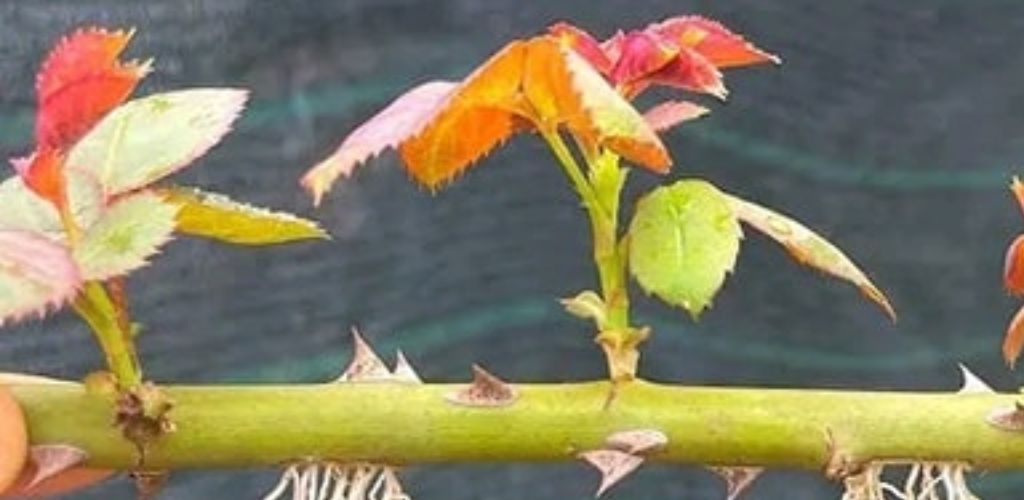
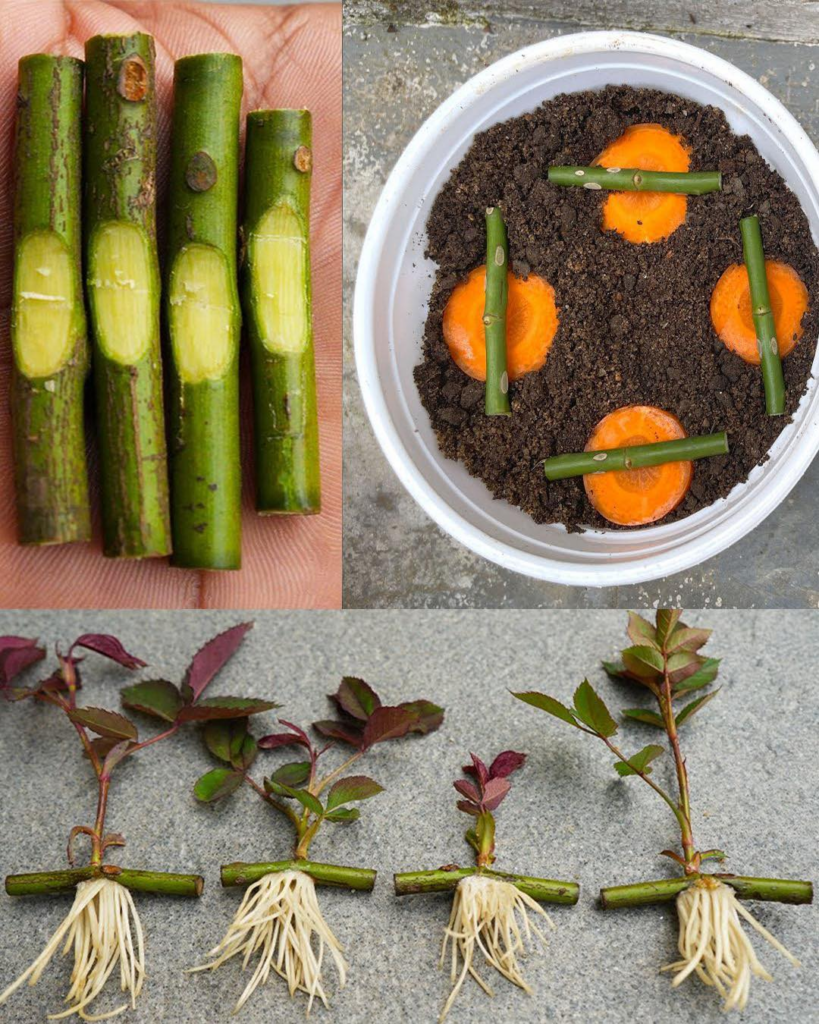
Roses are iconic symbols of beauty and elegance in gardens around the world. While the cultivation of roses from cuttings traditionally involves vertical planting, a less known but effective method involves horizontal planting. This technique has attracted attention for its ability to promote strong, resilient rose bushes. In this article we will explore the step-by-step process and benefits of planting rose cuttings horizontally.

Benefits of Horizontal Planting: Planting rose cuttings horizontally offers several advantages over traditional vertical methods. This technique, by placing the cuttings in the soil, favors the growth of a more extensive root system. As a result, the rose bush can absorb nutrients and moisture from the soil more efficiently, resulting in healthier, more robust plants. Additionally, horizontal planting can promote better stability and resilience to adverse weather conditions.
Step by step guide to planting rose cuttings horizontally:
1. Selection of healthy cuttings:
- Choose healthy stems from a mature rose bush. The cuttings should ideally be about 6-8 inches long and have at least three nodes (where the leaves emerge).
2. Prepare the cuttings:
- Cut the bottom of the cut just below a knot at a 45-degree angle.
- Remove any leaves from the lower two-thirds of the cutting.
3. Soil preparation:
- Prepare a well-draining soil mix with a combination of compost, perlite and garden soil.
4. Planting Process:
- Dig a trench in the prepared soil, making sure it is deep enough to accommodate the length of the cuttings.
- Lay the cuttings horizontally in the trench, making sure they are covered with at least an inch of soil.
- Space the cuttings several inches apart to allow ample room for root development.
5. Watering and care:
- Water the cuttings thoroughly after planting to stabilize the soil.
- Keep the soil consistently moist but not waterlogged.
- Mulch the area lightly to retain moisture and discourage weed growth.
6. Growth Monitoring:
- Over the next few weeks, monitor the cuttings for signs of new growth, which indicates successful rooting.
- Once established, gradually reduce watering frequency but continue to ensure adequate humidity.

Planting rose cuttings horizontally is a unique and effective method for growing sturdy, vigorous rose bushes. This approach improves root development, leading to healthier plants better equipped to withstand various environmental challenges. By following the steps above, gardeners can take advantage of the benefits of horizontal planting to grow lush, beautiful rose bushes in their gardens