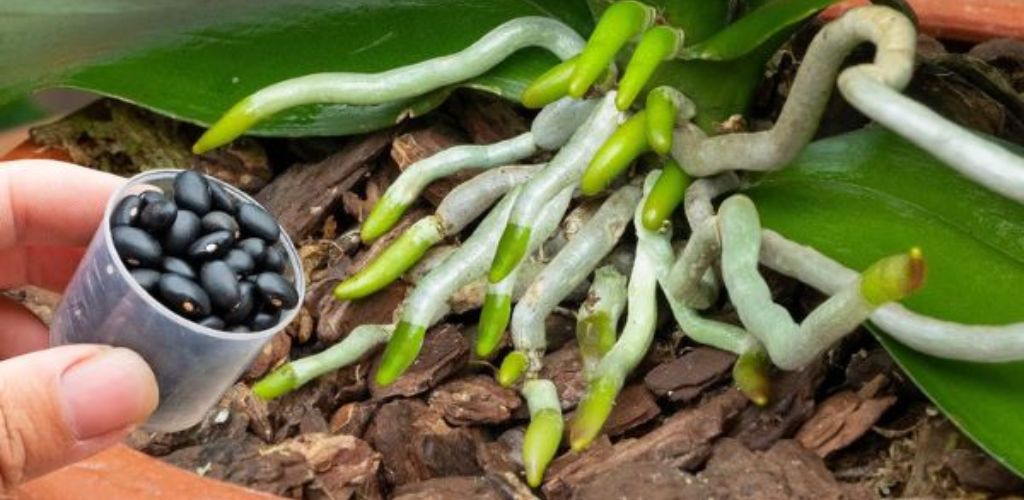
What few people know is that in their native habitats, orchids grow like weeds. Orchids are stunningly beautiful. They are fascinating in their fragrance and shape.
In this article we are going to share with you 5 foolproof steps to care for an orchid:
1.LIGHTING
Without adequate light, expect lush growth but no flowers. Insufficient light is the most common reason for flowering failure.
These plants thrive in strong light, but direct sunlight can burn orchids. It is advisable to offer them intense, indirect light, preferably towards the South. To know that the orchid is healthy, it should have bright green leaves.
2. AIR FLOW
Orchids also need fresh, circulating air. In the wild, gentle, continuous breezes are vital to their survival.
Tip: Open the windows in summer and use an oscillating fan in winter.
3. IRRIGATION
Most orchids die more from inadequate watering than from any other cause.
Orchids should be watered as they dry out. Overwatering can cause rot, which kills orchid roots.
To know when to water, lift the potted orchid and examine it: is the soil dry? Is the pot light? Are the fleshy roots white? If so, that means you probably need a drink.
In general, water plants early in the day with warm water once a week in winter and twice a week in warmer weather.
4. FERTILIZATION
As a general rule, fertilize orchids every 2 weeks during peak growth (spring and summer) and once a month during dormancy (fall and winter). Use a 30-10-10 fertilizer or orchid food, diluted by half.
5. LATENCY
Many orchids require a period of dormancy or rest, usually in winter. During this time, plants strengthen their root system, develop leaves, and store energy for their next growth and flowering. As a general rule, an orchid can rebloom every 8 to 12 months.