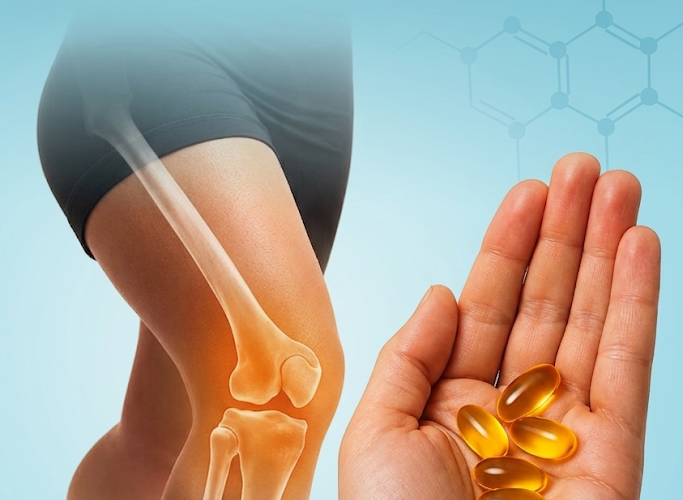
Persistent discomfort in the legs, joints and bones is usually interpreted as a result of fatigue or the passage of time. However, in many cases, this type of pain responds to a specific and silent cause: the lack of an essential nutrient in the body. Among all the micronutrients linked to bone and muscle health, there is one that stands out for its direct impact on the well-being of the musculoskeletal system: vitamin D.
The role of vitamin D in the body
Vitamin D is much more than just a nutrient. It acts as a hormone that regulates the absorption of calcium and phosphorus in the intestine, two essential minerals for keeping bones dense, resistant and functional. Without adequate levels of this vitamin, the body cannot properly take advantage of the calcium we eat, even if the diet is rich in dairy or green leafy vegetables.
In addition to its structural function, vitamin D is involved in processes related to muscle contraction, the balance of the immune system and the modulation of inflammatory processes. Therefore, its deficiency is associated not only with bone problems, but also with diffuse muscle pain and a feeling of general weakness.
Signs that could indicate deficiency
The body usually manifests a lack of vitamin D through symptoms that often go unnoticed or are attributed to other causes. Among the most frequent are:
- Diffuse bone pain, especially in the legs, hips, and lower back.
- Muscle weakness that makes it difficult to perform everyday tasks such as climbing stairs or getting up from a chair.
- Cramping and tingling in the lower extremities.
- Chronic fatigue with no apparent cause.
- Increased predisposition to fractures and early development of osteoporosis.
- Feeling heavy or tired in your legs at the end of the day.
When these symptoms occur recurrently, it is important to pay attention to them and consult a health professional.
Who is most at risk?
Although anyone can experience a deficiency, certain groups are more vulnerable. Older adults, those who spend most of the day indoors, people with dark skin (who require more sun exposure to synthesize the vitamin), those who live in areas with little sunlight, and those with restrictive diets or intestinal absorption problems are more likely to have low levels.
Conditions such as obesity, kidney or liver disease, and prolonged use of certain medications that interfere with your metabolism also play a role.
How to Confirm the Deficiency
The only accurate way to know if your levels are adequate is to have a blood test that measures the level of 25-hydroxyvitamin D. This test is simple and is usually included in general medical check-ups when the patient reports muscle pain or chronic fatigue. The values considered optimal vary according to the medical guideline used, but are generally above 30 ng/ml.
Strategies to improve vitamin D levels
Moderate sun exposure
The skin synthesizes vitamin D when it receives the sun’s UVB rays. An exposure of between 10 and 20 minutes a day on the arms, legs or face, several times a week, is usually enough to maintain adequate levels in healthy people. It is important to do it at safe times, avoiding the hours of greatest radiation, and without abusing it so as not to damage the skin.
Foods that provide vitamin D
While few foods contain significant amounts of this vitamin, incorporating a few into your regular diet can make a big difference:
- Fatty fish: salmon, sardines, mackerel, tuna and trout.
- Egg yolk, preferably from free-range hens.
- Cod liver oil, one of the most concentrated sources.
- Fortified dairy, such as milk, yogurt, and some cheeses.
- Mushrooms exposed to the sun, which synthesize vitamin D2 naturally.
- Fortified cereals and vegetable drinks, useful for vegetarian or vegan diets.
Supplementation under medical supervision
When the deficiency is severe or cannot be corrected with diet and sun alone, the doctor may prescribe supplements. Doses vary depending on age, weight, baseline blood level, and other individual conditions. Self-medication is not recommended, as too much vitamin D can also cause problems, such as calcium buildup in the kidneys or heart problems.
The importance of acting in time
Maintaining adequate levels of vitamin D not only prevents aches and pains, but also protects bone density in the long term, contributes to the proper functioning of the immune system and promotes cardiovascular health. If you experience recurring leg pain, muscle weakness, or unexplained tiredness, consider a full medical evaluation that includes this parameter.
Taking care of your body involves listening to its signals. A simple analysis and a few changes in daily habits can make a noticeable difference in quality of life and in the prevention of chronic diseases related to bone and muscle health.