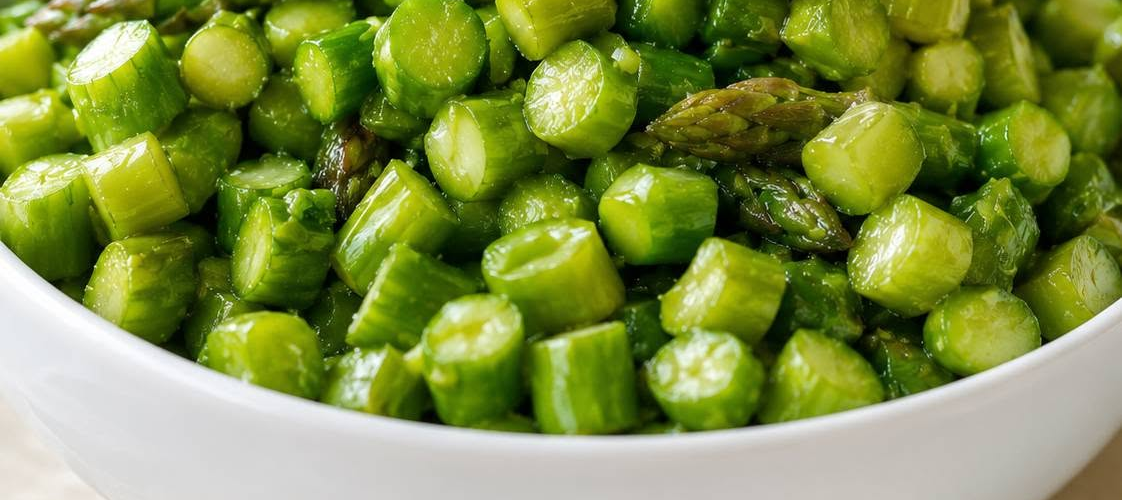
Asparagus is a typical vegetable of the spring season, whose availability usually extends from March to June, depending on the variety. They belong to the Liliaceae family and their generic scientific name is Asparagus. The most common cultivated species on the tables is Asparagus officinalis, while the wild variety, known as asparagus, corresponds to Asparagus acutifolius.
The edible part of this plant is the spear, that is, the tender shoot that emerges from the earth, composed of an elongated and firm stem, and a more delicate tip that constitutes the tastiest area.
Best known asparagus varieties
There are different varieties of asparagus, which differ mainly by their color and cultivation method:
- Green asparagus: it is the most popular and cultivated in much of the American continent. When it develops on the surface and receives direct sunlight, it produces chlorophyll, which gives it its intense green color and a slightly herbaceous flavor, with characteristic bitter notes.
- White asparagus: it grows underground, protected from sunlight, so it does not generate chlorophyll. Its pale hue, tender texture and softer, more delicate flavour make it highly appreciated in European cuisine, although in America it is usually found in specialised markets or gourmet restaurants.
- Purple asparagus: This is the least common variety, but it has gained popularity for its striking violet color and naturally sweeter flavor. Its smooth texture makes it ideal for consuming raw or with short cooking.
Nutritional properties and health benefits
From a nutritional point of view, asparagus is a highly recommended food within a varied and balanced diet. They are composed of 91% water and provide only about 33 kcal per 100 grams, which makes them a light option. In addition, they contain practically no fat or cholesterol, and offer an interesting amount of fiber.
Among the minerals they provide, potassium stands out, with about 260 mg per 100 grams, while vitamins include vitamin C, vitamin A, carotenoids and folates. This combination translates into multiple benefits:
- Diuretic and purifying action: they promote the elimination of fluids and collaborate with liver detoxification.
- Antioxidant effect: they help fight free radicals and protect cells.
- Cardiovascular health: they contribute to the proper functioning of blood circulation and can help regulate blood pressure.
- Intestinal support: its fiber content favors digestive transit.
- Reduced fluid retention: useful for combating cellulite and swelling.
- Recommended during pregnancy: folate (vitamin B9) is essential to prevent malformations in fetal development.
- Anti-stress effect: the magnesium, potassium and tryptophan they contain could help reduce anxiety and fatigue.
Contraindications and side effects
Although asparagus does not present serious contraindications, it is worth taking into account some considerations. As it is a vegetable with a marked diuretic effect, its consumption could enhance the action of certain medications with the same purpose, so caution is recommended in these cases.
On the other hand, the fiber they contain, although beneficial, can cause digestive discomfort in sensitive people, such as abdominal bloating, gas or colic. Also, as it belongs to the Liliaceae family – like garlic, onion and leek – those who have an allergy to these foods could also have reactions to asparagus.
Why does asparagus alter the smell of urine?
A curious phenomenon, with no health consequences, is the characteristic smell that urine acquires after consuming asparagus. Although science has been investigating it since the nineteenth century, there is still no definitive explanation. The origin is thought to be in the metabolization of aspargic acid, a molecule with two sulfur atoms. Interestingly, not all people produce this smell nor are they all able to perceive it, due to genetic factors.
Uses of asparagus in cooking
The consumption of asparagus dates back to the time of the Sumerians. After losing popularity during the Middle Ages, where it was used for medicinal purposes, it made a strong comeback in seventeenth-century France, where it was particularly appreciated by the court of Louis XIV.
Today, asparagus is a very versatile ingredient, which adapts to both classic preparations and creative proposals. To get the most out of it, it is essential to choose a fresh product:
- The stem should be firm and stiff, never soft.
- The tips should be kept closed and intact.
- The color should be vivid and bright, not opaque.
When preparing them, the ideal is to remove the toughest lower part of the stem. A simple technique is to fold the asparagus with your hands: it will naturally break at the exact point where the tender and edible portion begins. From there, they can be steamed, boiled, sautéed, roasted or au gratin, and incorporated into risottos, omelettes, salads, pastas, creams and garnishes of all kinds.