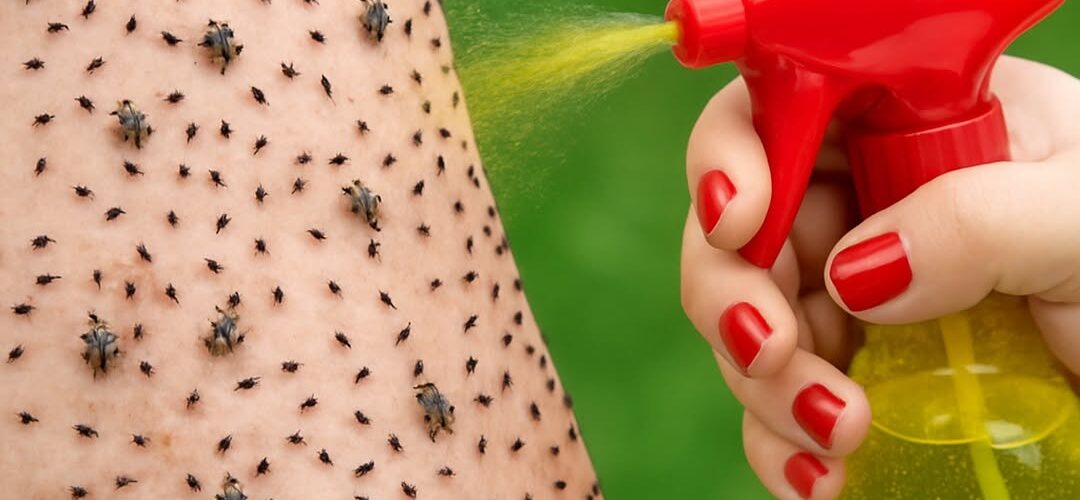
Fleas and ticks are two of the most common external parasites affecting dogs, cats, and other pets. Beyond visible discomforts, such as constant scratching or skin irritations, these insects can transmit serious diseases to both animals and humans. Therefore, knowing the correct methods to eliminate them and prevent their return is essential for anyone who lives with pets.
Why fleas and ticks are a serious problem
Although they may seem harmless at first glance, these pests can have significant consequences for the health of animals. Fleas feed on blood and can lead to anemia, especially in puppies or small kittens. In addition, they are responsible for flea bite allergic dermatitis (DAPP), one of the most common dermatological conditions in pets.
Ticks, on the other hand, are vectors of serious diseases such as ehrlichiosis, babesiosis and Lyme disease. Some of these pathologies can be fatal if not detected in time and also affect people, so their control is a public health issue.
Effective Methods to Remove Fleas and Ticks
There are different alternatives to combat these parasites, ranging from professional veterinary products to complementary solutions for home use. Ideally, you should combine several strategies to achieve complete elimination.
Recommended veterinary products
- Antiparasitic pipettes: These are applied directly to the skin, usually on the back of the neck, and offer protection for several weeks.
- Flea and tick collars: They release active substances gradually and can provide protection for several months.
- Oral tablets: they act from inside the animal’s body, eliminating parasites when they bite.
- Specific shampoos: useful for bathing and immediate elimination of adult fleas, although their effect is usually short-lived.
- Antiparasitic sprays: they are applied to the coat and offer fast action.
Before using any of these products, it is essential to consult with a veterinarian, as each animal has particular needs according to its weight, age, species and state of health.
Cleaning the environment
Removing parasites from the animal alone is not enough. Fleas can lay hundreds of eggs in carpets, beds, armchairs, and corners of the home. For this reason, a deep cleaning of the environment is key to avoid re-infestations.
- Vacuum carpets, rugs and upholstered furniture daily.
- Wash pet beds, blankets, and toys in hot water.
- Disinfect floors with animal-safe products.
- Keep the garden or patio free of weeds, since ticks usually live in areas with tall grass.
How to Prevent Fleas and Ticks from Coming Back
Prevention is the best tool to keep pets and the home free of parasites. Once the initial treatment has been carried out, it is advisable to implement a constant routine that combines care for the animal and the environment.
Monthly prevention routine
- Apply antiparasitic pipettes, collars or tablets as directed by the veterinarian.
- Check the animal’s coat regularly, especially after walks in green areas.
- Brush the pet with special combs to detect fleas or eggs.
- Maintain constant hygiene at home.
Care in hot weather
During spring and summer, fleas and ticks reproduce more quickly due to warm temperatures and humidity. At these times it is recommended to reinforce prevention measures, avoid contact with stray animals and check the animal more frequently.
Common mistakes to avoid
Many guardians make mistakes when trying to treat their pets on their own, which can make the situation worse or put the animal’s health at risk. Some of the most frequent are:
- Use dog products on cats, as certain substances are toxic to felines.
- Applying home remedies without veterinary backing, such as vinegar, garlic or essential oils in inappropriate doses.
- Treat only the animal and not the environment, which favors re-infestation.
- Discontinue preventive treatment during the winter, when some parasites are still active indoors.
When to see a vet
If the pet has excessive scratching, hair loss, skin wounds, decay, lack of appetite or any other unusual symptoms, it is best to go to the veterinarian immediately. An early diagnosis allows the appropriate treatment to be applied and major complications to be avoided. In addition, the professional will be able to recommend a personalized prevention calendar according to the characteristics and lifestyle of the animal.
Keeping pets flea and tick-free not only improves their quality of life, but also protects the whole family. With consistency, the right products and good hygiene habits, it is possible to achieve a safe and healthy environment for everyone.