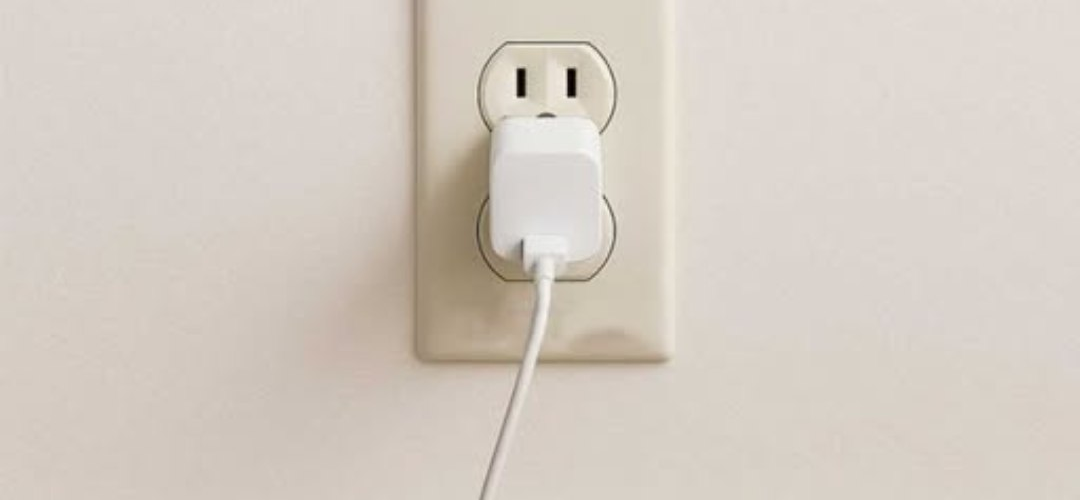
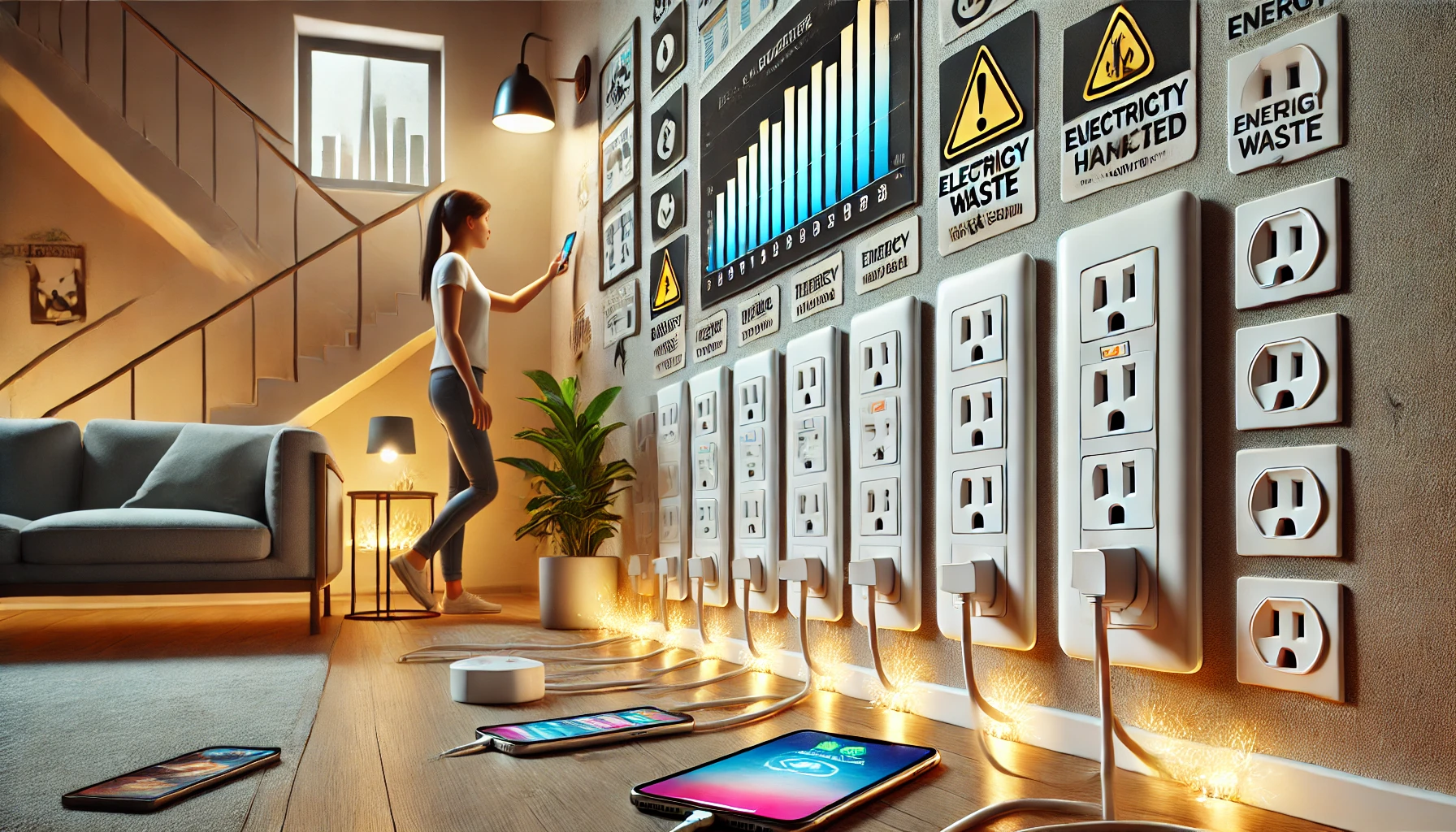
On a day-to-day basis, we plug chargers into every corner: in the kitchen, in the bedroom, in the office. But there’s a fairly common habit that many overlook: leaving chargers plugged in even if they’re not charging anything. Although it may seem harmless, this habit can bring several problems ranging from unnecessary spending to security risks. In this article we tell you why it should be avoided, how it affects you and what you can do about it.
1. They consume energy even if they are not charging
When the charger is plugged in but no device is connected, it continues to consume electricity. This consumption is known as “phantom charging”. In a home with multiple chargers, the cumulative expense can be much more than you might imagine. If you multiply it by millions of homes, the impact on the electricity grid and the environment is very large.
2. They can overheat and cause fires
Chargers are designed to operate safely, but if left plugged in for long periods, especially if they are of poor quality or damaged, they can overheat. This increases the risk of sparks, short circuits or even fires, especially in old or overloaded electrical installations.
3. They increase your electricity bill
Although each charger consumes little separately, if you have several plugged in throughout the day, every day, that translates into a difference in the bill. If you also add other appliances that also have phantom load, the total expense can be considerable.
4. Shorten charger life
Being connected without need means that the charger is receiving power all the time, which generates internal wear and tear on its components. This reduces its efficiency, can cause it to stop working early, and in the long run, forces you to spend more by buying another one.
5. They increase your carbon footprint
Using energy unnecessarily also implies an environmental impact. If the electricity you consume comes from non-renewable sources, you are contributing to polluting emissions. Although it sounds exaggerated, a simple gesture such as unplugging the charger can help reduce that impact if we do it together.
6. They may be vulnerable to digital attacks
Some modern chargers with smart features are connected to networks. If they are always plugged in, they could be a gateway for unauthorized access or vulnerabilities. It is not common, but it is not impossible either.
What you can do
- Unplug chargers as soon as you stop using them.
- Use power strips with a switch to easily cut off the power.
- Choose original or certified chargers. Avoid those of poor quality or unknown brands.
- Check them from time to time: if they get hotter than normal, make noises or have loose parts, stop using them.
- Keep them in dry, ventilated places and away from flammable objects.
- Consider using smart plugs or timers to automatically turn off the power when you’re away.
Facts that make you think
- A single charger can consume up to half a watt per hour without charging anything.
- In a year, multiple connected chargers can waste the same energy as one LED lamp lit for months.
- In many countries, up to 10 percent of residential electricity consumption comes from standby devices.
Conclusion
Unplugging a charger is one of those simple actions that costs nothing but adds up to a lot. You improve the security of your home, take care of the environment, save on the electricity bill and make your devices last longer. Changing this habit is easy and worth it.