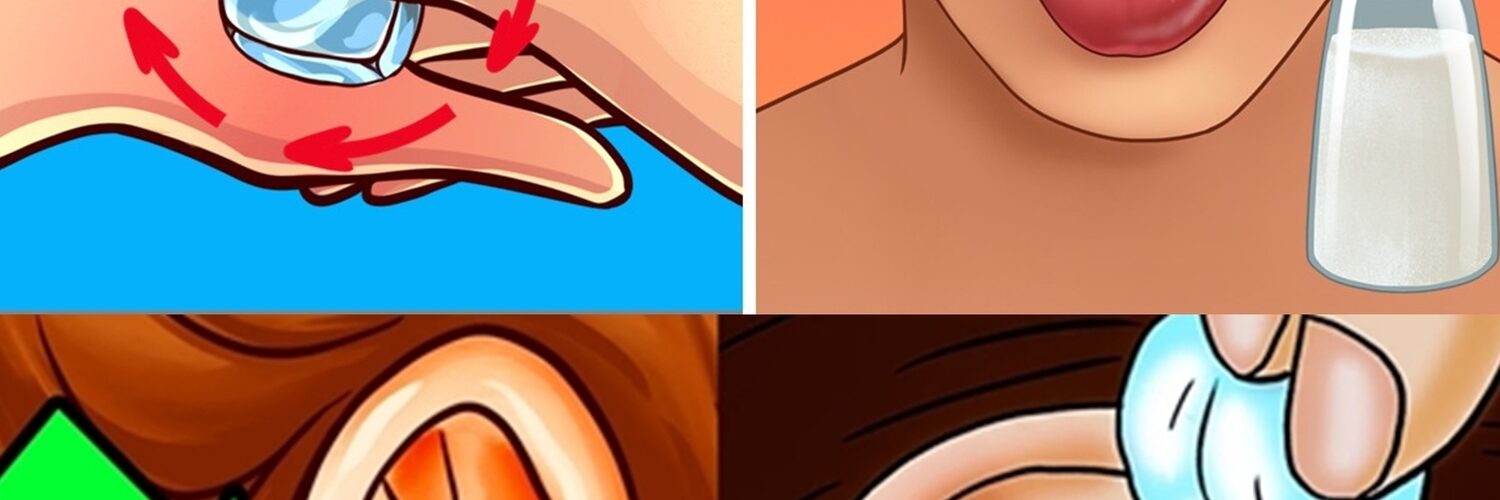
Stress and pain are two of the most common issues people face in today’s fast-paced world. Whether it’s due to work, personal life, or even physical ailments, stress and pain can significantly affect your health, mood, and overall quality of life. While it’s impossible to avoid stress completely, there are simple, effective strategies you can use to manage and relieve both stress and pain quickly and easily. Here are eight things you can do right now to feel better:
1. Deep Breathing Exercises
One of the simplest and quickest ways to reduce both stress and pain is through deep breathing. This technique is incredibly effective because it activates the body’s parasympathetic nervous system, helping you to relax and reduce the fight-or-flight response that often accompanies stress.
How to do it:
- Sit or lie down in a comfortable position.
- Close your eyes and take a slow, deep breath in through your nose for 4 counts.
- Hold the breath for 4 counts, then exhale slowly through your mouth for 4 counts.
- Repeat for 5-10 minutes until you feel calmer and more centered.
2. Progressive Muscle Relaxation (PMR)
Progressive Muscle Relaxation is a technique where you tense and then slowly release different muscle groups in your body. It helps release built-up tension and can quickly alleviate both mental and physical stress.
How to do it:
- Begin with your feet and work your way up to your head.
- Tense each muscle group for about 5 seconds, then relax for 20-30 seconds.
- Focus on the contrast between tension and relaxation to help your body and mind release stress.
3. Massage Therapy
Whether it’s a professional massage or a DIY technique, massaging your muscles can significantly reduce pain and relieve stress. Massages help increase blood flow, reduce tension, and promote the release of endorphins – the body’s natural painkillers.
How to do it:
- Use gentle circular motions to massage sore or tense areas like the shoulders, neck, lower back, or hands.
- If you don’t have access to a professional, you can use a foam roller or massage ball to target tight areas.
4. Mindfulness Meditation
Mindfulness meditation focuses on bringing your attention to the present moment. By doing this, you can detach from the stressors and anxieties in your life, helping reduce mental and physical discomfort.
How to do it:
- Sit in a comfortable position and focus on your breath.
- Allow your thoughts to come and go without judgment, simply noticing them and returning to your breath.
- Practice for 10-20 minutes daily, and you’ll start noticing a significant reduction in stress and pain over time.
5. Exercise
Exercise is one of the most effective ways to relieve both stress and pain. Physical activity releases endorphins and helps distract the mind from pain. Whether it’s a quick walk, a session of yoga, or a more intense workout, exercise is a powerful tool for improving mood and managing discomfort.
How to do it:
- Engage in moderate activities like walking, cycling, or swimming.
- Try yoga or stretching exercises to release physical tension.
- Exercise for at least 20-30 minutes to reap the full benefits.
6. Hot or Cold Compresses
Both hot and cold compresses are simple and effective ways to manage pain. Heat helps relax tense muscles and increase blood flow, while cold therapy can numb areas of pain and reduce inflammation.
How to do it:
- Apply a warm compress (a hot water bottle or heating pad) to stiff or painful areas for 15-20 minutes.
- Alternatively, use a cold compress (a bag of ice wrapped in a cloth) to reduce inflammation or numb an area of pain for 10-15 minutes.
7. Herbal Remedies and Supplements
Certain herbs and supplements have been proven to help reduce stress and alleviate pain. Herbs like chamomile, lavender, and valerian root are known for their calming properties, while turmeric, ginger, and willow bark can help manage inflammation and pain.
How to do it:
- Drink chamomile or peppermint tea to relax your mind and ease stress.
- Consider taking turmeric or ginger supplements to fight pain and inflammation, but always consult with a healthcare provider first to ensure they are right for you.
8. Aromatherapy
Aromatherapy uses essential oils to promote healing and relaxation. Scents like lavender, eucalyptus, and sandalwood have calming effects that can reduce stress, anxiety, and even physical pain. You can use aromatherapy through diffusers, baths, or simply by inhaling the aroma.
How to do it:
- Use an essential oil diffuser in your room with calming oils like lavender or eucalyptus.
- Add a few drops of essential oil to your bath or apply diluted oil to pressure points (e.g., temples, wrists, or neck).
- Simply inhaling the scent can help you relax and relieve stress.
Final Thoughts
By incorporating these eight strategies into your daily routine, you can quickly and effectively reduce stress and pain. Whether it’s through deep breathing, physical activity, or natural remedies, you have the power to take control of your well-being. Remember, it’s important to listen to your body and take the time to care for yourself. Regular use of these techniques can help improve your long-term health and happiness.
If you found these tips helpful, please share this post with your friends and family! Don’t forget to like our page for more tips on living a stress-free, pain-free life. Stay healthy, stay happy!