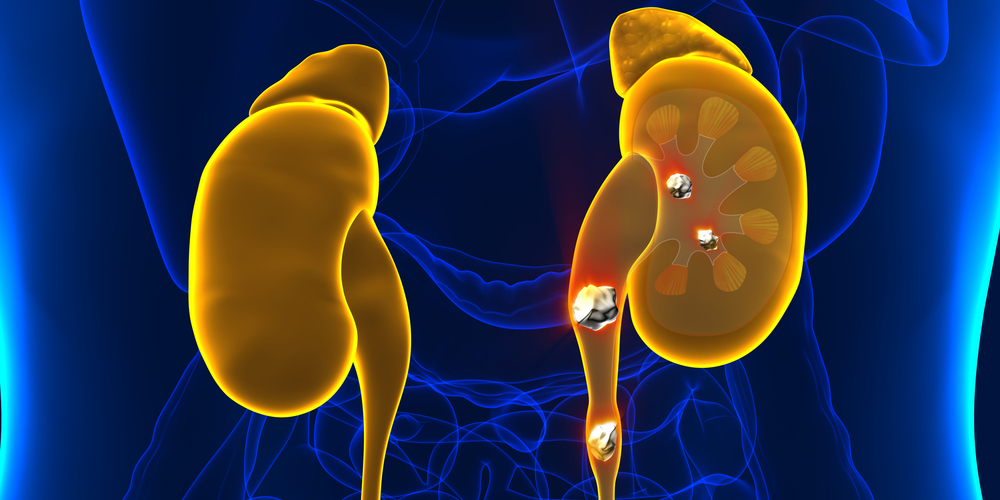
How can we protect ourselves from kidney stones? Kidney stones are solid mineral deposits that form inside the kidneys, and cause severe pain when they pass through the urinary tract.Once you have kidney stones, you are 50 percent likely to get another stone within the next ten years.There is no sure way to prevent kidney stones, especially if you have a family history of the condition. But a range of changes in diet and lifestyle, as well as some medications, may help reduce the risk of kidney stones, and the best ways to prevent kidney stones from forming are to drink enough water and stay hydrated, eat less sodium, eat less animal protein and other ways that we will learn about in this article.
Who are the most vulnerable people to the formation of kidney stones:
- People with obesity or diabetes when you are overweight, tend to get kidney stones more than others.
- People with gout This painful condition occurs when uric acid builds up in your blood. This makes crystals form in the joints or kidneys .
- People who have had intestinal surgery. If you’ve had certain types of gastrointestinal surgery or other bowel surgery, your risk of kidney stones may be high.
- People with some kidney disease such as polycystic kidney disease, where clusters of cysts grow in the kidneys.
- Middle-aged men are more likely to develop kidney stones, although it can happen to people of any age or gender.
Things to watch out for:
- Even if you’re healthy, your diet may encourage kidney stones to grow. One of the most important reasons is that you don’t drink enough water. This means less urination, which gives the stones more chances of formation.
- Oxalate. These are organic compounds found in a number of foods, including healthy foods such as spinach and sweet potatoes. But oxalates also bind easily to certain minerals, including calcium, which help in the formation of kidney stones.
- salt (specifically, sodium). Too much sodium, which you get mainly through salt, means more calcium in your urine. Which increases the likelihood of kidney stones
- Animal protein. Too many steaks, chicken, eggs and seafood can increase calcium and uric acid in your body. This is another reason for the formation of kidney stones.
The best ways to prevent the formation of kidney stones:
1. Drink enough water:
Drinking more water is the best way to prevent kidney stones from forming. If you do not drink enough, the amount of urine will be low. Lower urine intake means that urine is more concentrated and less likely to dissolve urine salts that cause stones.
Try to drink about eight glasses of fluid a day, or enough to pass two liters of urine. If you exercise or sweat a lot, or if you have a history of cysteine stones, you will need additional fluids.You can tell if you are hydrated by looking at the color of your urine – it should be pale yellow. If it is a dark nail color then you need to drink more. You can have lemon juice and orange juice are also good options. Both contain jackets, which may prevent stones from forming.
2. Eat less sodium:
A high-salt diet increases the risk of calcium kidney stones. According to the Urological Care Foundation, too much salt in the urine prevents the reabsorption of calcium from the urine into the blood. This causes high calcium in the urine, which can lead to kidney stones. Eating less salt helps keep calcium levels in the urine lower. The lower the level of calcium in the urine, the lower the risk of kidney stones. And to reduce sodium consumption, read food labels carefully.
3. Eat less oxalate-rich foods:
Some kidney stones are made from oxalate, a natural compound found in foods that bind calcium in the urine to form kidney stones. Limiting oxalate-rich foods may help prevent stone formation. Foods rich in oxalate include spinach, chocolate, sweet potatoes, coffee, beets, peanuts, soy products, wheat bran.
Oxalate and calcium bind together in the digestive tract before reaching the kidneys, so it is difficult for stones to form if you eat foods high in oxalate and foods rich in calcium at the same time.
4. Eat less animal protein:
Foods rich in animal protein are acidic and may increase uric acid. High uric acid may cause kidney stones, so you should try to limit or avoid eating large amounts of beef, poultry, fish and eating foods in small quantities.
5. Avoid vitamin C supplements :
Vitamin C supplements (ascorbic acid) may cause kidney stones to form, especially in men. According to a 2013 study, men who took high doses of vitamin C supplements had an increased risk of kidney stone formation. Note Researchers don’t believe that vitamin C from food carries the same risks.
There are some medications that, when taken for a long time, increase the risk of kidney stones, decongestants, diuretics, chemotherapy drugs. If you are taking any of these medications, talk to your doctor about other medication options. You should not stop taking any prescription medications without your doctor’s approval
6. Talkto your doctor about preventive medications:
If you are prone to certain types of kidney stones, certain medications can help control the amount of that substance in your urine. The type of medication prescribed depends on the type of stones you usually get, for example:
- If you are getting calcium stones, it may be helpful to use diuretics or phosphate.
- If you have uric acid stones, allopurinol (xyloprim) can help reduce uric acid in your blood or urine.
- If you have Strovit stones, you may use long-term antibiotics to help reduce the amount of bacteria in your urine.
- If you have cysteine stones, capotin (captopril) may help reduce the level of cysteine in your urine.
Important information that may help you prevent kidney stones:
- In some cases, switching your food choices may not be enough to prevent kidney stones from forming. If you have frequent stones, talk to your doctor about the role medication can play in your prevention plan. Talk to your doctor about the medications you’re currently taking.
- And if you have a condition that increases your risk of kidney stones, such as inflammatory bowel disease, persistent urinary tract infection, or obesity, talk to your doctor about ways to manage them to reduce the risk of kidney stones.
- If you’ve had a kidney stone before, ask your doctor for tests. Once you know what type of stone you have, you can take targeted steps to prevent the formation of new stones.