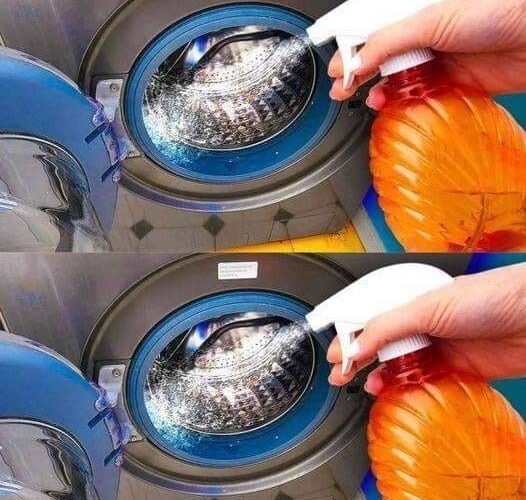
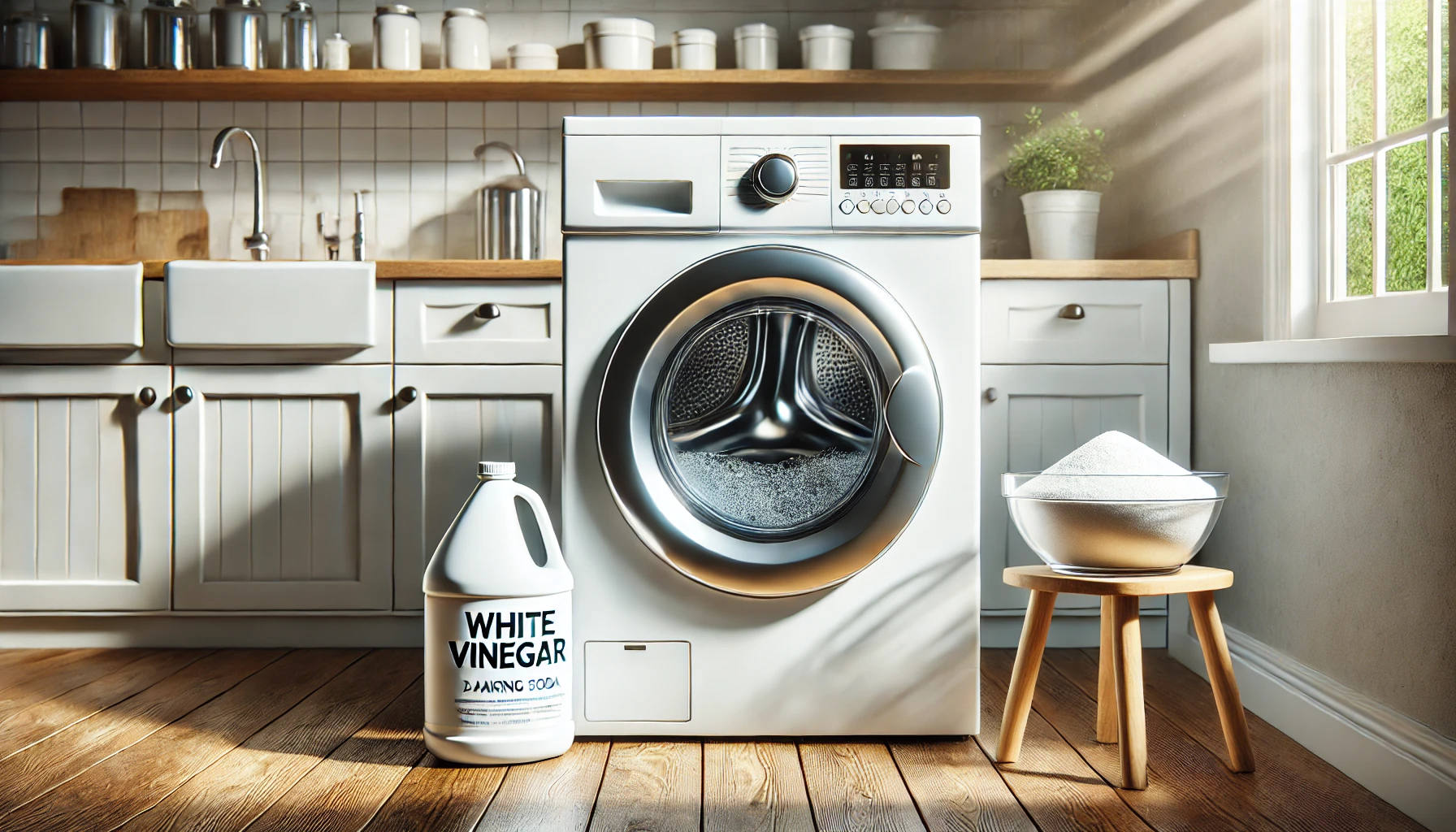
With frequent use, the washing machine can accumulate detergent residues, fabric softener, moisture and even bacteria that generate an unpleasant odor. Fortunately, there is a simple, inexpensive, and effective solution that you can find in your own kitchen: white vinegar.
This natural product not only neutralizes odors, but also disinfects, removes limescale and cleans thoroughly. Here’s how to use it correctly and what other steps you can take to keep your washing machine always fresh and in tip-top condition.
Cleaning the drum with white vinegar
The drum is the heart of the washing machine, and when it is affected by accumulated debris, it becomes a source of bad odors. White vinegar is a powerful natural cleaner thanks to its acetic acid content, capable of eliminating fungi, bacteria and mineral residues.
How to do it:
- Make sure the drum is empty.
- Pour half a cup (or even a full cup for heavily soiled washing machines) of white vinegar directly into the detergent drawer or drum.
- Select a long wash cycle with hot water (ideally 60°C or higher).
- Once the cycle is finished, leave the door open to ventilate and dry completely.
This process can be repeated once a month to prevent the formation of lingering odors.
Cleaning the door rubber
The rubber (or gasket) of the door is constantly in contact with soap and water, making it an environment conducive to the formation of black mold and smelly bacteria. Cleaning it regularly is essential to avoid contamination and bad odors.
Recommended steps:
- Mix a 50% solution of water and white vinegar (you can also add a few drops of lemon to enhance the deodorizing effect).
- Using an old cloth or toothbrush, scrub the rubber thoroughly, especially in the creases where dirt accumulates.
- If you notice stubborn mold, you can apply baking soda before rubbing.
- Dry with a clean cloth and leave the door open after each wash.
Cleaning the soap drawer
The drawer is often forgotten, but traces of detergent, fabric softener and moisture accumulate in it. This favors the proliferation of bacteria that produce bad odor.
How to clean it properly:
- Remove the drawer (consult the manual if you don’t know how to disassemble it).
- Let it soak for 15-20 minutes in hot water with a splash of white vinegar.
- Scrub with a brush to remove any stuck-on debris.
- Dry it thoroughly before putting it back in place.
Cleaning the filter
The washer filter catches small objects, lint and solid debris. If not cleaned regularly, it can lead to a foul odor and clog water drainage.
Steps to clean the filter:
- Disconnect the washing machine and locate the filter (usually at the bottom front).
- Place a towel or container underneath to catch any water that may come out.
- Remove the filter and wipe off all the debris under the tap.
- Make sure to put it back in correctly.
Additional tips for keeping an odor-free washing machine:
- Add baking soda with each wash: A tablespoon along with the detergent improves cleaning, neutralizes odors and softens the water.
- Avoid excess detergent: Using too much detergent creates buildup in the drum and ducts, which promotes odor and damages the system.
- Do not close the door when washing at the end of washing: Keeping the door ajar allows internal moisture to evaporate, reducing the risk of mold.
- Dry compartments and joints after each use: A quick wipe with a dry cloth can prevent moisture from accumulating.
With these practices, your washing machine will work like new and your clothes will always come out smelling fresh and clean!