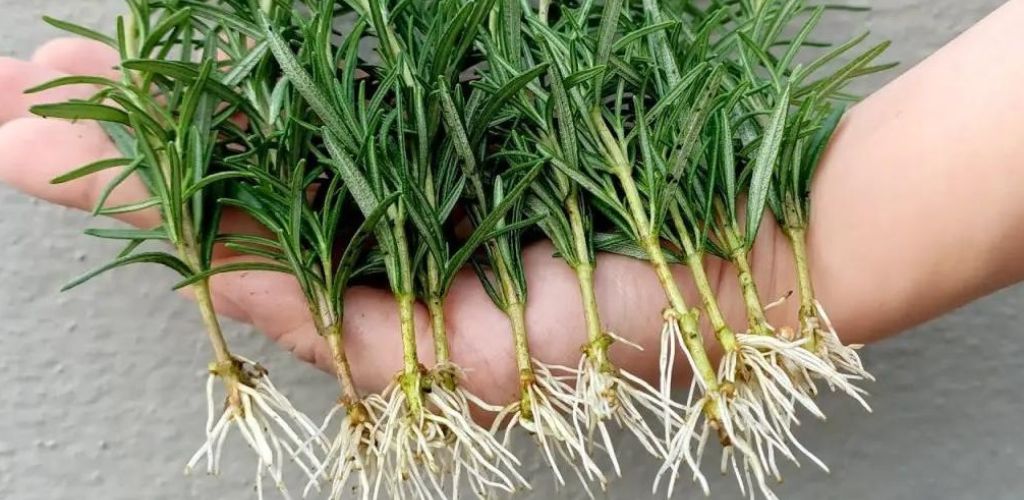
Rosemary is one of the aromatic plants most used in cooking . Being a fundamental ingredient in countless preparations, it can be more than convenient to always have a very leafy rosemary plant on hand on our balcony.
This plant is very resistant, it adapts perfectly to growing in pots and, by following some tips, it can last for years and years without special care. In this article we explain how to do it.
Rosemary is a typical plant of the Mediterranean area, so we should not have any special problem adapting it to our balcony. The plant has been used in cooking for centuries, but it also has numerous therapeutic properties and that is why it was also used in traditional medicine.
As soon as you buy the seedling
If you have just purchased a seedling, immediately transfer it to a larger pot and place it in a sunny location – rosemary loves sunlight.
Rosemary does not need particular humidity conditions, since it is a plant that adapts well to dry environments. Unlike other houseplants, it does not need to be constantly moistened to prevent the leaves from drying out.
Topsoil Layer
Rosemary adapts well to any type of soil, has good roots and even grows on stony soils. Use any soil that is low in salts (which slow plant growth).
Be sure to give the plant good drainage, through holes in the bottom of the pot and gravel in the bottom of the potting soil. Rosemary suffers greatly from water stagnation.
Irrigation
Remember that it is not necessary to water rosemary frequently. Overwatering can damage the plant, so water only when you notice the potting soil is dry. To do this, don’t just look at the surface of the soil: try inserting your finger and observing the humidity level about 4-5 centimeters deep and water only if it is really dry.
In the cold months, one watering a week is enough, while in summer even two can be fine.