
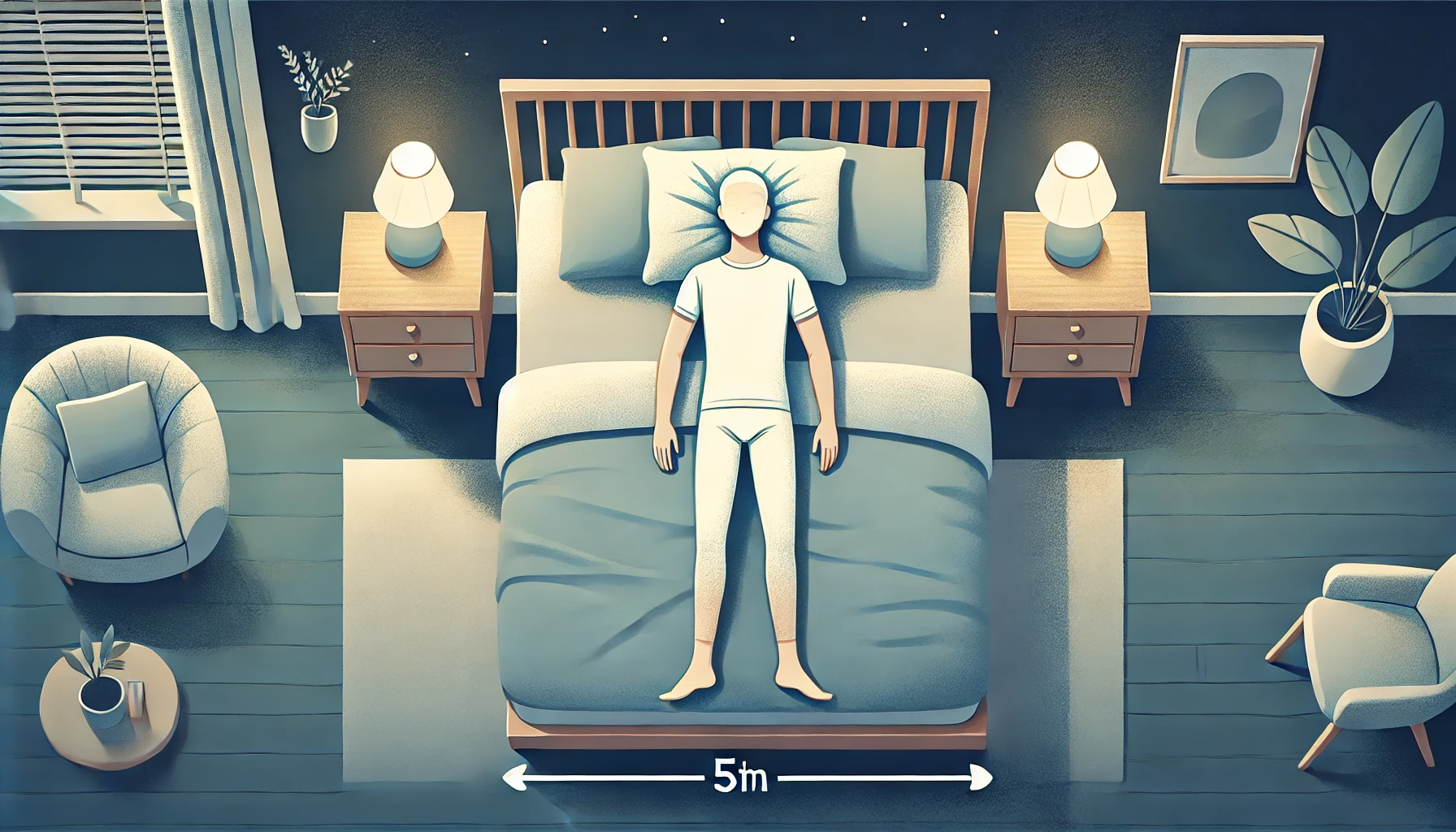
The posture we adopt when sleeping significantly influences our health and well-being. Although sleeping on your side is common, it is essential to consider its potential negative effects and explore more beneficial alternatives.
Here is all the information we need for our well-being.
Impact of sleeping on your side
- Spinal misalignment: Sleeping on your side, especially in hunched positions, can misalign the spine, putting uneven pressure on the intervertebral discs. This can lead to neck and back pain, especially if the mattress and pillow do not provide adequate support.
- Appearance of wrinkles and sagging: Constant contact of one side of the face with the pillow can accelerate the formation of wrinkles and contribute to the loss of skin elasticity, favoring facial sagging.
- Breathing and digestive problems: Sleeping on your right side can compress your lungs and affect breathing. In addition, this position can promote gastric reflux due to the arrangement of the stomach and esophagus, facilitating the rise of gastric acids.
- Pressure on internal organs: When sleeping on your side, organs such as the liver and lungs can be put under extra pressure, which could make it difficult for them to function properly in the long term.
Recommendations for optimal sleeping posture
- Sleeping on your back: This position helps keep your spine aligned and reduces pressure on your joints. To improve comfort and support:
- Use a medium-firm pillow that keeps your head in line with your neck.
- Place a pillow under your knees to maintain the natural curvature of your lower back and reduce lower back strain.
- Sleep on your side with adjustments: If you prefer to sleep on your side, consider the following accommodations to minimize potential negative effects:
- Use a firm, thick pillow that keeps your head and neck in line with your spine.
- Place a pillow between your legs to keep your hips aligned and reduce pressure on your lower back.
- Avoid sleeping on your stomach: This position can increase pressure on your spine and force your neck into uncomfortable rotation, which could lead to aches and pains.
Additional tips to improve sleep quality:
- Maintain a regular sleep routine: Going to bed and waking up at the same time every day helps regulate the biological clock and improves the quality of rest.
- Create a conducive sleep environment: Make sure your bedroom is dark, quiet, and has a comfortable temperature. Consider wearing eye masks and earplugs if necessary.
- Limit the use of electronic devices before sleeping: Exposure to blue light from screens can interfere with melatonin production, making it difficult to start sleep.
- Perform relaxation exercises: Practicing techniques such as deep breathing or yoga can help reduce stress and prepare the body for a restful night’s sleep.
Adopting a proper sleeping posture and following these tips can significantly contribute to improving sleep quality and, consequently, overall health.