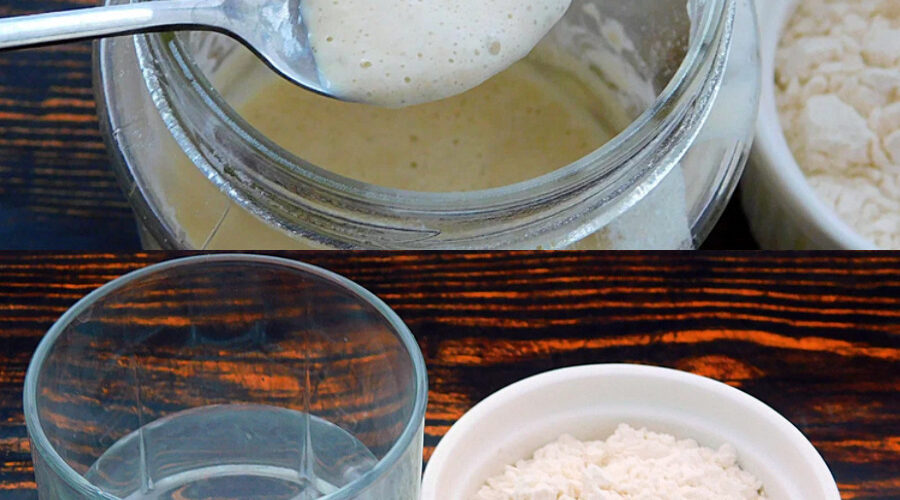
Are you tired of using commercial yeast in your bread recipes? Do you crave a more natural and flavorful way to bake your own bread at home? Well, look no further! The solution is right in front of you: homemade “eternal sourdough.”
This delightful and healthy alternative to store-bought yeast gives your bread a unique taste and texture, while also providing numerous health benefits. The best part? You don’t need to worry about yeast or store-bought leavening agents anymore. The “eternal sourdough” starter can live indefinitely with proper care, giving you a continuous supply of naturally fermented leavening for all your baking needs.
What is “Eternal Sourdough”?
“Eternal sourdough” is essentially a living culture of wild yeast and beneficial bacteria that you create from scratch using only flour and water. Unlike store-bought yeast, which is a single-strain organism, sourdough is a mix of different wild yeast strains and lactic acid bacteria. These organisms ferment the dough, producing carbon dioxide to help it rise. The natural fermentation process also gives the bread its distinctive tangy flavor and complex aroma.
The term “eternal” refers to the fact that this sourdough starter can be kept alive indefinitely with proper feeding and care. It becomes a part of your kitchen, passed down and maintained for generations. Imagine baking bread with a starter that’s been around for years – a real piece of history in every loaf.
The Benefits of Using Sourdough Over Yeast
- Healthier Digestion
Sourdough is a natural probiotic, which means it contains beneficial bacteria that support gut health. The fermentation process breaks down phytic acid and gluten, making sourdough bread easier to digest than bread made with commercial yeast. It also has a lower glycemic index, making it a better choice for blood sugar control. - Rich, Complex Flavor
One of the biggest advantages of using sourdough is the depth of flavor it imparts. The long fermentation time allows the wild yeast and bacteria to develop complex, slightly tangy flavors that you simply can’t get with quick-rise, yeast-based bread. Each loaf has a unique taste, influenced by your starter’s environment, the flour you use, and the length of fermentation. - No Need for Store-Bought Yeast
With an eternal sourdough starter, you no longer have to buy yeast for every batch of bread. Once your starter is established, you can keep it going indefinitely with regular feedings of flour and water. This not only saves money, but it also ensures that you’re using a natural, unprocessed leavening agent in all of your baking. - Fewer Additives
Most commercial yeasts and breads contain additives and preservatives to extend shelf life and speed up the fermentation process. Sourdough, on the other hand, is made from just two ingredients (flour and water) along with time, making it a cleaner, more natural product.
How to Make Your Own “Eternal Sourdough” Starter
Creating your own eternal sourdough starter is easier than you might think, and it requires very few ingredients. Here’s a simple guide to get you started:
Ingredients:
- Whole wheat flour (for the initial fermentation)
- Water (preferably filtered or non-chlorinated)
- A glass jar
Instructions:
Day 1: Start the Culture
In a clean glass jar, mix 100 grams (about 1/2 cup) of whole wheat flour with 100 ml (about 1/2 cup) of water. Stir well, making sure all the flour is hydrated. Cover the jar loosely with a lid or a cloth to allow air to flow in. Leave it in a warm spot (around 75°F or 24°C) for 24 hours.
Day 2-5: Feed and Observe
For the next 4 days, feed your starter once a day. Discard half of the mixture (about 1/2 cup), and add 100 grams (1/2 cup) of white or whole wheat flour and 100 ml (1/2 cup) of water. Stir and cover loosely. As the days pass, you should begin to notice small bubbles forming on the surface and the mixture should begin to smell slightly sour. This is a good sign that the natural yeasts are developing.
Day 6 and Beyond: Ready to Use
By the sixth day, your sourdough starter should be bubbly, have a tangy smell, and double in size within a few hours of feeding. At this point, it’s ready to use for baking! If it’s not quite there yet, continue to feed it daily for a few more days until it’s strong and active.
Maintaining the Eternal Starter
Once your sourdough starter is ready, you can continue to feed it once a day if you’re baking frequently, or once a week if you’re storing it in the fridge. To keep your starter “eternal,” make sure to feed it regularly with equal parts flour and water. If you take good care of it, your starter can last for generations.
How to Bake with Your Sourdough Starter
Now that you’ve got your eternal sourdough starter ready, you can use it to bake a variety of delicious, naturally leavened breads. To make a simple sourdough bread, you’ll typically need the following:
- 500 grams of flour (you can use a mix of white, whole wheat, or rye flour)
- 100 grams of active sourdough starter
- 300 ml of water
- 10 grams of salt
Combine all the ingredients and knead the dough for 10 minutes. Let it rise for several hours (or overnight in the fridge), and then bake at a high temperature for a crispy, golden loaf. The unique flavor from the sourdough starter will shine through in every bite.
Why You Should Give Sourdough a Try
If you love the taste of homemade bread and want a healthier, more sustainable option, sourdough is the way to go. It’s easy to make, offers a unique flavor profile, and can be used to bake a variety of different breads and baked goods. Plus, the fact that you can keep your sourdough starter alive forever makes it a truly cost-effective and rewarding way to bake.
Whether you’re an experienced baker or just starting, creating your own “eternal sourdough” starter is a fun and rewarding journey. It’s not just about baking bread; it’s about creating something truly special and unique every time.
If you found this article helpful, be sure to like and share it with your friends! Let’s spread the word about this amazing, natural bread-making method. Happy baking!