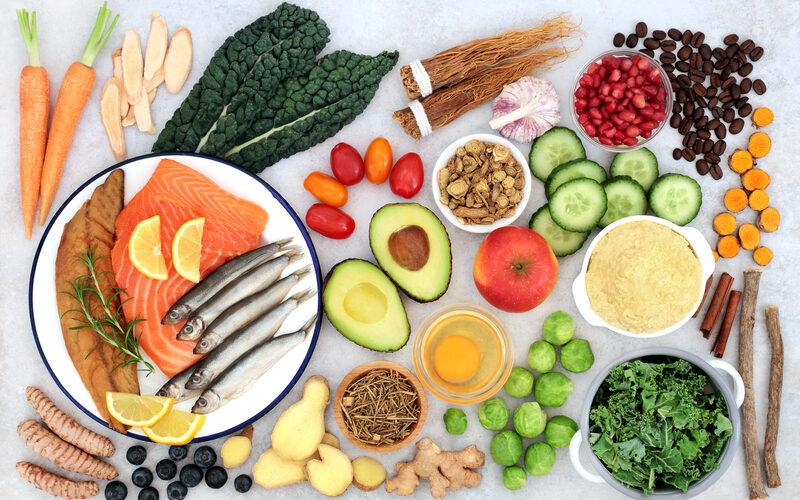
How can you fight infections naturally? If you have chronic inflammation in your body, eating the right foods may help your body heal. Inflammation is a natural response to injury or infection. For example, if you have a cut or cut on your finger or ankle, or if you get the flu. Your body’s immune system will respond by sending white blood cells to protect the affected area and fight infection.
It starts to get worse when your body continues to send inflammatory cells long after recovery. This inflammation is later considered a chronic inflammation, and is associated witharthritis, cancer, heart disease and diabetes, according to the American Heart Association. Your doctor can detect inflammation by measuring the levels of the reactive protein (CRP) in your blood and the erythrocyte sedimentation rate (ESR). Both are inflammatory signs that rise when there is inflammation in the body.
Fortunately, there are things you can do to reduce inflammation. Including an anti-inflammatory diet. Indeed, there are some foods you should eat, and others you should avoid if you suffer from infections.
What is the best anti-inflammatory diet that can fight infections?
There are different types of diets that help reduce inflammation and keep the body healthy. The primary goal of an anti-inflammatory diet is to try to reduce inflammation. Which in turn may help treat the symptoms of arthritis and other inflammatory diseases. Although dietary changes do not offer a cure, they can help the patient feel better while dealing with their illness.
In addition, this anti-inflammatory diet can help address certain medical problems, such as high blood pressure, cardiovascular disease, and other chronic medical conditions.
Therefore, the best anti-inflammatory diet will depend on a variety of factors. Including the cause of the infections, and the symptoms you are experiencing. Acute inflammation tends to manifest as swelling, heat or pain. It may also manifest as redness of the skin at the site of injury. Some of the most common signs of chronic inflammation include:
Fatigue.
Chest pain.
Rash.
Joint pain and stiffness.
Abdominal pain.
Fever.
Mouth sores.
It is worth noting that there is no one ideal diet for each individual. What works for one person may not work for another. Choosing the best diet is often based on trial and error.
Moreover, the anti-inflammatory diet includes several eating plans. It is not a specific diet. However, there are a few diets that help treat inflammation, for example the Mediterranean diet.
Mediterranean diet
Many nutritionists say that the Mediterranean diet, in particular, is one of the best diets that help fight infections. It’s also an easy food plan, which many people can easily follow. In addition, following the Mediterranean Dietary Plan can help protect against diseases that cause inflammation, such as type II diabetes and cardiovascular disease.
The Mediterranean diet consists of whole foods that reduce inflammation. Such as fatty fish, vegetables, fruits and nuts. Since the diet is largely plant-based, it is also rich in flavonoids and carotenoids. Almost all fruits and vegetables contain flavonoids, a phytonutrients with powerful anti-inflammatory and antioxidant benefits, and also strengthen the body’s immune system.
In addition, the Arthritis Foundation refers to the Mediterranean diet. As the best dietary plan for people with arthritis. Inflammatory symptoms that may benefit from a change in diet include:
Alzheimer ‘s.
Heart disease.
Rheumatoid arthritis.
Type II diabetes.
Obesity.
High blood pressure.
High cholesterol.
Furthermore, a 2021 study found an association between an anti-inflammatory diet and a lower risk of dementia later on. Inflammation in the brain may be a contributing factor in mental dementia.
Other diets that help fight inflammation
While the Mediterranean diet prevails, some other diets can help fight inflammation and prevent their side effects. The Norse diet – which focuses on fruits, vegetables, whole grains, fish and canola oil – is effective in reducing inflammation.
If you have high blood pressure, you may want to consider a diet to stop high blood pressure (DASH). Which is high in fruits, vegetables and whole grains. But it is low in foods that cause inflammation, such as sweets, sugary drinks and red meat.
Therefore, everyone considering an anti-inflammatory diet plan should consult their doctor or dietitian first. This is to know the most appropriate and best system to get rid of infections, commensurate with their needs.
The most popular anti-inflammatory foods
There is a list of foods that are special in the fight against infections, and they are varied and delicious. In addition, these foods have many other health benefits, besides fighting infections. Eat anti-inflammatory foods such as fruits, vegetables, whole grains, fish, nuts, oils and healthy fats. These foods will help you get vitamins, minerals, fiber, phytonutrients and essential fatty acids as well.
Fatty fish
Fatty fish, such as mackerel, salmon and sardines, contain omega-3 fatty acids that help effectively reduce inflammation throughout the body. The American Academy of Nutrition recommends eating a serving of fatty fish at least twice a week. Including fish in your diet is an excellent way to increase your intake of healthy fats that are good for your body.
Fresh fruits
Berries of all kinds and strawberries are full of vitamins, minerals and fiber. But the biggest benefit comes from anthocyanins, an antioxidant that has anti-inflammatory properties. A 2018 study suggests that eating berries led to lower markers of inflammation, oxidative stress and exercise-induced muscle pain.
We also can’t forget avocados, as they are also packed with healthy monounsaturated fats. These fats improve cholesterol levels and reduce inflammation in the body.
Green leafy vegetables and other vegetables
Dark green leafy vegetables such as spinach, cabbage, are packed with lutein, folic acid, vitamin K and antioxidants. Other vegetables such as broccoli are full of an antioxidant called sulforaphane, which has anti-inflammatory properties. In addition, peppers are also an important vegetable to add to your diet due to their anti-inflammatory properties. It is also rich in antioxidants, and a large dose of vitamin C.
Nuts
If you eat nuts, there is very good news for you. Nuts contain monounsaturated fats, which help fight infections. More specifically, research from a 2016 study found that eating nuts was associated with a lower risk of type 2 diabetes and certain cardiovascular diseases. Useful nuts include almonds, walnuts, pistachios and pine nuts. Eat one handful of liqueur daily to get its wonderful benefits.
Whole grains
Whole grains, such as brown rice, oat bran, lentils, oatmeal and quinoa, are great sources of fiber. Which can help lower blood C-reactive protein (CRP) levels. According to the Arthritis Foundation, whole grains should be part of a healthy diet.
olive oil
Olive oil, especially extra virgin olive oil, is an excellent addition to your anti-inflammatory diet. In addition to its great taste, extra virgin olive oil contains a fair amount of monounsaturated fats and antioxidants.
Beans & Legumes
Beans and other legumes are an excellent source of anti-inflammatory compounds, according to the Arthritis Foundation of America. They also contain antioxidants, fiber, magnesium, iron, potassium and zinc. So, when planning your meals, add beans, chickpeas, and black beans to your favorite meals.
Other foods, such as dark chocolate, turmeric and drinks such as green tea, are often included in the list of anti-inflammatory foods. However, research on its anti-inflammatory benefits is not as abundant as the other foods mentioned.
Foods that cause inflammation should be avoided
If you suffer from chronic infections, the last thing you want to do is eat foods that cause inflammation. Certain foods and drinks can put you at increased risk of increasing or worsening your symptoms. In addition, these foods lack nutrients that are beneficial to the body. Studies have also shown that they are linked to mood disorders, heart disease, obesity, diabetes and degenerative diseases. Here are some foods that cause inflammation that should be avoided:
Red & Processed Meat
Meat lovers may need to find another source of protein for them. Red meat is among the worst anti-inflammatory foods you can eat. This is due to their high content of saturated fat. This includes fatty cuts of beef, red meat from ribs, full-fat beef, hot dogs, pepperoni, cold beef and salami. A 2016 study found that eating higher amounts of red and processed meat was associated with an increased risk of stroke and increased mortality associated with cardiovascular disease and cancer. In addition to all diseases associated with chronic infections.
Sugar, sweets, soda and simple carbohydrates
In addition to occupying a high position in the list of foods that cause inflammation. Sweets, sugars and simple carbohydrates can cause harm to your body, especially by increasing blood sugar levels. Many health experts emphasize that we should reduce the intake of table sugar, high-fructose corn syrup, cakes, candy, biscuits, and other sweets.
Soda, sweetened tea, and sugar-filled coffee drinks have no place in your anti-inflammatory diet. Besides having little nutritional value, these foods contain a large amount of sugar in every meal.
Refined carbohydrates
It’s also time to limit your intake of white bread, pizza, pies, rolls, biscuits, white rice, pastries, and cakes. These refined carbohydrates lack fiber. They are often rich in sugar. That is, it is considered the main cause of causing inflammation.
Trans fats
Trans fats are a category of foods that include margarine, partially hydrogenated oils and margarine. According to a 2017 study, unsaturated fatty acids appear to contribute to chronic inflammation over time. Therefore, eliminate these fats from your diet as much as possible.
Fried foods and processed foods
Fried foods and processed and processed foods are often high in saturated and roaming fat. Some also contain high fructose corn syrup and other added sugars. This makes this category of foods a great source of inflammation. Foods to avoid include processed foods, canned foods, fast food, French fries, and other fried foods.
Omega-6 fatty acids
Omega-6 fatty acids are found in oils such as soybeans, peanuts, vegetables, corn, grape seed oil, and sunflower oil. According to some research, the problem with eating too much omega-6 is that it can cause inflammation. Therefore, reducing the intake of these foods, and balancing them with foods containing omega-3s, significantly reduces the risk of infections.
Does fasting help reduce inflammation?
Fasting includes abstaining from eating for specific periods of time. One common difference in fasting is intermittent fasting. This diet is based on eating certain hours of the day, or certain days of the week. For example, you may fast 16 hours a day and eat for the remaining 8 hours or you may fast one day and eat the next.
People rely on this diet to lose weight, while some use it to improve the overall health of the body. A 2019 study found that fasting reduces inflammation and improves symptoms of chronic inflammatory diseases. It also reduces the chances of contracting them.
When to go to see a doctor
If you don’t have symptoms of acute inflammation caused by an injury or illness. Or you notice any increase in symptoms or severity. It may be time to go to your doctor. Some of the symptoms of chronic inflammation that should be watched for include:
Fever.
Rash.
Chest pain.
Joint pain.
Abdominal pain.
Severe fatigue.
Digestive problems.
Enlargement of the lymph nodes.
If you have exhausted many lifestyle adjustments, such as eating an anti-inflammatory diet. No improvement associated with chronic inflammatory symptoms was observed. It is best to talk to your specialist, who may recommend some other treatment options.