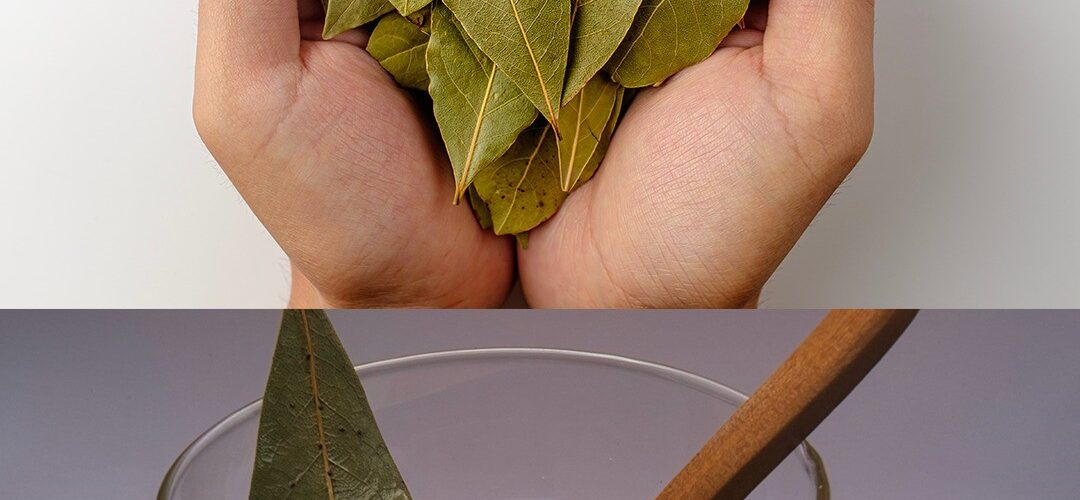
It increases appetite and is also a good digestive. It relieves digestive disorders in general, and is also a good tonic for liver function. Laurel is a perennial aromatic plant, appreciated since the past by the Ancient Greeks and Romans, as a medicinal plant, but also for the use that can be made of it in the kitchen.
Laurel (Laurus nobilis) is an aromatic herb rich in beneficial properties and very easy to use in cooking.
It is a species belonging to the Lauraceae family and most likely comes from Asia Minor, from which it would have spread to the Mediterranean regions and other parts of Asia.
This aromatic herb, of which the leaves are mostly used, has several beneficial properties.
The leaves and berries have astringent, diuretic and appetite-stimulating properties. While infusions of the green parts of the plant are instead used to relieve the symptoms of gastric ulcer and associated pain or colic and flatulence. The leaves are also a source of vitamin A, C, and B vitamins, but it is also rich in folic acid and minerals.
Finally, the essential oil obtained from this plant can also be a valuable helper for the health of the respiratory system.
In ancient Rome, the laurel plant symbolized glory. The winners of sports competitions and generals who triumphed in war conflicts, in fact, received a laurel wreath as recognition. From this tradition comes the term “laureato”, from “laureatus”, or “crowned with laurel”.
Properties and benefits of laurel
Bay leaves (Laurus nobilis) are traditionally used for the beneficial effects they have on digestion.
In fact, if you suffer from bloating of the stomach or abdomen, digestive problems, belching or flatulence, fresh or dried bay leaves, left to infuse for 5-10 minutes in boiling water, can help relieve the discomfort. The leaves of the bay leaf are carminative, and therefore facilitate the expulsion of gases, and also antispasmodic.
Just remember that bay leaves can be harvested and used throughout the year, but they are particularly rich in beneficial principles and aromatic essences during the winter and early spring.

Other properties of laurel are attributed to its essential oils, which can be obtained from both berries and leaves. In folk medicine, this aromatic plant is also attributed expectorant, diuretic, sudorific and emmenagogue properties (capable of regularizing the menstrual cycle). Not to be underestimated is the high content that the leaves have both of mineral salts such as potassium, magnesium and iron, and of vitamins (A, C and B vitamins).
The laurel plant is also an ally in cancer prevention. This is because it has been shown in the laboratory that a substance contained in the plant, lauroside B, is able to destroy strains of cells from human melanomas (skin cancers). The essential oil of laurel then, in addition to being antioxidant, inhibits the proliferation of leukemia cells, while the alcoholic extract of laurel prevents the proliferation of breast cancer cells.
How to recognize the “good” laurel from the “bad” one
The most common laurel in the Mediterranean is not poisonous, so there are no risks associated with its use.
However, it is important not to confuse it with two other poisonous plants, whose leaves are however partly similar to laurel.
We are talking about Laurocerasus, which contains hydrogen cyanide, and oleander.
The latter is in fact highly toxic, but also thanks to its characteristic flowers it is quite easy to recognize it.
How to use bay leaves
Laurel is a very versatile aromatic plant, so much so that it can be used to enrich many dishes.
We can use bay leaf to flavor the former, for example in sauces, along with other herbs. But it is especially in the second courses that the leaves of this aromatic plant can give an extra touch to the dish. Bay leaf is in fact traditionally used to flavor meat, but it can also be used to flavor legume-based recipes.
Laurel herbal tea
If we want to take full advantage of the beneficial properties of bay leaf, one way is certainly to take it in the form of herbal tea, to be drunk both hot and cold.
Laurel herbal tea is recommended as a digestive drink after a demanding meal. While if we want to relieve respiratory discomfort, the best time to take a laurel-based infusion is before going to bed.
To prepare a laurel-based herbal tea, simply simmer a handful of bay leaves in a saucepan with water for a couple of minutes and then leave to infuse for a few more minutes.
Contraindications
There are no particular contraindications to the consumption of bay leaf. Obviously, those who are allergic to this plant should not take any product that contains it, nor can they use bay leaf for compresses or cosmetic solutions because contact with the skin could trigger allergic reactions.
A final warning concerns those taking sedative drugs and narcotic drugs, as the consumption of laurel could interfere with these categories of drugs. In any case, if you have any doubts, ask your doctor for advice before consuming the laurel.