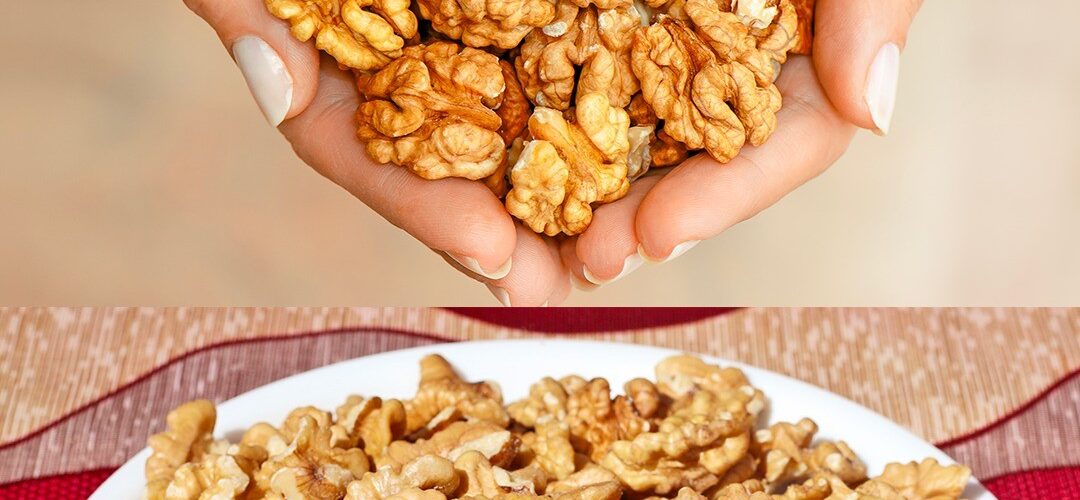
In recent years, the benefits of walnuts for heart health have gained significant attention. As one of the most nutrient-dense nuts, walnuts are packed with essential fats, proteins, and antioxidants that make them a valuable addition to any diet. Not only do they taste great, but research consistently shows that walnuts can significantly reduce the risk of cardiovascular disease. This article dives deep into the science behind how walnuts promote heart health and why you should consider adding them to your daily routine.
1. Rich in Healthy Fats
Walnuts are an excellent source of healthy fats, particularly polyunsaturated fats, including omega-3 fatty acids. These heart-healthy fats have been shown to lower bad cholesterol levels (LDL) and reduce inflammation in the body. Omega-3 fatty acids, especially those found in walnuts, are known to decrease triglycerides, improve blood vessel function, and reduce the risk of clot formation.
The American Heart Association recommends consuming foods high in omega-3s, such as walnuts, as part of a heart-healthy diet. Regular consumption of walnuts has been linked to improved cholesterol levels and a reduction in cardiovascular risk factors.
2. Improved Blood Vessel Function
Several studies have shown that eating walnuts can improve endothelial function, which is the health of the inner lining of blood vessels. A healthy endothelium is essential for maintaining normal blood pressure and preventing the buildup of plaque in the arteries. Research has indicated that consuming walnuts regularly can help improve blood vessel dilation and reduce arterial stiffness, which are key factors in reducing the risk of cardiovascular disease.
3. Antioxidants and Anti-Inflammatory Properties
Walnuts are rich in antioxidants, particularly vitamin E, polyphenols, and other plant compounds, which help protect the body from oxidative stress. Oxidative stress occurs when free radicals cause damage to cells, contributing to the development of heart disease. Walnuts are among the most antioxidant-rich nuts, offering a potent defense against the damage caused by oxidative stress.
In addition to antioxidants, walnuts have strong anti-inflammatory properties. Chronic inflammation is a known contributor to the development of cardiovascular diseases, including atherosclerosis (plaque buildup in the arteries). The anti-inflammatory compounds found in walnuts can help reduce inflammation, lower blood pressure, and protect against heart disease.
4. Supporting Healthy Cholesterol Levels
One of the most significant ways walnuts benefit heart health is by improving cholesterol profiles. Studies have shown that regular walnut consumption can increase levels of high-density lipoprotein (HDL), often referred to as “good cholesterol.” HDL helps remove excess cholesterol from the bloodstream, thus preventing the buildup of plaque in the arteries.
On the flip side, walnuts have been found to lower low-density lipoprotein (LDL) cholesterol, also known as “bad cholesterol.” High LDL levels are a major risk factor for heart disease, so maintaining a healthy balance of cholesterol is crucial for long-term heart health. Including walnuts in your diet can help you achieve this balance and reduce your risk of cardiovascular issues.
5. Blood Pressure Regulation
High blood pressure is a significant risk factor for heart disease and stroke. Walnuts have been shown to have a positive impact on lowering blood pressure, particularly in individuals with high blood pressure or those at risk of developing hypertension. The combination of omega-3 fatty acids, antioxidants, and other heart-healthy compounds in walnuts can help promote better blood circulation and reduce the strain on the heart.
Several studies suggest that including walnuts in the diet may reduce both systolic and diastolic blood pressure, which are important indicators of cardiovascular health.
6. Weight Management and Heart Health
Maintaining a healthy weight is crucial for overall heart health. While walnuts are calorie-dense, studies have demonstrated that consuming them in moderation can actually help with weight management. Walnuts are a great source of fiber and protein, both of which contribute to satiety, helping you feel full longer and potentially reducing overall calorie intake.
Additionally, the healthy fats in walnuts can support healthy metabolism and reduce the risk of obesity, which is a major risk factor for cardiovascular disease.
7. Scientific Research on Walnuts and Heart Health
A growing body of scientific evidence supports the idea that walnuts can reduce the risk of cardiovascular disease. A large study published in the American Journal of Clinical Nutrition found that walnut consumption was associated with a significant reduction in the risk of coronary heart disease. Another study published in Circulation highlighted that individuals who consumed walnuts regularly had improved lipid profiles and a lower risk of heart disease.
Additionally, research presented by the Harvard T.H. Chan School of Public Health found that people who ate nuts, including walnuts, at least twice a week had a lower risk of developing heart disease compared to those who ate nuts less frequently.
8. How to Include Walnuts in Your Diet
Incorporating walnuts into your daily diet is easy and delicious. Here are a few ideas to get started:
- Snack on Walnuts: A small handful (about 1 ounce) of walnuts makes for a healthy and satisfying snack.
- Add to Salads: Sprinkle chopped walnuts on top of salads for a crunchy texture and extra heart-healthy benefits.
- Use in Baking: Add walnuts to your favorite baked goods, such as muffins, cookies, or cakes.
- Blend in Smoothies: Toss a handful of walnuts into your smoothie for added protein, fiber, and healthy fats.
- Incorporate in Oatmeal or Yogurt: Add walnuts to your morning oatmeal or mix them into yogurt for a nutritious breakfast.
Conclusion
Walnuts are a powerhouse of nutrients that offer numerous benefits for heart health. From lowering cholesterol and blood pressure to reducing inflammation and oxidative stress, the heart-healthy properties of walnuts make them an excellent addition to any diet. Consuming walnuts regularly can help reduce the risk of cardiovascular disease and support overall heart function.
If you found this article informative and helpful, don’t forget to like and share it with your friends and family. Let’s spread the word about the incredible heart health benefits of walnuts and encourage others to make them a part of their daily diet!