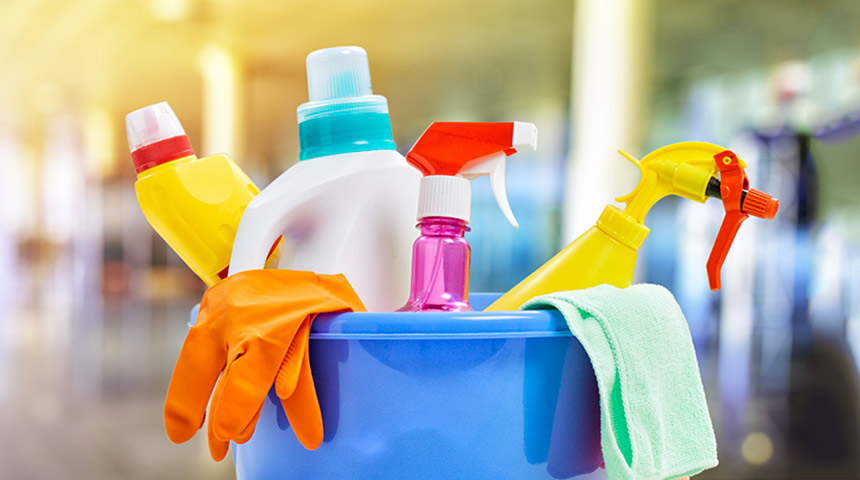
Chemical detergent poisoning is one of the most dangerous things that may be exposed to all family members, and children in particular. They cannot distinguish between beneficial and harmful in their early years.
Chemical cleaners are strong substances, which may be acidic or alkaline, or phosphate.
Caions are commonly used as a germ killer or disinfectant, especially in hospitals. Anions are commonly used to clean carpets.
Poisoning with chemical detergents occurs when a person accidentally swallows them.
In this article, we will learn some information about this serious matter. But it is worth noting that this article is to raise awareness and should not be relied upon as a definitive treatment for detergent poisoning, but should go or call the nearest emergency.
What is chemical detergent poisoning
- Household cleaners include a wide range of chemicals that act as cleaners for clothes and dishes as well as surfaces and others. These substances are divided into cations, anions, and non-ionic cleaners.
- Chemical detergent poisoning is the ingestion of these chemicals, whether orally, inhaled or in contact with the skin, it may be an accident, and it may sometimes be a premeditated intention.
- The condition is diagnosed based on the condition, a range of symptoms and signs that indicate poisoning. As well as based on the statements of the companion of the case. In some cases, radiology or laboratory tests may be used.
Causes of chemical detergent poisoning

- Poisoning occurs due to the ingestion of liquids used to clean any household items. It can also reach the eye, causing severe burning, and may result in gases whose accumulation in the respiratory system and frequent exposure to them lead to poisoning.
- Detergents are found in liquid, powder, or solid form, such as different types of soaps.
- Poisoning is due to an accident, as usually happens with children when they swallow detergent liquids, attracted by their attractive colors, thinking that they are a kind of candy. It also occurs in adults when you neglect to open windows during cleaning and exposure to detergent for long periods.
- These chemicals may also interfere with any medications a person is taking, resulting in unwanted and potentially serious side effects.
Symptoms of chemical detergent poisoning
Symptoms of poisoning vary from person to person. It may be mild for some or moderate, and it may be dangerous for others. But in any case, none of these symptoms should be underestimated.
Detergent poisoning causes many symptoms in several parts of the body:
- A severe change in the level of acid in the blood (change in pH) that can damage all organs of the body.
Eyes, ears, nose, as well as throat
- Loss or blurred vision, in case of eye contact with the toxic substance.
- Severe pain in the throat.
- Severe and burning pain in the nose, eyes, ears, lips, as well as the tongue.
- Swollen throat, lips, as well as tongue.
Digestive
- The presence of blood in the stool.
- Burns, possible openings or sores in the throat and esophagus (swallowing tube).
- Severe pain in the abdomen and stomach.
- Rewind, sometimes accompanied by blood.
Heart and circulatory system
- Low blood pressure, which causes rapid shock to the body.
- Heart palpitations and a feeling of severe weakness.
Lungs and airways
- Breathe with great difficulty.
- Swollen throat, which causes difficulty breathing as well.
Skin
- Skin burns.
- Erosion of skin cells or tissues underneath.
- Severe skin irritation.
The severity of symptoms of poisoning with household cleaners depends on several factors:
- The product itself, it may be a simple product that does not contain very strong chemical compounds. It may be a strong product containing strong corrosive acids such as benzalkonium chloride or highly toxic amine oxide.
- The amount that the person swallowed or inhaled.
- The length of time during which contact between a person and the chemical occurred.
Home care in case of poisoning with chemical detergents
The first thing to do when suspecting a poisoning is to call an emergency or poison control center immediately. And even then you should take into account some important things:
- A common mistake that many people make, as it seems like an obvious solution from their point of view, is to try to make the person vomit, which gives the chemical a chance to return again on the same tissue and multiply the damage.
- Don’t force the person to vomit, but if they vomit, turn their head to the side to prevent choking.
- Wear gloves and discard clothing that may contain toxic substance residues.
- Also dispose of any toxic residue that may be stuck to the skin, by washing the skin for 15 to 20 minutes continuously with tap water.
- Also, remove any remnants of the toxic substance from the mouth if the person has swallowed it.
- Wash the eyes when you notice that they are exposed to any of the toxic substance, also by washing them with water for 20 minutes.
- Read the instructions on the detergent packaging and find out the special instructions in case of poisoning.
- It’s also worth noting that drinking milk doesn’t cure symptoms of poisoning, and you shouldn’t try to give someone who has been poisoned milk or water unless advised to do so by your health care provider.
- If help doesn’t arrive, if the person doesn’t respond, perform CPR immediately.
Treatment methods used in cases of chemical detergent poisoning
Treatment of poisoning with household detergents depends on the type of chemical contained in the detergent.
Treatment may include the following steps:
- Put the person on a respirator and supply them with the oxygen needed for their regular breathing.
- Give him some painkillers.
- As well as supplying the person with the necessary fluids intravenously.
- Treatment for skin burns and irritation, if any.
- Examination of the lungs and airways with a dedicated endoscope.
- The food tube and stomach are also examined with an instrument known as an endoscope.
Detergent poisoning may severely affect a person’s health, so treatment must be expedited in order to avoid serious complications such as damage to the brain or any of the body’s organs, and even loss of life as well.
Who can do first aid in case of poisoning with household cleaners
- Despite the previous steps – which most people are supposed to learn until health care representatives arrive, which most people can learn and do, first aid steps remain the prerogative of your country’s nurses or health care providers.
- By calling the emergency, as well as contacting the poison center in order to save the person exposed to poisoning as soon as possible.
Risk factors for chemical detergent poisoning

When an adult is poisoned by detergents either at home or work, it is usually due to not following the correct instructions in using this product.
Also, dealing with detergents for long and consecutive periods may put the person at risk of poisoning.
Also, some may not realize how powerful the chemical cleaner they use in opening windows for ventilation is also strong. They end up inhaling a large amount of these incendiary substances.
As for children, they are the most vulnerable group to poisoning with household cleaners, because they may try to eat or drink any kind of detergent, of course without knowing its danger.
Children under the age of six may miss brightly colored liquids, beautifully shaped containers, as well as solid soaps with attractive shapes for drinks and sweets.
So they usually swallow the following products:
- Detergents that are used for washing dishes.
- Cologne and perfume.
- As well as bathroom cleaners.
- Candida.
- Tissue softeners.
- As well as simple liquid soap.
Poison control centers receive many calls annually about incidents of poisoning children. Of these, 76% were accidents due to liquid detergents, compared to 27% accidents in other forms of detergents. Centers usually advise parents to keep detergent as out of the reach of children as possible.
Methods of preventing poisoning with chemical detergents

- Always take great care when storing household cleaners, soaps and other substances that children may swallow.
- Also, always keep windows open during cleaning, and take breaks during the cleaning process, in order to avoid staying in contact with chemical cleaners for long periods.
- Soaps, cleaning products, dishwashing products, clothes etc., must be well sealed and placed in sealed places as well. Most of these products are in very attractive colors and shapes for children, but of course they are very dangerous.
- Most accidents occur when adults forget detergent products after the cleaning process and do not return them to their place after cleaning is finished.
- Empty containers should also be disposed of quickly in the garbage, and not forgotten in places where children can reach.
The end
Poisoning with chemical detergents found in all homes has become a common occurrence, especially in children in their early years when they begin to explore the world.
It has become necessary to raise awareness about the seriousness of this matter, and how to deal with it properly away from any wrong practice.
Adults may also experience detergent poisoning for a variety of reasons related to certain wrong habits.
Also, some people sometimes use detergents as a way to harm themselves, so we must be aware of the symptoms of poisoning so that we can help them at the right time.