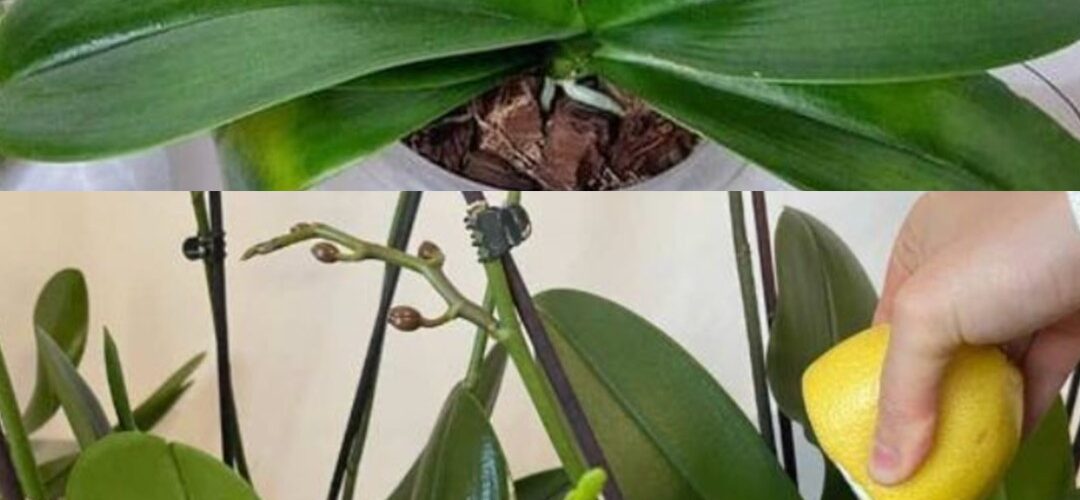
Lemon juice is often associated with health benefits for humans, but did you know it can also be incredibly beneficial for your plants? This simple household ingredient can serve as a natural, effective solution to help your garden thrive. Whether you’re a seasoned gardener or just starting, lemon juice can be a powerful ally in maintaining the health and vitality of your plants. Here’s how you can use lemon juice for your plant’s well-being.
1. Natural Fertilizer for Acid-Loving Plants
Lemon juice is naturally acidic, which makes it an ideal fertilizer for plants that thrive in acidic soil, such as azaleas, rhododendrons, blueberries, and hydrangeas. The citric acid in lemon juice helps to lower the pH of the soil, creating a more acidic environment that these plants love.
How to Use It:
- Mix 1 tablespoon of lemon juice with a gallon of water.
- Water your acid-loving plants with this mixture every 2–3 weeks.
- Avoid overusing it, as too much acid can harm plants, but this periodic boost will encourage healthy growth and vibrant blooms.
2. Pest Repellent
Lemon juice can also act as a natural insect repellent. The strong citrus scent helps to deter pests like aphids, mosquitoes, and ants. Instead of using harmful chemicals, lemon juice offers a non-toxic way to protect your plants.
How to Use It:
- Combine 1 tablespoon of lemon juice with 2 cups of water.
- Spray this mixture on the leaves and stems of your plants, focusing on areas where pests are visible.
- Repeat the process once a week or as needed to keep pests at bay.
3. Soil Health Improvement
Lemon juice is also beneficial for improving soil health. The acidic nature of lemon juice can help break down organic matter in the soil, enhancing nutrient availability for your plants. Additionally, it can encourage beneficial microorganisms in the soil, which contribute to healthy root development.
How to Use It:
- Mix 1 tablespoon of lemon juice with 1 gallon of water.
- Pour this mixture into the soil around your plants, especially during the growing season.
- Be sure not to overdo it, as too much acidity could harm the plants. Use it once a month for the best results.
4. Removing Stains from Plant Leaves
Sometimes, plants can accumulate dust, dirt, or stains on their leaves, which can block sunlight and hinder photosynthesis. Lemon juice can help clean your plants’ leaves and restore their natural shine. The acidity in the lemon juice breaks down dirt and debris, leaving leaves looking fresh.
How to Use It:
- Mix lemon juice with an equal amount of water in a spray bottle.
- Gently spray the leaves of your plant.
- Wipe the leaves with a soft cloth or sponge to remove dust and stains.
5. Stimulating Seed Germination
Lemon juice can also be used to enhance the germination process of seeds. The acidic environment it creates can soften seed coatings, helping seeds to sprout more easily. This is especially helpful for hard-shelled seeds like beans, peppers, and tomatoes.
How to Use It:
- Soak your seeds in a mixture of lemon juice and water (1 tablespoon of lemon juice per 1 cup of water) for about 15–30 minutes.
- After soaking, plant the seeds in your garden as usual. You’ll likely notice faster and stronger germination.
6. Preventing Fungal Growth
Fungal diseases such as mildew and mold can harm plants, but lemon juice can help fight these issues naturally. The acidity in lemon juice has antifungal properties that can prevent the growth of harmful fungi.
How to Use It:
- Combine 1 tablespoon of lemon juice with 2 cups of water.
- Spray the mixture onto the affected areas of the plant, being careful not to over-saturate the leaves.
- Repeat once a week or as needed to prevent fungal growth.
Precautions
While lemon juice can provide several benefits to your plants, it’s essential to use it in moderation. Overuse of lemon juice can make the soil too acidic, which may harm your plants. Always test the solution on a small area of the plant or soil before applying it widely.
Also, avoid spraying lemon juice directly on plants during very hot weather or when the sun is strong, as it may cause leaf burn. It’s best to apply lemon juice mixtures during cooler parts of the day, such as early morning or late afternoon.
Conclusion
Lemon juice is a powerful and natural tool for enhancing your plants’ health. From improving soil acidity for acid-loving plants to acting as a pest repellent and stimulating seed germination, it offers a wide range of benefits. By incorporating lemon juice into your gardening routine, you can create a healthier, more vibrant garden without relying on harmful chemicals.
So, the next time you have a lemon on hand, don’t throw away the juice — use it to give your plants the care they deserve!
Feel free to share this post with fellow gardeners and plant lovers! Don’t forget to like and follow for more helpful gardening tips. 🌱✨