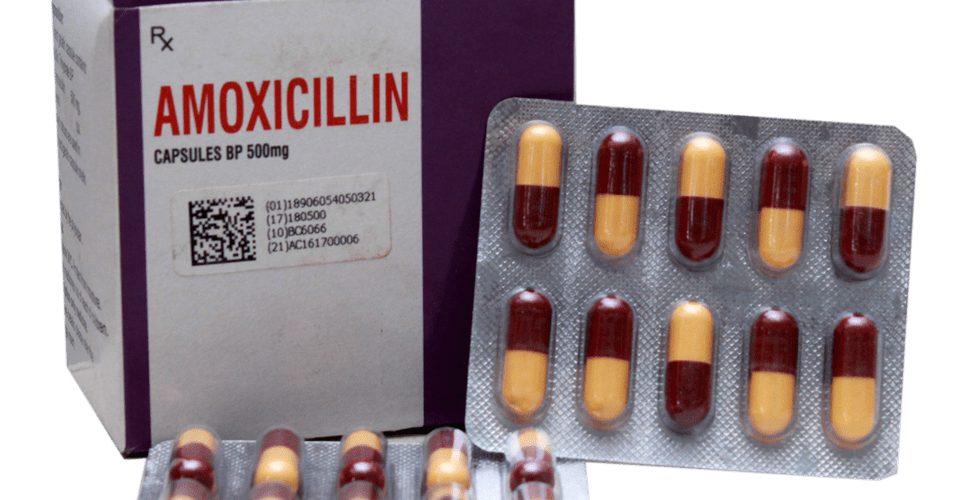
Amoxicillin is one of the most popular and widely used types of antibiotics. Amoxicillin is from the penicillin family that is used to treat bacterial infections such as chest infections, pneumonia and dental abscesses. It is also used in combination with antibiotics and other medicines to treat stomach ulcers. Amoxicillin is often prescribed to children to treat ear infections and chest infections.
Amoxicillin is available in capsule form, baby liquid, or injection but is only used as an injection in hospitals. In this article, we will find out all the information about the antibiotic amoxicillin.
Amoxicillin 500 mg
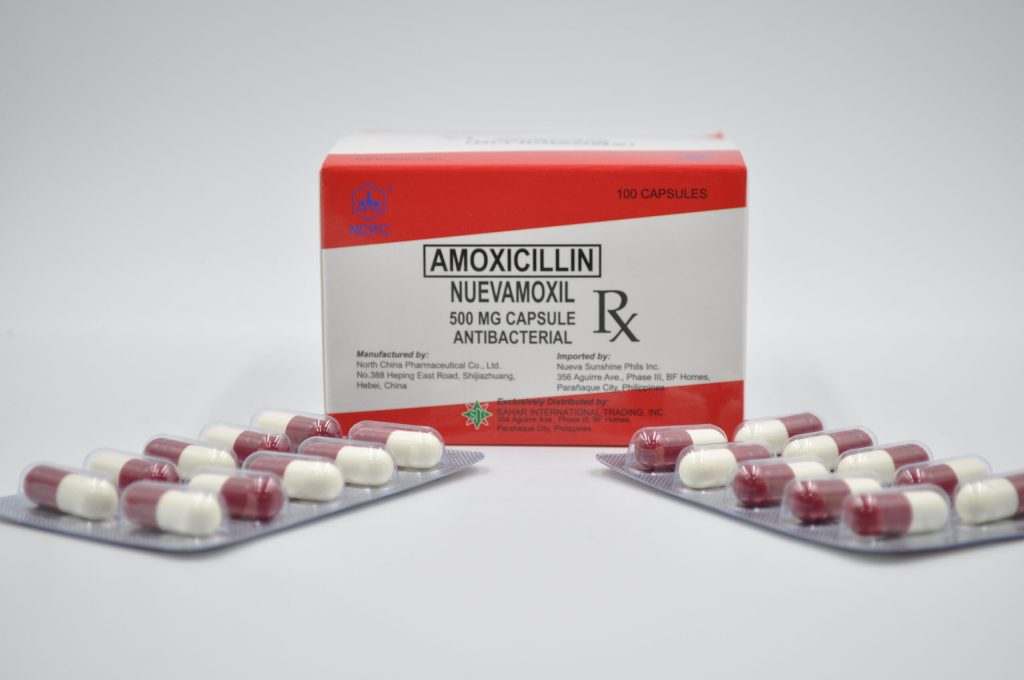
Amoxicillin is available in capsules with a concentration of 500 milligrams, amoxicillin is used in the following cases:
- Sore throat
- Otitis media.
- Pneumonia and tracheitis.
- Lower respiratory tract infections.
- Lyme disease.
- Anthrax.
- Infections of the genitourinary system.
- Stomach germ with other antibiotics.
- Skin infections.
Amoxicillin 1000 mg or 1 gram
Amoxicillin 1,000 mg or a double dose of Amoxicillin 500 mg is used in severe and recurrent bacterial infections in adults over 18, for example:
- Severe inflammation of the throat and tonsils.
- Acute otitis media.
- Severe bile duct infections.
- Severe skin infection.
- Acute and frequent inflammation of the sinuses and bronchi.
Amoxicillin antibiotic dosage for adults
The usual dose is a capsule of 500 mg three times daily, and in severe cases a capsule of 1 gram concentration two to three times a day depending on the severity of symptoms.
- Pneumonia: 500 to 1,000 milligrams divided into 3 doses per day.
- Otitis media: 1000 milligrams 3 times a day.
- Dental abscess: 500 milligrams 3 times a day and in severe cases 1 gram 3 times a day and the dose can reach four times a day.
- Lower respiratory tract infection: 1 gram three times a day.
Warning: In cases of the elderly, the dose should be determined by the doctor after laboratory tests of kidney and liver function.
Amoxicillin for children
Amoxicillin is available for children in the form of a powder prepared before use by adding distilled water to it. It is also available in concentrations of 125 mg and 250 mg (syrup or capsules) and the pediatrician determines the appropriate dose and concentration according to the child’s health condition and age. Amoxicillin is used for children in the following cases:
- Infections of the ear, throat, tonsils and throat.
- Lower respiratory tract infections such as pneumonia and bronchitis.
- Infections of the skin and soft tissues.
- Urinary tract infections such as cystitis and urethra.
Amoxicillin antibiotic dosage for children
- Children up to 10 years of age the dose is a teaspoon of 125 milligrams per 5 milliliters three times daily.
- In very severe infections, a teaspoon of 250 milligrams per 5 milliliters is prescribed three times a day.
When does amoxicillin product appear?
You should feel better within a few days after taking the medication. But it is very important that you continue taking amoxicillin until you finish the specified dose. This helps the entire bacterial infection and does not recur the infection again.
What to do when you forget to take a dose of the antibiotic amoxicillin?
- When you forget to take the dose, take it as soon as you remember it unless the time for the next dose is close. In this case, leave the missed dose and take the next dose at the usual time.
- Do not take two doses at the same time, never take an additional dose to make up for the forgotten dose.
- If you forget doses too often, you should consult your doctor or pharmacist to adjust the missed doses.
Overdose of the antibiotic amoxicillin
Fortunately, taking an extra dose of the antibiotic amoxicillin won’t hurt you or your child. But it is best to consult your pharmacist or doctor if you are worried.
Precautions for taking amoxicillin antibiotic
- Amoxicillin should not be used if you are allergic to any penicillin antibiotic such as ampicillin, dicoxyacillin and oxacillin.
- Cases of renal function insufficiency.
- Liver dysfunction.
- Amoxicillin can make birth control pills less effective. Ask your doctor about using non-hormonal contraceptives such as condoms.
Amoxicillin and pregnancy
It is safe to take amoxicillin during pregnancy, as it is one of the first choices for antibiotics for pregnant women because it does not harm them or the health of the fetus.
Amoxicillin and breastfeeding
Studies show that only small amounts of amoxicillin come down with breast milk. Therefore, it is expected that it does not cause any side effects on the child.
But you should consult a doctor if the infant develops the following symptoms:
- Your baby is not feeding as well as usual.
- Your child has severe diarrhea.
- The appearance of a rash on the child.
- Your child has oral thrush.
Amoxicillin Damage
Common side effects
These common side effects occur in about 1 in 10 people, for example:
- Feeling nauseous.
- Diarrhea.
- Mild rash.
Serious side effects
Serious side effects appear rarely and occur in less than 1 in 1,000 people, if these symptoms appear you should consult your doctor immediately. For example:
- Severe diarrhea that lasts more than 4 days and contains blood or mucus.
- Pale stools, dark urine and the whites of your eyes or skin turn yellow as these can be signs of liver or gallbladder problems.
- Bruising or changes in skin color.
- Pain in the joints or muscles that appear two days after taking the drug.
- The appearance of a rash with rounded red spots.
Some of these serious side effects can appear for up to two months after you finish taking amoxilin.
Serious allergic reaction
About 1 in 15 people experience the appearance of an allergic reaction to amoxicillin.
In most cases, the allergic reaction is mild and can take the form of a rash. Mild rashes can usually be treated by taking antihistamines.
In rare cases, amoxicillin can cause a serious allergic reaction (anaphylaxis).
What other drugs will affect the antibiotic amoxicillin?
When your doctor prescribes amoxicillin, you should tell him if you are taking other medications, especially the following medicines:
- Other antibiotics.
- Allopurinol is used in the treatment of gout.
- Probenecid.
- Blood thinners such as warfarin that prevent the formation of blood clots.
- Methotrexate helps in the treatment of arthritis and psoriasis.
Amoxicillin may interact with some other over-the-counter medications, vitamins and herbal products.
You should not overdo it with antibiotics as this can negatively affect your health and put your life at risk. Therefore, you should consult a doctor before taking any type of antibiotic so that he prescribes each dose that is appropriate for you and the exact duration of taking the medicine.