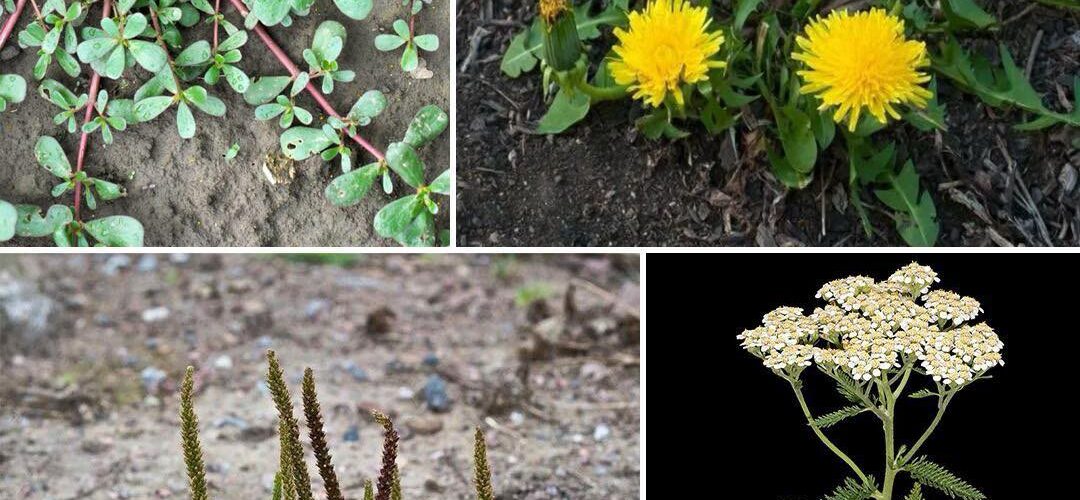
When most people think of weeds, they envision unwanted, pesky plants that sprout up in gardens and lawns. However, what many don’t realize is that some of these so-called “weeds” are actually treasures in disguise. Packed with nutrients, medicinal properties, and even culinary uses, many common weeds can be beneficial to both your health and your garden. Let’s take a closer look at four common plants often labeled as weeds, and discover the hidden wonders they bring.
1. Dandelion (Taraxacum officinale)
Dandelions are perhaps the most well-known “weed,” but these bright yellow flowers are far more than just a nuisance in your lawn. In fact, dandelions have been used for centuries in both culinary and medicinal applications.
Nutritional and Medicinal Benefits:
- Leaves: Rich in vitamins A, C, and K, dandelion leaves can be used in salads, smoothies, or sautéed. They also act as a natural diuretic, helping to flush out toxins from the body.
- Roots: Dandelion roots have been traditionally used to support liver health, aid digestion, and act as an anti-inflammatory. You can make a soothing dandelion root tea or even roast the roots as a coffee substitute.
- Flowers: The yellow petals can be used to make dandelion wine, jams, or infused into honey for a unique, floral flavor.
Dandelions also have a deep root system that can help aerate compacted soil in gardens, making them beneficial for the health of your garden.
2. Clover (Trifolium spp.)
Often considered a weed in lawns, clover is a plant with a wide array of benefits that go beyond being a simple ground cover. While it’s typically seen as a sign of poor lawn care, clover is an excellent companion plant and offers several hidden treasures.
Nutritional and Ecological Benefits:
- Nitrogen Fixer: Clover is a natural nitrogen fixer, meaning it helps improve soil fertility by converting nitrogen from the air into a form that plants can use. Planting clover in your garden or lawn can improve soil health without the need for chemical fertilizers.
- Edible: The leaves, flowers, and even the stems of clover are edible. The leaves can be added to salads, and the flowers can be used to make a mild, sweet tea.
- Medicinal: Clover flowers are known for their anti-inflammatory and antioxidant properties. They’ve been used in traditional medicine to treat conditions like coughs, colds, and even skin irritations.
Clovers attract pollinators, such as bees, which is another reason why they can be a fantastic addition to any garden.
3. Nettle (Urtica dioica)
Nettle is often regarded as a painful weed due to its stinging hairs, but this plant is a powerhouse when it comes to health benefits and uses. Nettles have been used for centuries in herbal medicine, cooking, and even textiles.
Nutritional and Medicinal Benefits:
- High in Nutrients: Nettle leaves are packed with iron, calcium, vitamins A and C, and other essential nutrients. They can be used in soups, teas, and smoothies to boost your nutrition.
- Anti-inflammatory: Nettle has strong anti-inflammatory properties and has been used to treat joint pain, arthritis, and allergic reactions like hay fever.
- Hair and Skin Care: Nettle is often used in natural hair care products to promote healthy hair growth and reduce dandruff. The plant’s high mineral content also makes it beneficial for maintaining healthy skin.
Be sure to wear gloves when harvesting nettles, as their stinging hairs can cause skin irritation. Once cooked or dried, the sting disappears, and you can enjoy the plant safely.
4. Purslane (Portulaca oleracea)
Purslane is another common “weed” that is often dismissed, but it’s actually a highly nutritious plant with a wealth of health benefits. It grows quickly and can often be found in gardens or between cracks in the pavement.
Nutritional Benefits:
- Rich in Omega-3 Fatty Acids: Purslane is one of the few plants that contains significant amounts of omega-3 fatty acids, which are essential for heart health and reducing inflammation.
- High in Antioxidants: Purslane contains antioxidants such as vitamin E and beta-carotene, which help fight free radicals in the body and reduce the risk of chronic diseases.
- Culinary Uses: Purslane has a slightly tart, lemony flavor and can be added to salads, soups, or stir-fries. It’s often used in Mediterranean and Middle Eastern cuisines.
Purslane is also a hardy plant that can tolerate dry conditions, making it a great addition to a sustainable garden.
Conclusion
Next time you see a “weed” in your yard or garden, take a moment to reconsider. Many of these plants, like dandelions, clover, nettle, and purslane, are more than just unwanted guests in your garden—they’re edible, medicinal, and beneficial to the environment. By learning how to use them to your advantage, you can improve your health, garden, and even reduce waste.
If you found this post interesting, don’t forget to like and share it! Spread the word about the hidden wonders in these common plants, and encourage others to see them in a whole new light. Let’s all embrace the beauty and benefits of nature in unexpected places! 🌿