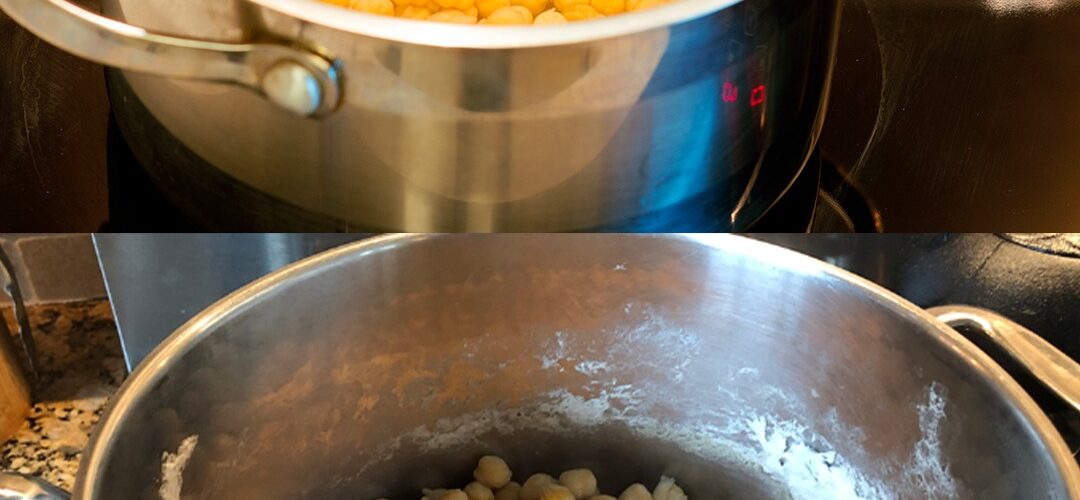
Chickpeas are a versatile and nutritious ingredient that can be used in a variety of dishes, from hearty stews to fresh salads, or even as a base for creamy hummus. However, cooking chickpeas can sometimes be tricky, and many people make mistakes that affect their texture, flavor, or overall outcome. Whether you’re using dried chickpeas or canned ones, here are the most common mistakes people make when cooking chickpeas and how to avoid them.
1. Not Soaking Dried Chickpeas Long Enough
One of the biggest mistakes when cooking dried chickpeas is not soaking them long enough before cooking. While it might seem convenient to skip the soaking step, chickpeas need a good long soak to soften and cook evenly.
How to Avoid It: Always soak dried chickpeas overnight (at least 8 hours) in plenty of water. If you’re in a hurry, you can use the quick-soak method: boil the chickpeas for 5 minutes, then let them sit, covered, for about 1 hour. This helps reduce cooking time and ensures that they cook properly.
2. Skipping the Cooking Liquid or Using Cold Water
Another common mistake is cooking chickpeas in cold water or without enough liquid. Chickpeas need to be submerged in water or broth to cook thoroughly. Starting the cooking process with cold water can result in uneven cooking and toughness.
How to Avoid It: Always use enough water to cover the chickpeas by at least an inch or two when cooking. Start with cold or room-temperature water, then bring it to a boil and simmer until tender. For added flavor, cook them in vegetable or chicken broth instead of water.
3. Not Adding Salt at the Right Time
Many people add salt at the beginning of cooking chickpeas, believing it will help the beans cook faster. However, adding salt too early can result in tough chickpeas that never soften properly.
How to Avoid It: Add salt only once the chickpeas are fully cooked. This ensures they soften correctly without being affected by the salt. You can add salt during the final stages of cooking, or when you’re preparing the dish where the chickpeas will be used.
4. Overcooking or Undercooking the Chickpeas
Both overcooking and undercooking chickpeas can ruin a dish. Undercooked chickpeas are hard and unpleasant to eat, while overcooked chickpeas can become mushy and lose their texture.
How to Avoid It: Make sure to check your chickpeas for doneness periodically while cooking. Once they are tender but still hold their shape, they’re ready. If you’re using a pressure cooker or Instant Pot, refer to the recommended cooking times for chickpeas. Typically, cooking time on the stove is around 60-90 minutes, depending on the soaking time.
5. Not Skimming Off the Foam
As chickpeas cook, they can create a foamy substance that forms on top of the water. This foam consists of impurities that can affect the flavor of your dish if left in.
How to Avoid It: Be sure to skim off the foam during the first few minutes of cooking. This will help improve the taste and ensure the chickpeas cook in cleaner water. A fine mesh skimmer or spoon works best for removing foam.
6. Not Testing the Freshness of Dried Chickpeas
Old dried chickpeas may take longer to cook, or they may not soften at all. If you’re using chickpeas that have been stored for a long time, they may not yield the desired result.
How to Avoid It: Use fresh dried chickpeas whenever possible. If you’re unsure about the freshness, consider testing by cooking a small batch before cooking a large amount. Store dried chickpeas in an airtight container in a cool, dark place to prolong their shelf life.
7. Not Preparing Canned Chickpeas Properly
Canned chickpeas are convenient but often come packed with extra sodium and preservatives. If you don’t rinse them properly, you might end up with a salty or metallic flavor in your dish.
How to Avoid It: Rinse canned chickpeas thoroughly under cold water to remove excess salt and preservatives. You can also gently heat canned chickpeas in a pan with olive oil, garlic, and herbs for added flavor.
8. Not Using Enough Cooking Time for Homemade Hummus
When making hummus from scratch with cooked chickpeas, it’s essential to cook them long enough so that they’re very tender and easy to blend into a smooth paste.
How to Avoid It: Make sure your chickpeas are cooked until they’re super soft, and take extra time to remove their skins if you want an extra-smooth hummus. A small trick is to rub the cooked chickpeas between your hands to peel the skins off before blending.
By being mindful of these common mistakes, you can ensure that your chickpeas are always perfectly cooked, whether you’re making a simple salad, a creamy dip, or a flavorful curry. The key is to allow enough time for soaking, cooking, and seasoning.
If you found this post helpful, don’t forget to like and share it with your friends who love cooking! Help them avoid these mistakes and make their chickpea dishes perfect every time. Happy cooking!