
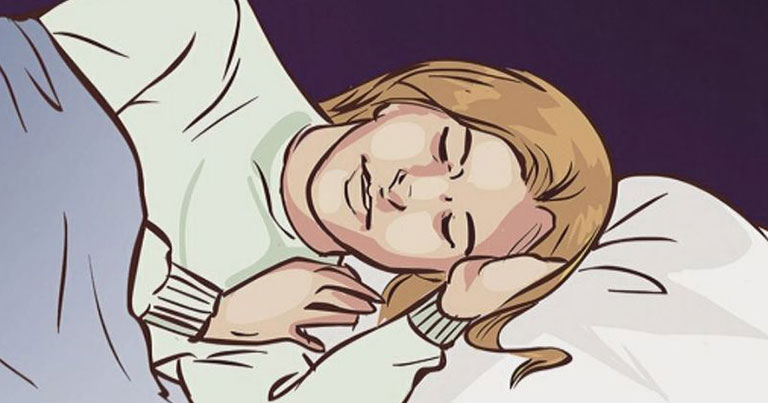
Rapid fatigue and constant drowsiness without an objective reason can signal a deficiency of vitamins and microelements in the body.
To get rid of such unpleasant manifestations, you need to replenish your reserves of beneficial substances.
Mineral, vitamin deficiencies and drowsiness
Common causes of chronic sleepiness:
intensive sports training;
lack of sleep;
stress, excitement, anxiety;
insufficient rest;
disease;
the effects of taking certain medications;
high sensitivity to weather;
hormonal deficiencies;
bad habits;
lack of oxygen.
You probably remember the long voyages to discover new lands. Back then, due to the lack of fresh fruits and vegetables, sailors developed scurvy.
The disease began with the gums being exposed, muscle pain, and later, if not enough vitamin C was taken, the outcome was fatal.
In fact, many more men died from this than from fighting with natives. Vitamin C was discovered in 1934. And in 1933, vitamin B12 (cobalamin) was discovered.
In the 20th century, more vitamins were discovered, and scientists were awarded Nobel Prizes.
Here are some of the symptoms that indicate a lack of vitamins:
Weak nails and hair.
We have already written that the appearance of nails can determine a person’s overall health.
Healthy nails look smooth and have an even color.
As people age, they often develop vertical lines or their nails become more brittle.
This is harmless and not a symptom of disease. The spots, which are caused by an injury, grow out with the nail.
Nails are just a small part of the puzzle of the human body.
Their appearance is never enough to make a specific diagnosis, but it can be helpful to doctors who, together with other symptoms, a physical examination, and various tests, can clarify the disease.
Pale nails, for example, are common in iron deficiency anemia, white nails are due to liver disease, yellow nails are associated with a fungal infection, bluish nails indicate a lack of sufficient oxygen, transverse white lines appear in arsenic poisoning, etc.
Cracks in the corner of the mouth.
They are caused by a lack of iron, vitamins B1 and B3. Diversify your diet with more green leafy vegetables and poultry. Vitamin C is known for its benefits for the skin.
Bleeding gums.
Before you start buying specialized toothpastes and mouthwashes, see if this is due to a lack of vitamin C.
This is the first sign of scurvy. In fact, the gums are a type of connective tissue made up of gingival collagen fibers, and a lack of vitamin C stops the synthesis of new collagen, which is why the teeth start to loosen.
Bacteria collect in the periodontal pockets, which lead to the development of periodontal caries.
Keep in mind that smoking requires you to take in more vitamin C and can also be a cause of gum problems.
Weakening of vision.
It can also be due to a lack of vitamins.
Lack of vitamin A leads to night blindness, in which a person has difficulty distinguishing objects after dusk.
On the other hand, after entering the eye, the signals are transmitted to the brain via the optic nerve.
Vitamin B12 deficiency leads to damage to the myelin sheath of this nerve and optic neuropathy with blurred vision .
Early graying of hair.
Just as skin color differs between races and ethnicities, there is a difference in the age at which hair begins to turn gray.
We are talking about early graying in people under 30 years of age for Europeans and people with white skin, under 40 years of age for Asians, and under 50 years of age for African-Americans.
Sometimes this is due to genetic factors and smoking.
Hair follicles form during human embryonic development.
They are located in the middle layer of the skin – the dermis.
Scientific studies prove that a lack of vitamin B12 can lead to hair discoloration even in 3-year-old children, as well as in teenagers.
Hair loss.
A person has between 100 and 150,000 hairs on their scalp.
We have every right to be concerned when we lose more than 100 hairs a day. This may be due to a lack of vitamins B3 and B6.
Difficult wound healing.
In deeper skin injuries, where bleeding occurs, tissue is lost. Regeneration processes follow.
Collagen is the body’s glue that holds and restores the skin’s previous appearance. As we said, vitamin C plays a particularly important role in the synthesis of new collagen.
And how wounds heal depends on special topographic lines on the body, called Langer’s lines.
In elective and plastic surgeries, surgeons take these into account so that scars are as noticeable as possible.
Scientific research proves that in such situations, smoking, which depletes vitamins from the body, should be stopped several weeks before a planned surgery.
In diabetes, collagen in the skin binds to glucose, which makes wound healing in diabetics complicated and takes longer.
Chronic aphthae (aphthous stomatitis).
In this case, the canker sores are not caused by the Herpes simplex virus.
Various changes in the mouth and on the inside of the cheeks indicate that it may also be a symptom of vitamin B deficiency.
Changes in language.
Pale tongue – there is not enough hemoglobin in the blood. Pay attention if it is too smooth.
If you feel tired and lethargic, increase your intake of foods rich in iron and vitamin A. Bright red tongue – one of the possible causes is inflammation.
It may be due to a deficiency of B vitamins such as B3, B9 (folic acid) and B12 (cobalamin). Purple tongue – likely due to high cholesterol levels, low blood oxygen levels and poor blood supply.
All this leads to stagnation of blood in the tongue. It is possible that the color has changed under the influence of medications as well as aggressive food colorings. White tongue – a sign of dehydration.
It can be caused by smoking or alcohol. White coating is a sign of a fungal infection and is treated topically. It is often found among newborns (thrush). Black tongue – overgrowth of pathogenic bacteria.
It occurs after prolonged use of antibiotics. Scraping off the bacterial plaque or using a mouthwash is often enough. Probiotics, which are mainly used to improve the intestinal flora, can also help.
The texture of a healthy tongue is smooth with visible taste buds. See what a tongue looks like when you are deficient in vitamin B12.
High blood pressure.
It can be caused by a lack of vitamin D. In addition to sunlight, you can get it from foods such as wild salmon, tuna, beef liver, and egg yolk.
Fatigue, muscle weakness , rapid and irregular heartbeat, chest pain, shortness of breath, feeling cold – these are signs of anemia.
In addition to iron from food or medication, you can take water-soluble B vitamins. Vitamin B9 is better known as folic acid and is often prescribed during pregnancy. Anemia can also be pernicious, caused by a lack of intrinsic factor to help absorb vitamin B12. The history of the discovery of vitamin B12 is again associated with a disease. In the distant 1824, a deadly form of anemia associated with degeneration of the stomach was described by JS Combe in Edinburgh in the article “History of a Case of Anaemia”. Similar reports of a similar disease with a fatal outcome were described in 1849. In 1872, there was already talk of pernicious anemia, the end of which was inevitably fatal. Years later, after testing on dogs suffering from anemia, the raw liver diet was developed. Thus, in 1934, the Nobel Prize was awarded to George Hoyt Whipple, George Richards Minot, and William Parry Murphy. In 1948, two scientific teams working independently in the United States and Great Britain succeeded in isolating its crystalline form and called it B12. In 1955, Dorothy Hodgkin (1910-1994), a British chemist, succeeded in studying the complex chemical structure of this large molecule using X-ray crystallography. She was the third woman chemist to receive the Nobel Prize. In 1964, she was awarded both for B12 and for determining the structure of penicillin.
Excessive sweating.
There are many causes for this condition, including thyroid problems.
Sometimes, however, this can be due to a vitamin D deficiency. In such situations, droplets of sweat can appear even while sitting in front of your laptop.
Changes in gait, staggering, dizziness , dragging of the feet.
All this happens not only to people who have overindulged in alcohol.
This is collectively called Ataxia and also includes speech disorders, handwriting distortion, etc.
In addition to touching your nose with your index finger, you should also touch the tip of the neurologist’s (or your friend or relative’s) index finger as quickly as possible, as he or she may move it.
Another method of determination is through a specific hand clapping. The patient should clap one hand against the other, turning it palm-back-palm-back).
Sufferers of dynamic ataxia lose their rhythm and are unable to keep up. It can also be done like this:
Fragile and brittle bones.
In addition to the well-known calcium and vitamin D, you can speed up their healing with a proper diet.
Appearance of hernias
They are actually a weakness of the connective tissue. Again, we can help with vitamin C intake, avoiding smoking, eating more protein foods, and taking collagen.
Insufficient muscle mass.
Vitamin D and advice from professional fitness instructors come to the rescue.
Vitamin C overdose.
We are familiar with the benefits of vitamin C. It can be purchased over the counter. It is included in many multivitamins.
But in some cases, more is not better. Scientific studies have shown that vitamin C (ascorbic acid) changes the pH and leads to the cleavage of the metal ion of vitamin B12. Therefore, it is advisable to take these 2 vitamins separately.
Seasonal affective disorder (which occurs frequently during the change of seasons), suicidal thoughts, sadness, melancholy, panic attacks.
Before considering a psychiatrist, you can get a specialized test for vitamin D, folic acid (vitamin B9), cobalamin (vitamin B12), and niacin (vitamin B3).
Usually these tests are not paid for by the NHIF. But once a year you are obliged to have a preventive examination with your GP. This includes a Complete Blood Count (CBC). The RDW and MCV values can indicate whether you have a deficiency of these vitamins.
Chapped lips may indicate a lack of vitamin B2.
Look carefully at the inside of your eyelids.
The color is usually pink. Excessive pallor is a sign of anemia caused by a lack of iron and folic acid.
Excessively red color indicates circulatory disorders or damage to the digestive system.
Of course, the optimal option is to get everything you need through food and not have to rely on supplements. But in case of worrying symptoms, a lack of a vitamin is the lesser of evils. Follow our Facebook group for mutual aid – WE HELP everyone with proven folk recipes here –
If you liked the article and the useful tips from our online health portal, you can follow us and share them with your friends, as well as your opinion (or experience) in the comments!