
Eating healthy foods can significantly improve memory, concentration and mood in the long run, scientists confirm.
In addition to age, stress, quality and quantity of sleep, nutrition plays a key role in memory functionality.
From a physiological point of view, good memory is influenced by the way neurons (brain cells) transmit information flows throughout the body.
Therefore, a fragile state of health can also affect the performance of brain functions.
People’s ability to store information through memory function depends entirely on the degree to which brain cells are able to make connections, and neurons reach their maximum efficiency when they are highly stimulated.
The brain messenger that keeps neurons in a state of excitability is acetylcholine, a substance that has been shown to be useful in controlling Alzheimer’s disease, once administered as a substitute.
This brain chemical compound is made up of choline, a substance found in foods such as eggs, liver or soy.
Other foods considered good for memory contain flavonoids, the compounds that give fruits and leafy vegetables their specific color.
Two types of flavonoids that have been shown to improve memory are anthocyanins and quercitin, which are found in apples, blueberries, or red onions.
Also, the nutrients associated with the function of improving memory are folic acid and omega-3 fatty acids.
Therefore, diet plays a crucial role in the integrity of memory, a whole series of foods bearing the name of food for the brain.
Foods that stimulate memory
1. Nuts and seeds
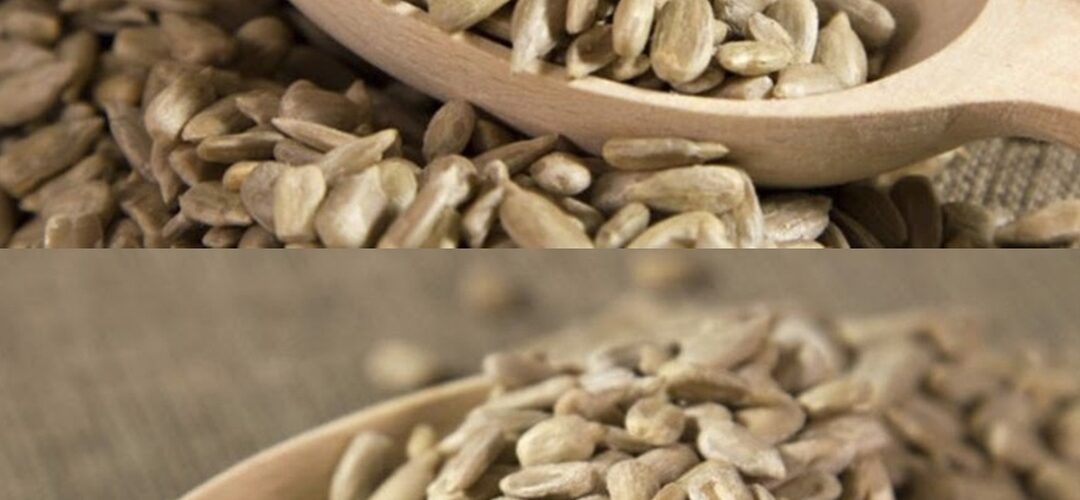
Nuts and seeds are excellent sources of vitamin E, and a higher amount of this vitamin corresponds to less cognitive decline with age.

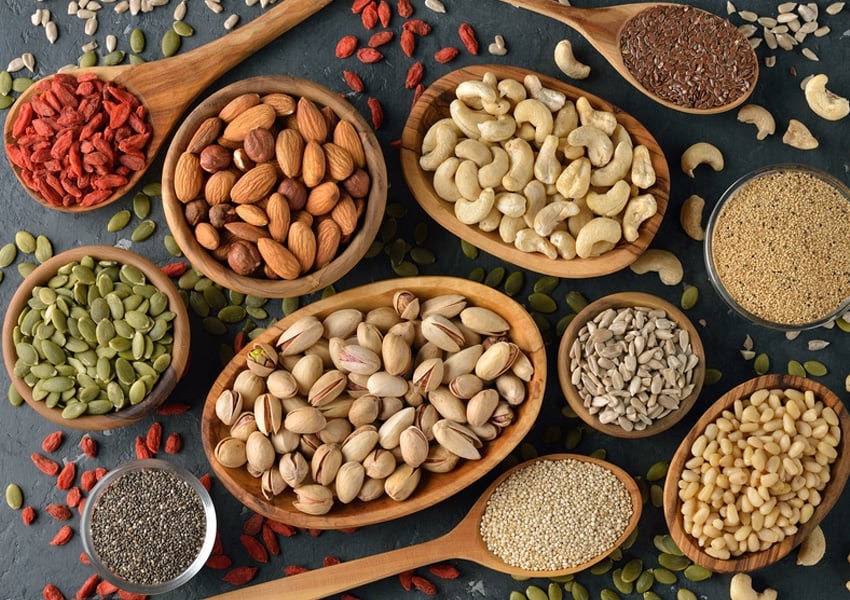
Add about 30 grams per day of walnuts, hazelnuts, Brazil nuts, pistachios, cashews, hazelnuts, sunflower seeds, sesame seeds, flax seeds and oil from non-hydrogenated fats (peanut butter, almond oil or tahini) to significantly improve your memory.
Consume them, preferably raw and unsalted, to take advantage of all their nutritional properties.
2. Avocado
Avocados are also good for memory, thanks to the monounsaturated fats they contain, extremely beneficial for the cardiovascular system.
Good blood circulation facilitates the transport of oxygen to brain cells.


The essential fatty acids contained in avocados also reduce blood pressure, with hypertension being a factor in cognitive decline.
Due to the high calorie content, experts recommend consuming a maximum of half an avocado per day.
3. Berries
Berries have the highest content of antioxidants, especially anthocyanins and flavonols, with a protective role at the level of brain cells.
A series of specialized studies have found that a diet rich in flavonoids (a type of antioxidant) can slow memory loss in humans.
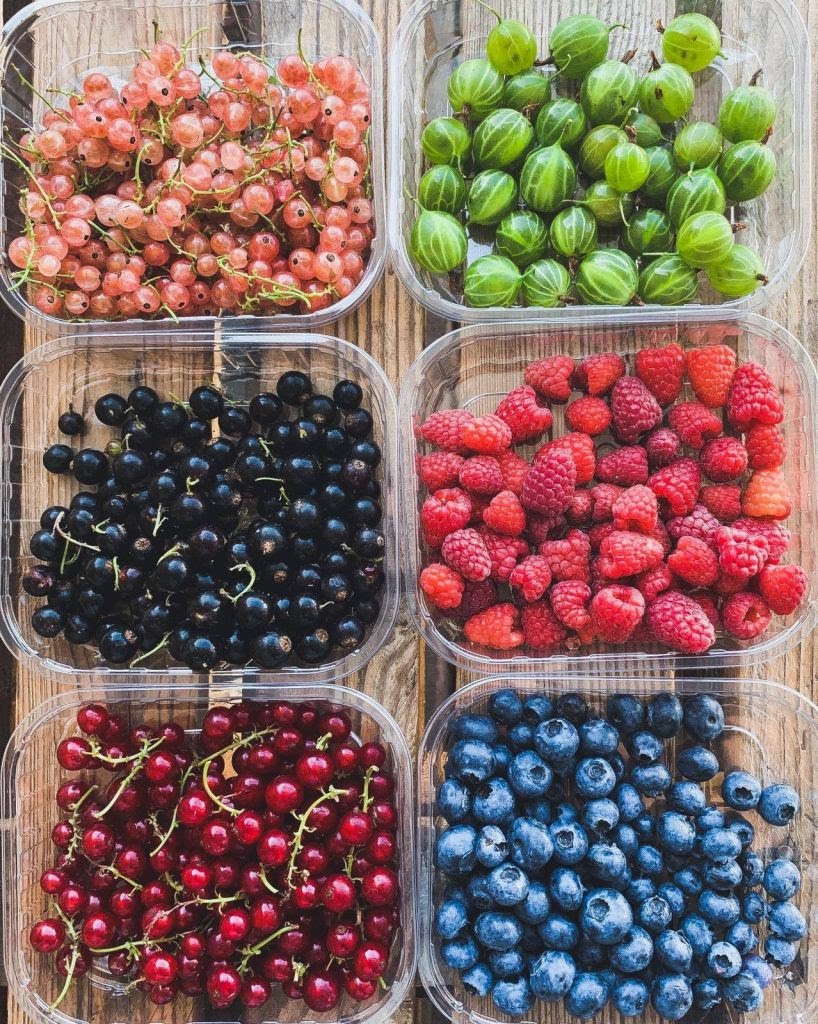
Blueberries have been linked by British researchers to improving spatial memory and learning ability.
In addition, experiments conducted on laboratory mice have shown that blueberries protect the brain from the process of cell oxidation due to stress and can control the symptoms of diseases that appear in old age, such as Alzheimer’s syndrome or dementia.
Doctors recommend consuming berries every day, in any form, fresh, frozen or dried.
4. Oily fish
Fish meat rich in essential omega-3 fats, such as salmon, sardines, herring and mackerel, effectively prevents the onset of dementia.
In a study conducted by researchers at Rush Medical University in Chicago, on a sample of 3000 participants of both sexes, it was observed that subjects with a diet focused on an increased level of omega-3 fatty acids presented a lower risk of developing cognitive impairment.


You can take advantage of the positive effects of this food by eating fish meat 3 times a week or using fish oil supplements.
5. Green leafy vegetables
Green leafy vegetables, such as spinach, kale, kale, mustard or turnips, are other foods with a positive effect on memory.


They provide a rich source of folic acid, the substance that regulates the level of homocysteine in the body (an amino acid associated with an increased risk of developing heart disease and memory deficiencies).
6. Coffee
If you are a connoisseur of the taste of coffee, scientists recommend consuming it every day. Caffeine is an excellent stimulant for memory and concentration, even if its effect is temporary.


An Australian study conducted on a sample of 7,000 people found that subjects who were over the age of 65 had better cognitive outcomes compared to those who did not drink coffee regularly.
7. Cruciferous vegetables
Cruciferous vegetables, such as cabbage, cauliflower or broccoli, have been shown to be beneficial for memory preservation in old age.


A study on these foods showed that people with a diet rich in cruciferous vegetables got better results on memory tests compared to those who avoided them.Follow our Facebook group for mutual help – We HELP everyone with tried and tested folk recipes here –
If you liked the article and useful tips from our online health portal, you can follow us and share them with your friends, as well as your opinion (or experience) in the comments!