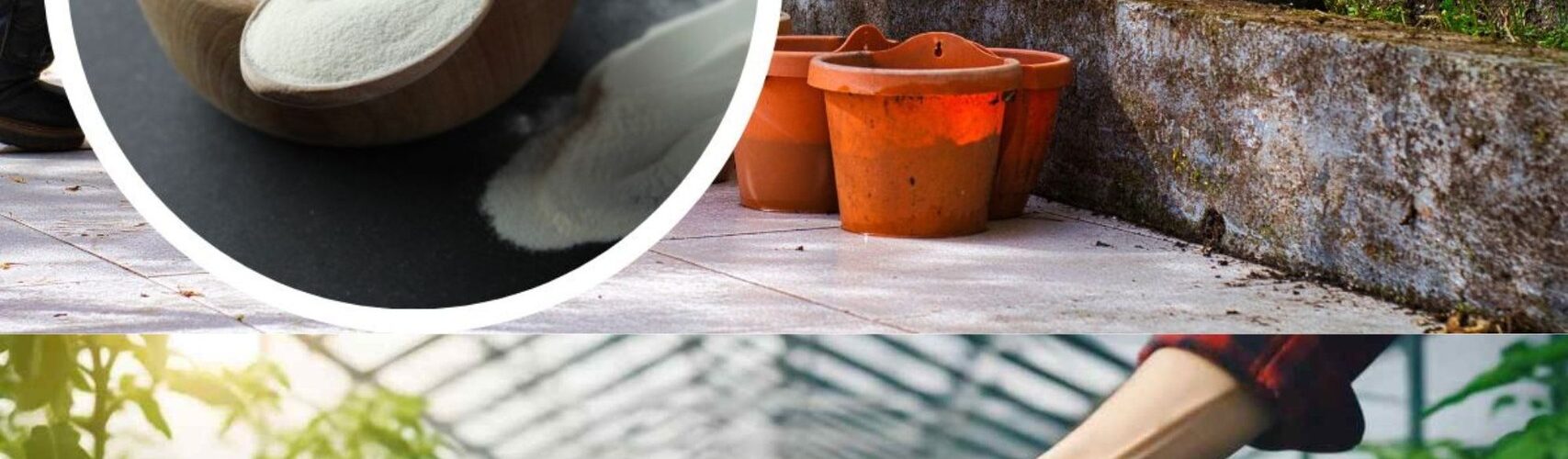
Why Choose Baking Soda?
- Natural and Non-Toxic: Baking soda is safe for plants, pets and the environment, unlike synthetic chemicals.
- Economical: It is cheap and easily accessible, ideal for budget-conscious gardeners.
- Versatile Uses: Baking soda has multiple purposes in the garden, from controlling pests to adjusting soil pH.
How to Use Baking Soda in Your Garden
- White Mold Control:
- Mix 1 tablespoon of baking soda with 1 quart of water and a few drops of liquid soap.
- Spray affected plants weekly, especially in high humidity conditions.
- Fungal Disease Management:
- Prevent damping-off in seedlings by lightly sprinkling baking soda on the surface of the soil.
- Apply directly to plants with fungal infections such as black spot on roses.
- Natural Insect Killer:
- Deter aphids and mites by spraying plants with a solution of 1 teaspoon baking soda, 1 tablespoon vegetable oil, and a few drops of liquid soap in 1 quart of water.
- Reapply weekly or after rainfall.
- Tomato Plant Booster:
- Sprinkle a small amount of baking soda around tomato plants to help reduce soil acidity and prevent blossom end rot.
- Weed Control:
- Apply baking soda to driveways and sidewalks to naturally deter weed growth.
- Soil Amend:
- Use sparingly to raise pH levels in acidic soils, benefiting plants that prefer neutral or alkaline conditions.
Tips for Safe and Effective Use of Baking Soda
- Proper Dilution: Always dilute baking soda in water or mixture as directed to avoid damage to plants.
- Small Area Test: Before widespread use, test solutions on a small area of the plant to ensure compatibility.
- Monitor Effects: Observe plant reactions after application and adjust use accordingly.
Using baking soda according to these tips will help you take care of your garden safely, economically and effectively, maintaining healthy plants and a greener environment. 🌿