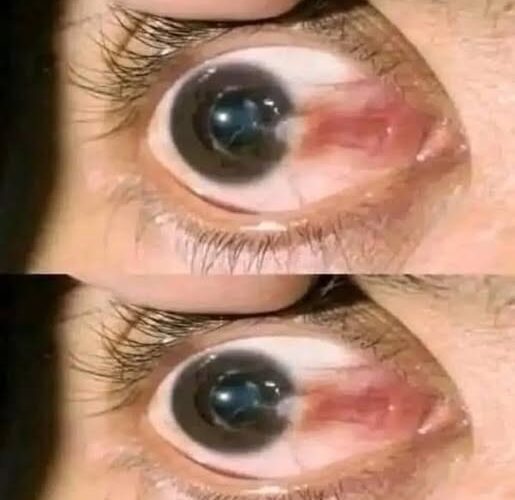
Our bodies have a unique way of communicating with us, often giving us subtle signals long before a problem becomes severe. One of the most powerful tools your body uses to send these messages is your eyes. From changes in color and shape to unusual symptoms, your eyes can be a window into your overall health. When certain signs appear in your eyes, they could be your body’s way of telling you that something is wrong. Here are some eye signals to pay close attention to:
1. Yellowing of the Eyes (Jaundice)
If the whites of your eyes, known as the sclera, begin to turn yellow, this could be a sign of jaundice. Jaundice occurs when there is a buildup of bilirubin in the body, often related to liver problems such as hepatitis or cirrhosis. It may also be a warning of gallbladder issues or hemolytic anemia. If you notice yellowing in your eyes, it’s important to seek medical attention immediately to diagnose and treat the underlying cause before it progresses.
2. Sudden Vision Loss or Blurry Vision
If you suddenly experience a loss of vision or blurred vision in one or both eyes, this could be a sign of a serious health issue. Conditions like a retinal detachment, stroke, or glaucoma can lead to sudden vision changes. In some cases, blurry vision could also be caused by high blood pressure or diabetes, both of which can affect the blood vessels in your eyes. If this happens, you should get medical help right away to avoid permanent damage.
3. Red or Bloodshot Eyes
While red or bloodshot eyes are often linked to fatigue, allergies, or irritation, persistent redness could indicate an underlying health condition. Conditions like conjunctivitis (pink eye), dry eyes, or even more serious problems like glaucoma or uveitis (inflammation inside the eye) may be at play. If the redness persists or is accompanied by pain or vision changes, you should consult an eye specialist for proper evaluation and treatment.
4. Pupils That Don’t Respond to Light
Your pupils should naturally constrict (shrink) when exposed to light and dilate (expand) in low-light conditions. If you notice that your pupils are not reacting properly or are unequal in size, this could be a sign of neurological problems, such as a brain injury, stroke, or even certain types of eye conditions. A sudden or unexplained change in pupil response is a cause for concern and warrants an immediate visit to the doctor.
5. Eye Pain or Sensitivity to Light (Photophobia)
Experiencing persistent pain in the eyes or sensitivity to light could signal a variety of issues, from simple eye strain or dryness to more serious conditions like migraines, corneal ulcers, or infections. If this sensitivity becomes severe or is accompanied by headaches or visual disturbances, it’s important to seek medical attention to determine the cause and begin treatment.
6. Floaters or Flashing Lights
Occasional floaters (small dots or lines that seem to drift through your field of vision) are common and typically harmless. However, a sudden increase in floaters or seeing flashing lights can be a warning sign of retinal detachment or a tear in the retina. If you notice these symptoms, it’s crucial to get to an eye doctor immediately to avoid permanent vision loss.
7. Drooping Eyelid (Ptosis)
A drooping eyelid may not seem alarming at first, but it can indicate a number of underlying conditions, including neurological disorders, muscle problems, or even a sign of a stroke. Ptosis (the medical term for a drooping eyelid) can also occur as a result of aging, but if it occurs suddenly or affects your vision, it’s essential to have it checked by a healthcare provider.
8. Chronic Itching or Burning Sensation
If your eyes are constantly itchy or feel like they’re burning, this could be a sign of an allergic reaction, dry eyes, or even an infection. Chronic discomfort could also point to autoimmune conditions like Sjogren’s syndrome, which causes dry eyes as a symptom. Ignoring this discomfort could worsen the problem, so it’s best to see a doctor for a proper diagnosis.
Conclusion
Your eyes are not just for seeing—they’re also indicators of your overall health. By paying close attention to the signals your eyes are sending, you can catch potential health issues early and seek treatment before they become more serious. If you experience any of these signs or symptoms, don’t hesitate to seek medical attention.
Taking care of your eyes and your health should always be a priority. If you found this post helpful, please share it with your friends and family and don’t forget to like our page for more health-related tips and insights!