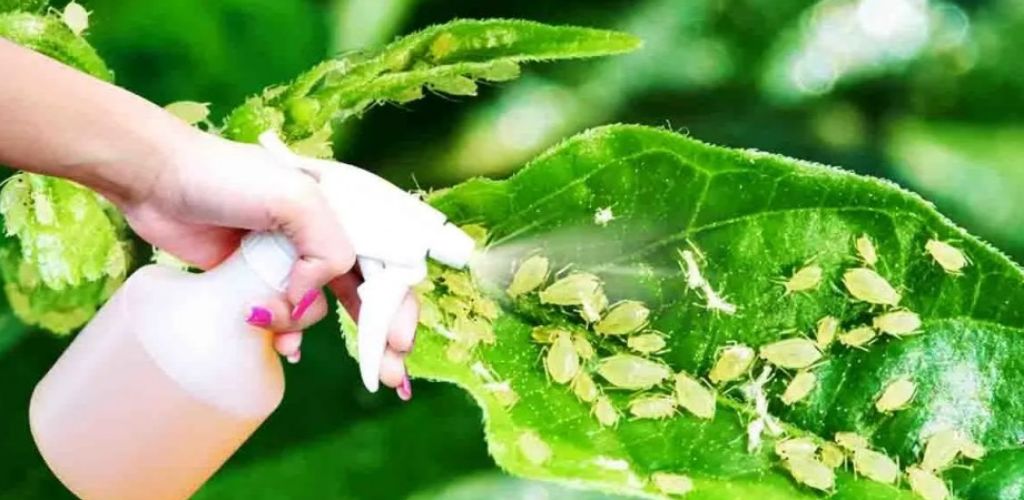
Mites, midges, caterpillars, scale insects, thrips, snails… Many small insects that can invade our horticultural plants and hide on the roots, branches, shoots or even under the leaves of our plants. These insect pests often form colonies that become difficult to eradicate in the long term. Furthermore, infested plants weaken and may suffer deformation, drying, cracking of the bark or loss of leaves. In reality, the attacked plants can undergo progressive degradation and become vulnerable to diseases. In this article, learn how to get rid of aphids with natural pesticides.
Aphids can settle on the roots, stems and leaves of your favorite plants. Some plants such as fruit trees, blackcurrants, conifers, roses or even nasturtiums are particularly vulnerable to aphid infestation. In the fall, sexual aphids emerge and begin laying black eggs that overwinter until spring. This is how aphid colonies can appear and attack your cultivated plants. To fight these harmful insects without using chemicals that are harmful to the environment, here are the natural solutions.
Natural pesticides to eliminate aphids
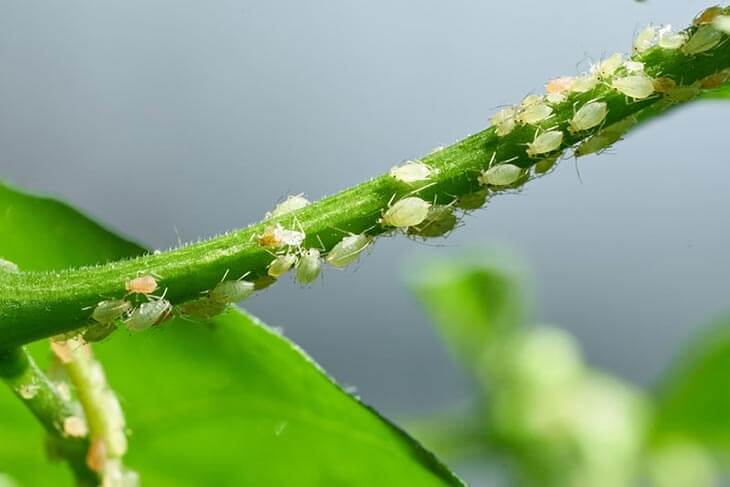
To conduct an ecological fight against parasites such as aphids, there are formidable biological pesticides. These natural remedies can be used both as a preventative treatment against aphids, but also as a repellent to effectively drive them away. Here are some aphid treatments you can use to put an end to their infestation:
- Tobacco

As all gardeners know, aphids are very difficult pests to eliminate. To combat the proliferation of these insects and protect your vegetation, you can use brown tobacco. Very effective in eradicating a colony of aphids, this natural insecticide is both economical and ecological. To use it you must first macerate the tobacco in water, leave to rest for 3 hours and filter the mixture. For 1 liter of water you need approximately 100 grams of tobacco. Leave it to rest for 2 or 3 hours before spraying the liquid on plants devastated by unwanted insects.
- A decoction of garlic
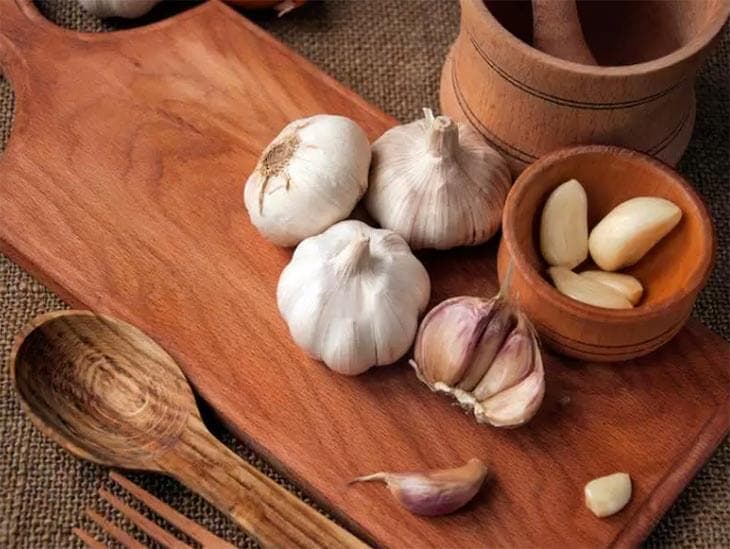
Aphids fear strong odors like garlic. To put an end to the invasion of these parasites, pour 6 cloves of garlic in 1 liter of water, then boil the mixture. When the mixture becomes warm, add 3 drops of dish soap to allow the product to adhere to the plant, then spray the solution on the plants to control pests.
- An onion infusion
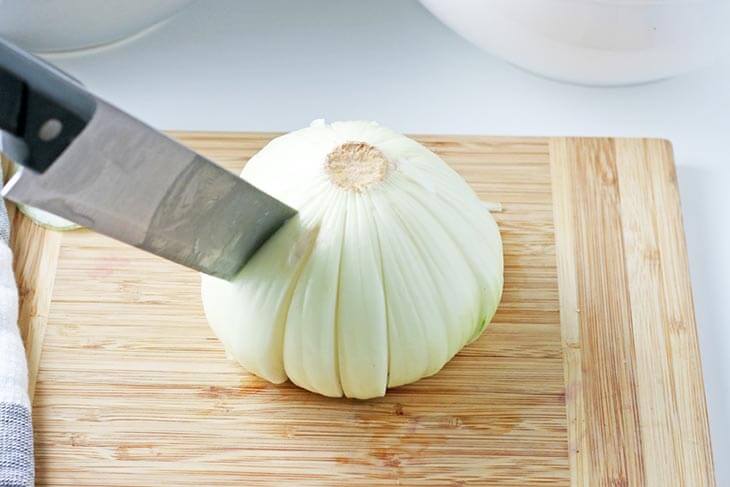
Onion juice is a natural insecticide that eliminates pests from our garden. To repel aphids, simply place 4 finely chopped onions in a container filled with a liter of water and then leave the mixture to macerate overnight. The next day, strain the solution and then pour the liquid into a spray bottle. Spray onion juice on plants to eradicate aphids.
- Nettle manure
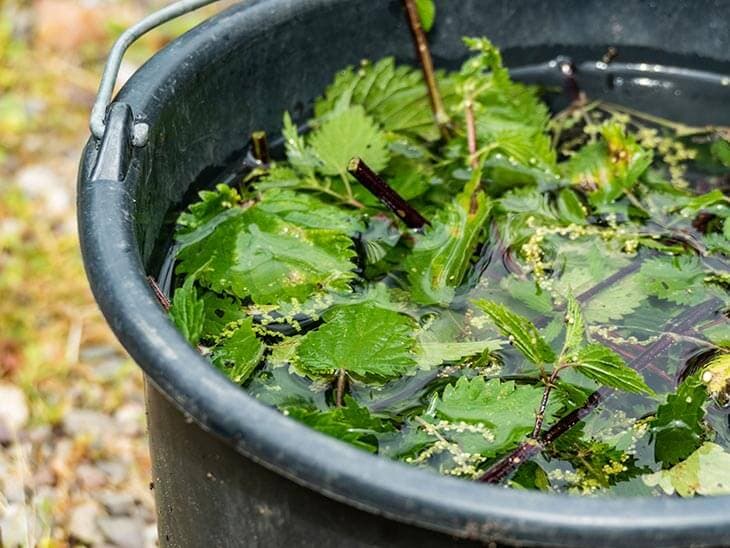
Nettle manure is considered a natural fertilizer and a formidable pesticide. Be careful though, as nettles are rich in nitrogen, this product should never be used without diluting it, risking burning the roots of the plants. To prepare nettle manure, mix 1 kg of nettles with 10 liters of water, then cover the mixture for two weeks, stirring it daily. Then spray the mixture on the infested plants to eliminate the aphids.
- White vinegar
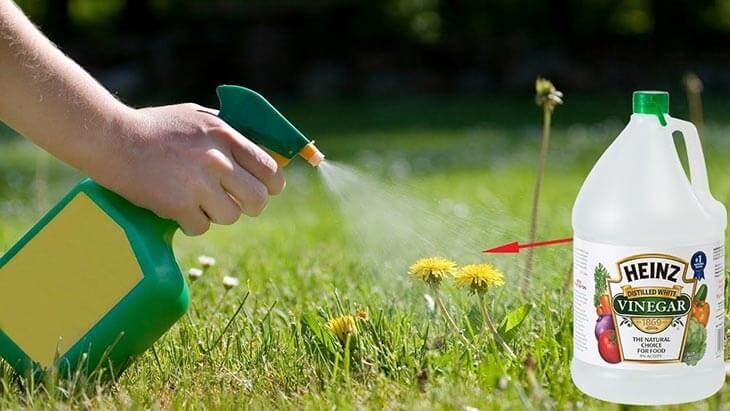
Praised as an excellent cleaner, white vinegar is also useful for the environment. To repel aphids, mix 2 liters of water and 5 tablespoons of white vinegar. Do not exceed this dose because the acidity of vinegar is high for plants. Water your plants with this solution early in the morning and in the evening to keep unwanted small insects away. Do not water plants with this product during the day as the sun will burn the plants.
Now you know how to control aphids. Don’t hesitate to use these repellents as a preventative treatment and protect your plantings throughout the year.