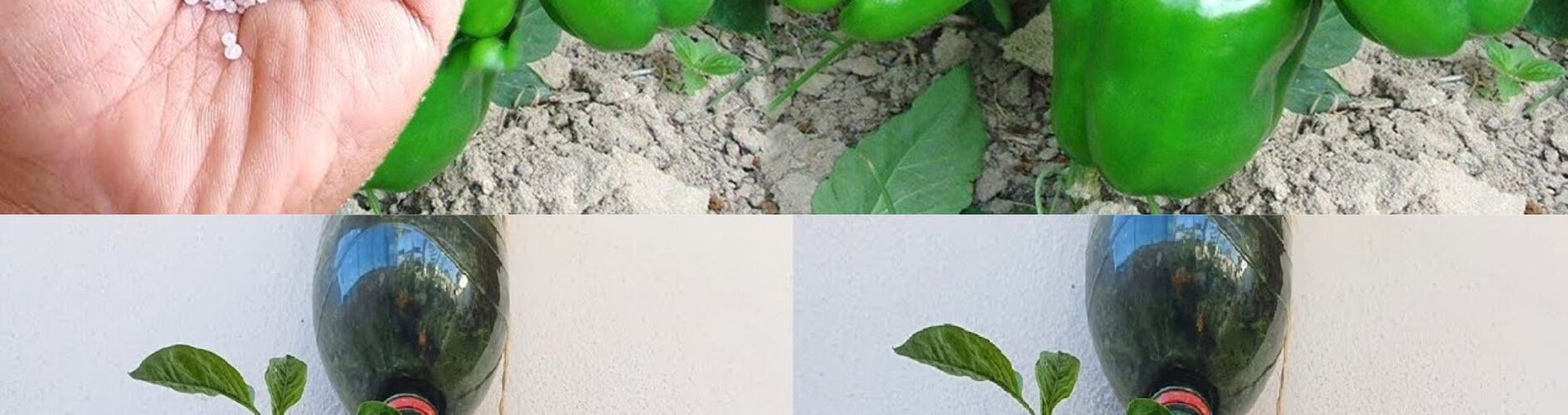
Do you want to know how to get a very rich pepper harvest? All you have to do is read our tips on this specific topic. Here are all the details on the subject.
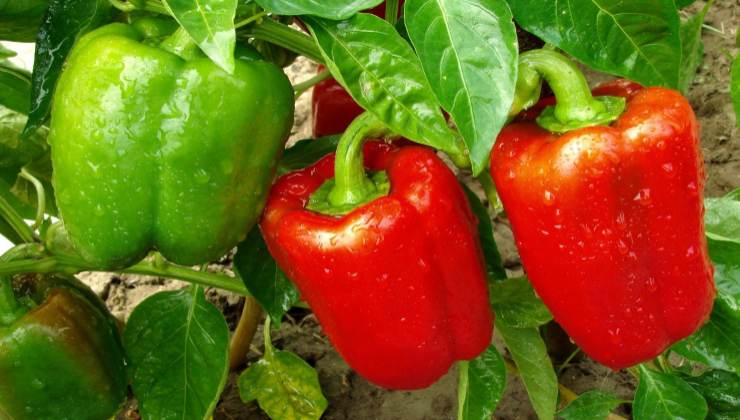
Peppers grow from the flower of the plant concerned. They can therefore be considered as real fruits, because inside them there are seeds. However, not all people put peppers in this macro category. Peppers, in fact, are considered vegetables, like tomatoes and eggplants.
In addition to these technical aspects related to the classification of peppers, they are used in the kitchen to make tasty recipes. They are perfect to be enjoyed as starters or side dishes, but also as an ingredient in the preparation of spectacular first or second courses.
The beneficial properties of peppers are numerous. Adequate consumption of peppers, in fact, improves the cardiovascular system and helps the body to purify itself. Peppers have remarkable anti-inflammatory and antioxidant principles and, in addition, are rich in vitamin C and vitamin A. The fiber in peppers therefore also guarantees benefits for the intestine.
Peppers are also safe to grow in your garden, as long as the soil has a pH between 5.5 and 7 and is rich in nutrients.
Do you want to know how to get a consistently thriving pepper harvest in your garden? Here’s everything you need to know about this particular topic.
Abundant pepper harvest: this is the ideal method
Peppers must be grown in a “protected” area. We refer to a greenhouse or a specific location in your garden. Optimal and frequent control of climatic conditions is essential to ensure that the pepper plant grows healthy and safe.
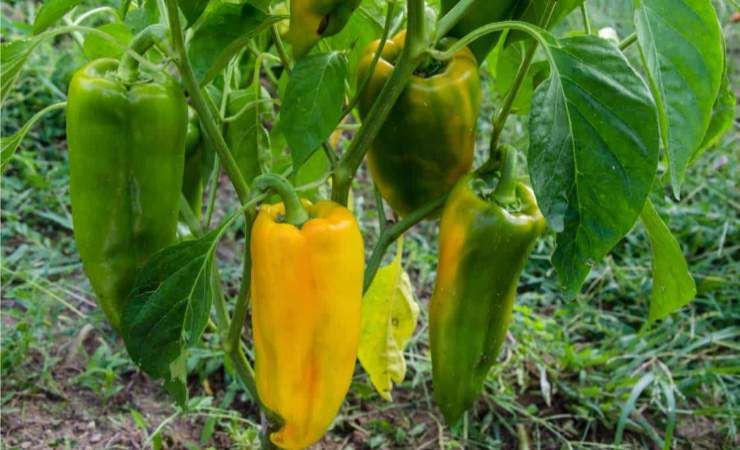
Those who take care of a vegetable garden know how essential it is to pay attention to all aspects, from irrigating and feeding the plant to controlling the presence of pests and other pests.
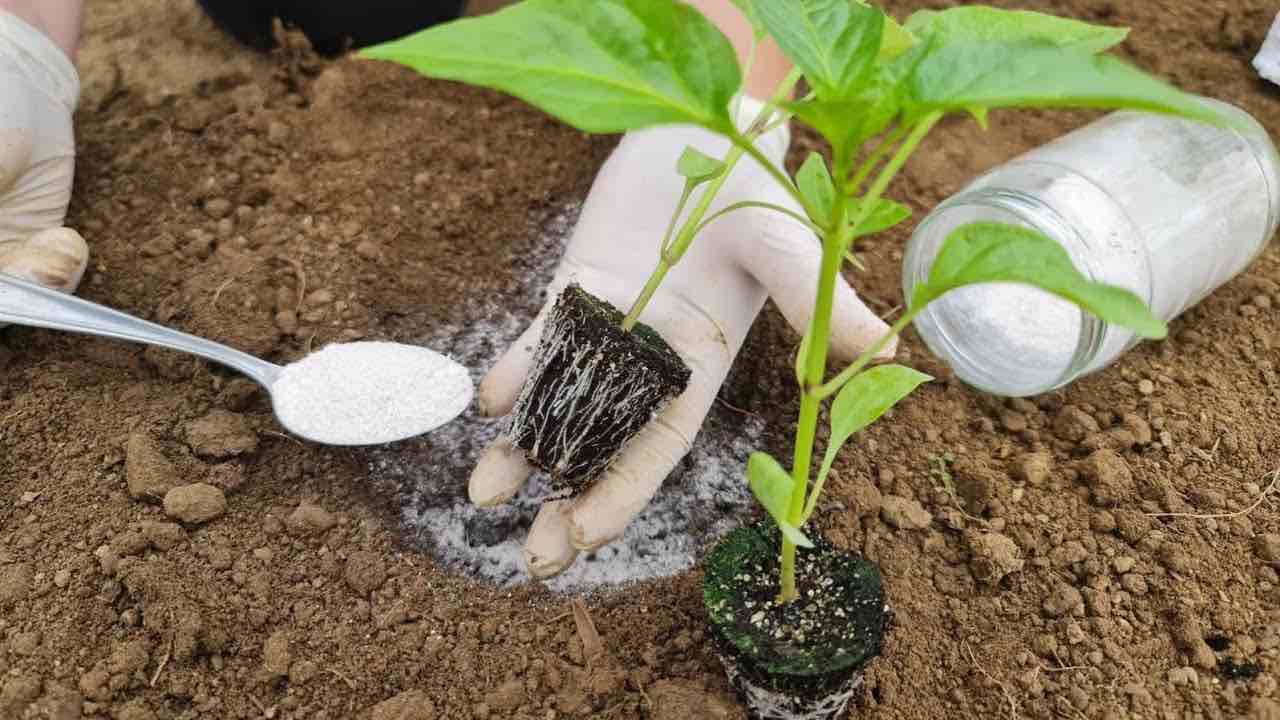
The first thing to do, of course, is to prepare the soil on which to plant pepper plants. It will be necessary to choose the right fertilizer for the cultivation of these elements. Manure or humus is, without a doubt, the best natural fertilizer to choose for the cultivation of these plants.
Peppers love potassium and calcium. It will therefore be advisable to choose a soil filled with these substances, in case you do not have manure available. Peppers, however, need abundant organic matter.
All organic substances will have to be mixed evenly in the soil. Only in this way will the roots develop in the best possible way and without any obstacles. Let’s find out more useful tips for the ideal cultivation of pepper plants. Here is all the information on the subject.
Growing pepper: here are some targeted tips
If you want to grow more pepper plants, it will be important to leave adequate space between each one. Flower beds should not be made very high, as the water at the time of cultivation will be appropriate to be in contact with the plant and as much as possible on the surface.
To better irrigate your garden and, consequently, also the pepper plants, it will be very important to set up a drip irrigation system.
To better protect your pepper plants, it will then be necessary to carry out the mulching operation. What does it consist of? By covering the free soil in the spaces around the different plants, using plastic material. Light will come to the ground with less force, and weeds won’t grow around your grown plants.
It will also be advisable to spray a natural systemic fungicide, which allows you to protect all your cultivated plants as much as possible. The attack of pests and pests, in fact, risks deteriorating the leaves and compromising your work in the garden.
From the moment they are born, seedlings need extra care and attention, so that they are not attacked by parasites and do not get sick easily. So always remember that peppers require plenty of watering, especially during development. As mentioned, therefore, fertilization must be very massive before sowing.
If you put all of these tips into practice, you’ll get a rich and bountiful crop of peppers. Don’t underestimate the valuable advice we’ve given you in this article.