Introduction
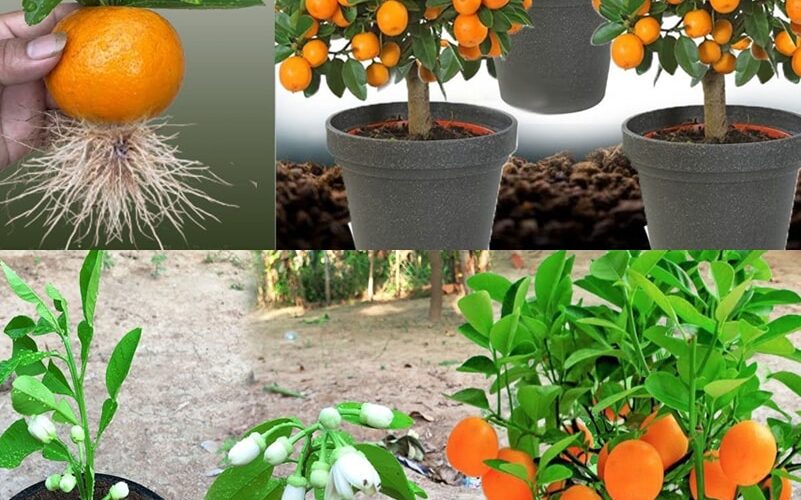
Tangerines are a delicious and nutritious citrus fruit that can be easily grown in your garden. Whether you are an experienced gardener or a beginner, these 10 essential tips will help you cultivate healthy tangerine trees and enjoy sweet and tangy fruits straight from your backyard.
1. Choose the Right Tangerine Variety
Selecting the right variety of tangerine for your climate is crucial. Popular types include Clementine, Satsuma, and Mandarins. Research the specific requirements for each variety to ensure it will thrive in your area, and choose one that best fits your growing conditions.
2. Find the Ideal Location
Tangerine trees need plenty of sunlight to produce sweet and juicy fruit. Choose a spot in your garden that receives at least 6 to 8 hours of direct sunlight per day. A location with good air circulation is also important to help prevent diseases.
3. Prepare the Soil
Tangerines prefer well-drained soil with a slightly acidic to neutral pH (6.0-7.0). To improve soil texture and nutrient content, amend the soil with organic matter such as compost or well-rotted manure. This ensures healthy root development and better fruit production.
4. Planting Tangerine Trees
Plant your tangerine tree during the spring or early fall when the weather is mild. Dig a hole twice the size of the root ball and place the tree at the same depth as it was in the nursery container. Water it thoroughly after planting to help establish roots.
5. Consistent Watering
Establish a regular watering schedule for your tangerine tree. Tangerines require consistent moisture, especially during the growing season. Water deeply when the top inch of soil feels dry, but avoid overwatering, which can lead to root rot.
6. Apply Mulch for Moisture Retention
Applying a layer of organic mulch around the base of the tree helps retain moisture, regulate soil temperature, and reduce weed competition. Keep the mulch a few inches away from the tree trunk to prevent moisture buildup, which can cause rot.
7. Fertilization for Optimal Growth
Feed your tangerine tree with a balanced citrus fertilizer according to the instructions on the label. Typically, you should apply fertilizer in late winter and late spring. Avoid over-fertilizing, as this can harm the tree and reduce fruit yield.
8. Pruning for Healthier Growth
Prune your tangerine tree to maintain its desired shape, remove dead or diseased branches, and improve air circulation. Pruning should be done at the end of winter or early spring, before the new growth starts.
9. Pest and Disease Control
Watch out for common citrus pests like aphids, scale insects, and leaf miners. Regularly inspect your tree for signs of diseases, such as citrus canker or fungal infections, and treat them immediately to prevent further damage.
10. Harvesting Your Tangerines
Tangerines are ready to be harvested when they reach their full color and detach easily from the tree with a gentle pull. Avoid pulling the fruit to prevent tree damage. Harvesting typically takes place in late fall or early winter, depending on the variety.
Conclusion
Growing tangerines in your garden can be a rewarding experience, providing you with fresh, homegrown fruits that are both delicious and healthy. By following these 10 tips, you can ensure your tangerine tree remains healthy, productive, and capable of yielding a bountiful harvest of sweet and tangy citrus fruits.
Don’t forget to like, share, and follow our page for more gardening tips and health-related content! Stay tuned for more exciting posts to help you cultivate your best garden yet.