Have you ever thought that you could have in your home, instead of classic plants such as geranium, ficus and philodendron, a beautiful and lush lemon plant< /span> , from which you can collect tasty fruits?
It is not an impossible mission, growing a lemon tree in a container is more than feasible , even for people who think they do not have a green thumb. In addition, the plant will not only offer you its fruits, but in spring it will decorate your home with beautiful and fragrant white flowers.
It is not necessary to know many things, as with other plants, there are some basic notions, for example: should a lemon tree be pruned? Should it be left outside all year round? We explain everything to you!
In short, don’t worry, you can have a lemon tree at home, obviously we advise you to buy an organic lemon tree. Let’s see together the 7 secrets to have a magnificent lemon tree in a pot.
1) How to plant them
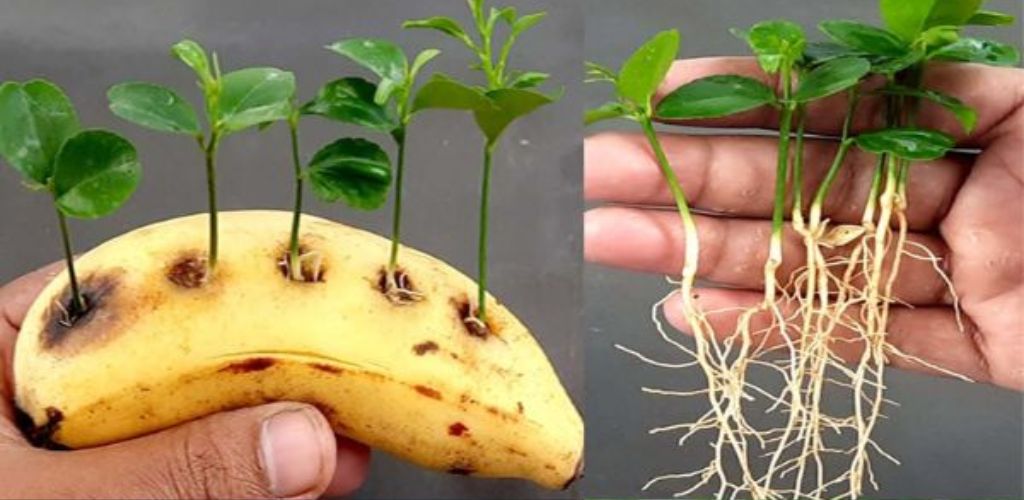
Yes, you understood correctly, plant them. It is not necessary to go buy a plant that has already sprouted, just plant the seed of a fresh lemon tree. You will need a deep pot , at least 30 cm, and nutrient-rich soil.
Fill the pot with soil and put the seed 8-10 cm deep and then water. After about 4-6 weeks it will start to sprout, let it grow at least 15-20 cm and then transplant it. The best time to do this is early spring as there should be no more frost, but that depends on where you live.

2) How to face winter
Like many plants, the lemon tree does not like temperatures that are too rigid, so a fundamental rule will be to bring it indoors from the first days that are too cold. Of course, avoid too dry environments in the house because the lemon tree needs humidity. If you want to do things right, there are tarpaulins on the market to protect the plant during the winter. The important thing is that it is not kept at temperatures below 12 C°.

3) Fertilization
Like all citrus trees, the lemon tree needs soil rich in mineral salts , such as nitrogen, phosphorus and potassium. The most important thing is especially in spring, when the plant is preparing to bear fruit, but it is better to dose them well throughout the year. The other mineral elements you will need are iron, zinc, copper, magnesium and molybdenum. Like all plants, a fundamental element will be the presence of other elements of plant and animal origin and in this way you can add your compost, but without exceeding 10%.

4) Transplant
Like all plants, lemon trees grow. The pot will need to be repotted to allow room for the roots to grow. The best time to do this is late spring or early summer. When the plant is young it should be done every two or three years, and when it is adult every four years. The definitive transplant will be when you have a 70/80 cm diameter pot. An important tip is avoid plastic pots , prefer stone or terracotta ones.

5) Size
Pruning should have safety, aesthetics and health as objectives. It must respect the natural form, without being too invasive, otherwise the plant will suffer and may even die. The ideal period is late winter or early spring, that is, late February or March. Cut each new shoot in half, being careful to cut just above a leaf. Remove dead wood as you go and ventilate the inside of the lemon tree if necessary to restore light so it can circulate well throughout the plant.

6) Irrigation
The lemon tree is a plant that needs to be watered regularly , without excesses and without having periods of drought. Avoid stagnation of water, you should check that the soil always stays a little moist. At the end of spring, when you will see the first flowers, you will have to intensify watering , until the fruits ripen at the end of summer. Remember that yellow leaves indicate that the plant lacks water.

7) Parasites
Like all plants, the lemon tree can be affected by parasites, which compromise its health. One of these pests, which should be paid attention to, is a fungus , which directly attacks the plant and causes the branches and leaves to rot. dry. To eliminate it, you will have to cut off the infected branches . There is another fungus that hits the bark and produces dark rubbery formations, which descend to the roots causing them to rot; In this case the remedy will be to remove the pieces of diseased bark and put copper salts on the wounds. To eliminate the so-called mealybugs, you will need to cut the white patina from the leaves and apply alcohol with a cotton ball. You now have everything you need to eat organic lemons in the center!
