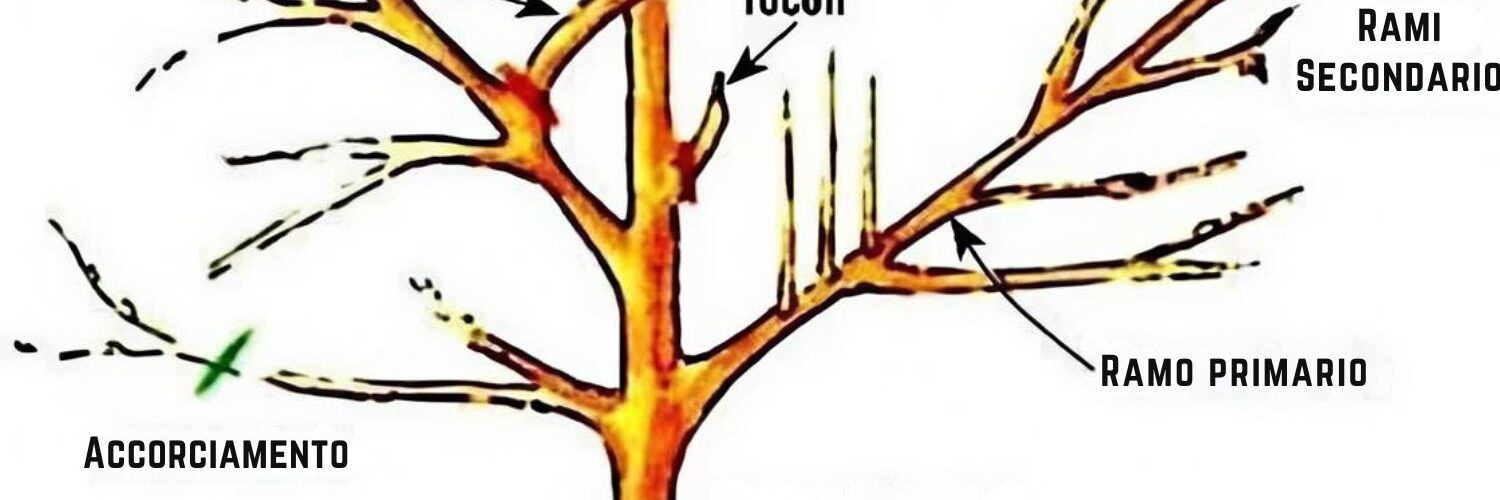
Proper pruning includes thinning, shortening, eliminating suckers and crossed branches to ensure a strong and productive structure.
Pruning is an essential technique for managing fruit trees, as it allows you to optimize fruit production and maintain the health of the tree.
Some key elements of pruning are:
🧑🌾 Terminal and lateral buds: They determine the growth of new branches. Terminal buds are important for branch elongation, while lateral buds can produce flowers and fruit.
🧑🌾 Crossed branches: They should be removed to avoid competition between branches and improve light entry.
🧑🌾 Suckers: These are vigorous branches that grow from the base or main trunk, but do not contribute to fruit production and therefore must be cut.
🧑🌾 Thinning: Remove unnecessary branches to ventilate the tree and prevent disease.
🧑🌾 Shortening: Technique to keep the size of the tree under control and stimulate the growth of lateral shoots.
✅🧑🌾 Remember to prune your trees during the dormant period for best results. Proper pruning increases fruit production and keeps the tree in optimal condition.