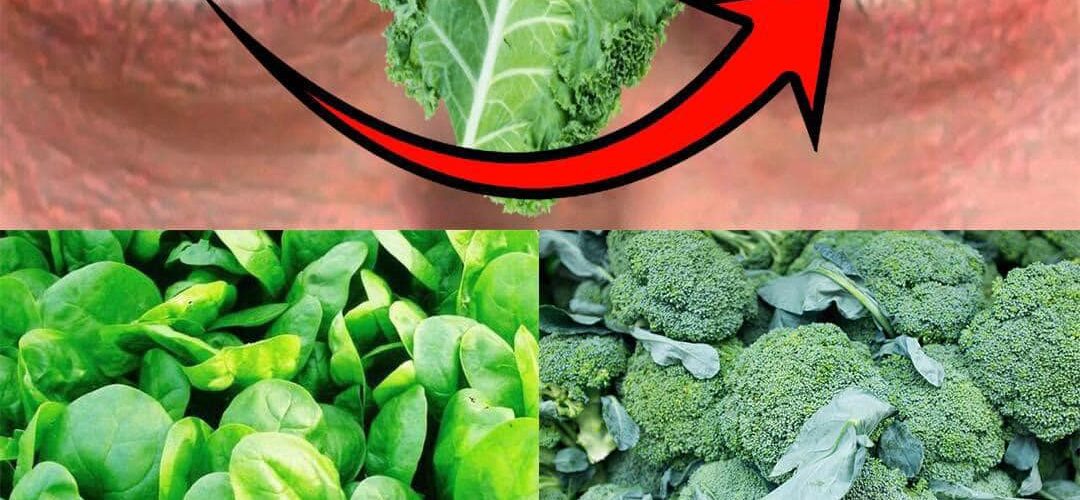
As we age, eye health can begin to deteriorate, leading to discomfort and vision problems, such as dry eyes, cataracts, or blurred night vision. While many people may think this is an inevitable part of aging, certain nutrients can help maintain eye health and even prevent vision deterioration. Here, we’ll discuss five amazing leaves rich in essential nutrients that contribute to better eye health.
1. Nori (Seaweed)
Nori, a type of seaweed often used in Japanese cuisine, can be an unexpected but powerful addition to your diet. Rich in omega-3 fatty acids, nori helps maintain the fatty layer of the tear film, which is essential for eye lubrication. Omega-3s can reduce the risk of age-related macular degeneration and cataracts by up to 30%. In addition, omega-3s prevent the formation of abnormal blood vessels in the retina, which is beneficial for people with diabetes or high blood pressure, conditions that could damage vision.
If you find it difficult to get your hands on nori, other foods such as salmon, sardines, flaxseeds, chia seeds, and olive oil can also provide significant amounts of omega-3s.
2. Spinach
Spinach is famous for its high content of lutein and zeaxanthin, two powerful antioxidants that act as natural sunscreens for the eyes. These compounds filter out harmful blue light and protect eye tissues from damage caused by sun exposure. The antioxidants in spinach help fight free radicals, reducing the risk of cataracts and delaying the onset of age-related macular degeneration.
In addition, spinach is also rich in vitamins A, C and the mineral zinc. Vitamin A is essential for maintaining corneal health and ensuring that the optic nerve and retina are functioning optimally, which helps night vision and overall eye health. Zinc supports structural retinal health and may help prevent night blindness.
3. Broccoli
Broccoli shares many nutritional properties with spinach, making it another excellent choice for eye health. Broccoli, packed with vitamin A, lutein, zeaxanthin, and vitamin C, contributes to the maintenance of a healthy cornea and retina. Vitamin A helps produce pigments in the retina and improves light absorption, which is essential for clear vision. This nutrient is also essential for the proper functioning of the optic nerve.
Broccoli is also a great source of vitamin E and zinc, which are key elements in protecting the eyes from oxidative stress. Together, these nutrients ensure that the eyes are protected from potential damage, promote clear vision, and maintain overall eye function.
4. Kale
Kale is another leafy green vegetable that deserves attention for its eye health benefits. Like spinach and broccoli, kale is rich in lutein, zeaxanthin, vitamins A and C, and zinc. Vitamin C is especially vital for eye health, as it supports the integrity of eye structures and helps prevent oxidative damage. Aqueous humor (the fluid in the eye) contains a high concentration of vitamin C, up to 20 times higher than that found in the blood.
Regular consumption of kale can also provide an extra supply of vitamin E, known for its antioxidant properties. This vitamin helps maintain the health of the macula, lens and eye muscles, reducing the risk of developing cataracts and protecting the eyes from the effects of aging.
5. Orapronobis (Pereskia aculeata)
Orapronobis is a leaf that may be less well known but has notable benefits for eye health. Rich in lutein, zeaxanthin, vitamins A, C, E, and zinc, this leaf acts as an integral ally to protect the eyes. Vitamin E, in particular, strengthens the eye muscles and preserves the health of the macula, helping to prevent conditions such as presbyopia (age-related farsightedness) and blurred vision.
In addition to vitamins, orapronobis is rich in folic acid and iron, which supports overall well-being and eye health. Its combination of nutrients helps protect the eyes from oxidative stress and premature aging, ensuring better long-term vision.