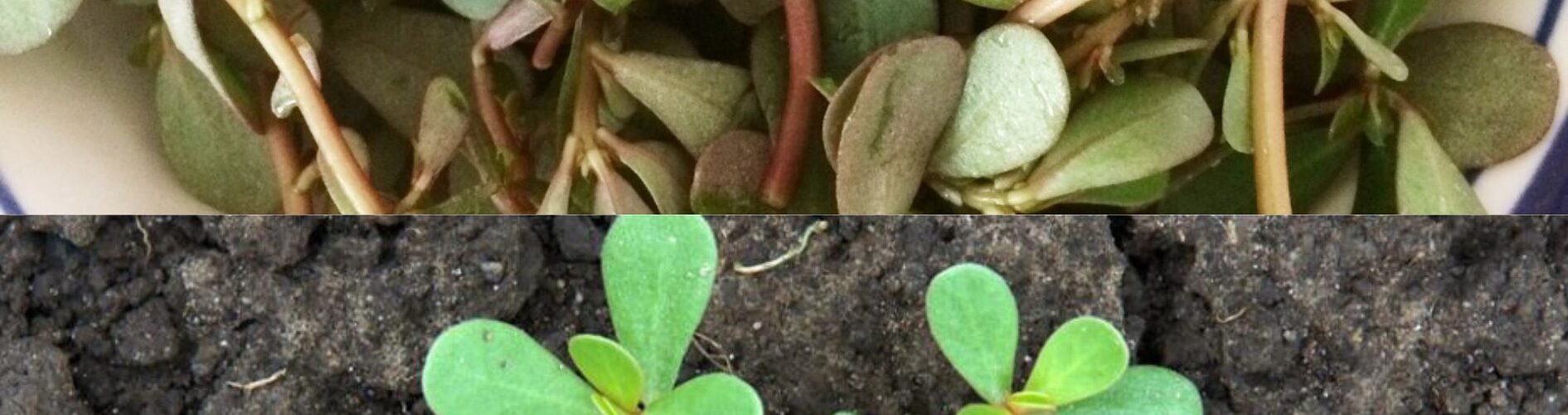

Purslane is a plant that grows in almost all of Italy and offers dozens of health benefits. Known by various names, including porcellana and porcacchia, its scientific name is purslane oleracea.
This excellent therapeutic herb was used by our ancestors to prevent and treat many health problems, such as nausea and fever. Below we list the main properties of purslane.
Heart
This plant is very rich in omega-3, which is essential for promoting the proper functioning of the cardiovascular system, lowering cholesterol and promoting blood circulation.
Diuretic
Drinking purslane aids urine production and general kidney function. Thanks to this property, it allows us to expel residues and harmful elements from the body.
Antiinflammatory
The composition of the plant, which is rich in mucilage, also has anti-inflammatory effects and can help relieve inflammation caused by infections.
Antiseptic and antifungal
Purslane helps block the growth of certain bacteria, thus increasing defenses. It can also be used to control fungi and pests.
Diabetes
According to recent studies, purslane may reduce blood sugar levels, being a very beneficial vegetable for people with diabetes.
Anaemia
The vitamins, minerals, and amino acids in purslane can help improve the symptoms of anemia.
Antioxidant
Purslane contains compounds such as betalain, which have antioxidant properties that can reduce cell damage and counteract the effects of free radicals.
How to recognize and use purslane
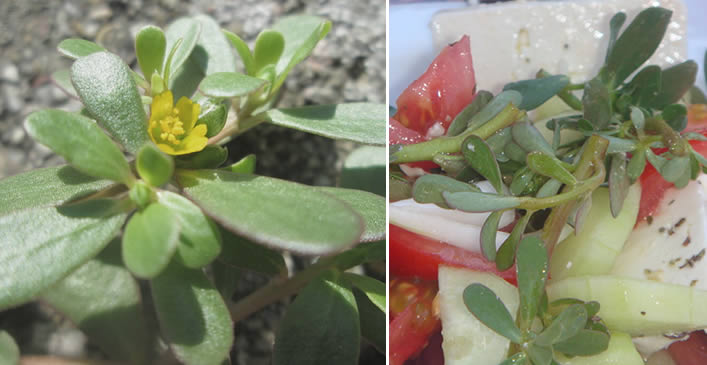
Purslane is a spontaneous plant and, as such, it must be recognized. Purslane resembles a creeping plant, with fleshy, smooth leaves and reddish stems.
This plant can be eaten raw, on its own or in salads. It is advisable to choose the youngest branches, as they are more tender and tasty. The stem should be avoided: although edible, it is too hard and has a less pleasant flavor.
Share article