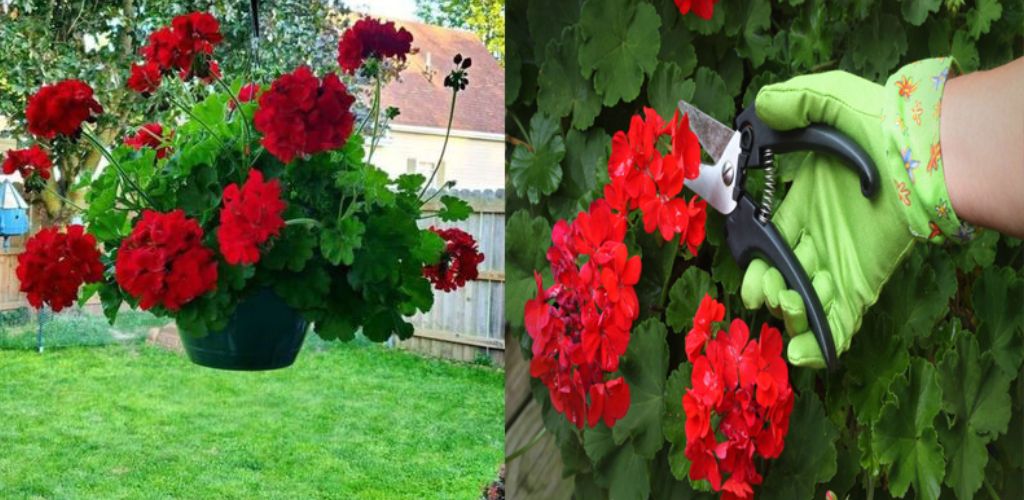
Importance of pruning in geranium care
Geranium, a popular plant in gardens and pots, requires certain care to achieve spectacular flowering. One of the key aspects of geranium care is proper pruning. Pruning not only improves the plant’s appearance, but also encourages healthy growth and abundant flowering. Below, we’ll explore the best times to prune and learn how to prune correctly.
Best times to prune geranium
Geranium can be pruned at different times of the year for best results. Below, we present the ideal times to prune your geranium:
- Spring: Early spring is an optimal time to prune geraniums. After a winter’s rest, spring pruning helps stimulate growth and prepare the plant for spectacular flowering during the warmer months.
- After flowering: Another favorable occasion for pruning is after the main flowering. By trimming spent flowers and longer branches, you promote new growth and prevent the plant from becoming exhausted.
Benefits of pruning geraniums
Regular pruning of geranium offers several significant benefits to the health and appearance of the plant:
- Stimulates growth: By pruning your geranium, excessive growth is removed and the production of new shoots and flowers is stimulated.
- Improves shape and appearance: Pruning helps maintain a compact and tidy appearance, which contributes to the geranium’s overall aesthetic.
- Prevents diseases and pests: By removing damaged or diseased parts of the plant, the chances of spreading diseases and pests are reduced.
Geranium maintenance pruning
Maintenance pruning is essential to ensure that your geranium remains healthy and blooming abundantly over time. Here are some steps to follow for geranium maintenance pruning:
- Inspect the plant: Before beginning pruning, examine the geranium for damaged, wilted or diseased branches. Also remove any wilted flowers.
- Trim longer branches: Use clean, sharp pruning shears to cut longer branches. Trim just above a leaf node to encourage new shoot growth.
- Ensure proper balance: While pruning, try to maintain a balance between the longest and shortest branches. This will help maintain a compact and harmonious shape.
Geranium rejuvenation pruning
If your geranium has become overgrown and woody, rejuvenation pruning may be necessary. This type of more drastic pruning will help revitalize the plant. Follow these steps to perform rejuvenation pruning:
- Wait until the end of winter: Rejuvenation pruning is preferably done in late winter or early spring, before the plant begins to sprout.
- Trim all woody branches: Use pruning shears to trim all woody branches, leaving just a few inches of stem above the ground.
- Provide additional care: After rejuvenation pruning, be sure to provide the geranium with adequate watering and additional nutrients to aid its recovery.
How to properly prune geranium for spectacular flowering
To properly prune your geranium and achieve spectacular flowering, follow these essential tips:
- Use clean, sharp tools: Be sure to use clean, sharp pruning shears to avoid damaging the plant.
- Cut just above the leaf nodes: When making cuts, make them just above the leaf nodes to encourage new shoot growth.
- Don’t overcut: Avoid trimming more than the top third of the plant, as this could weaken it and affect its ability to flower.
- After pruning, water and fertilize properly: After pruning, provide the geranium with adequate watering and balanced fertilizer to encourage growth and flowering.
By following these tips and choosing the right time to prune, your geranium will bloom spectacularly, filling your garden or pot with beautiful colorful flowers.