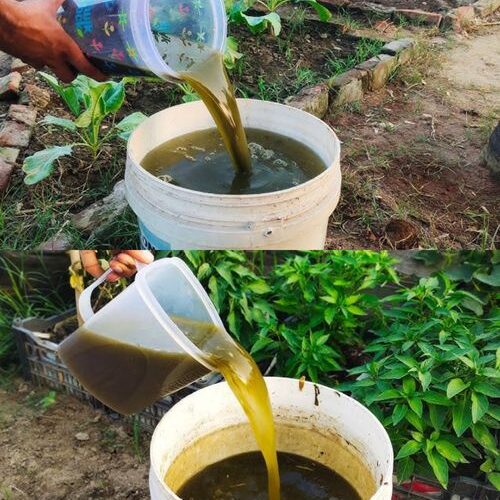
Do the plants on the balcony struggle to bloom and don’t seem lush? Here is the natural remedy that you can no longer do without.
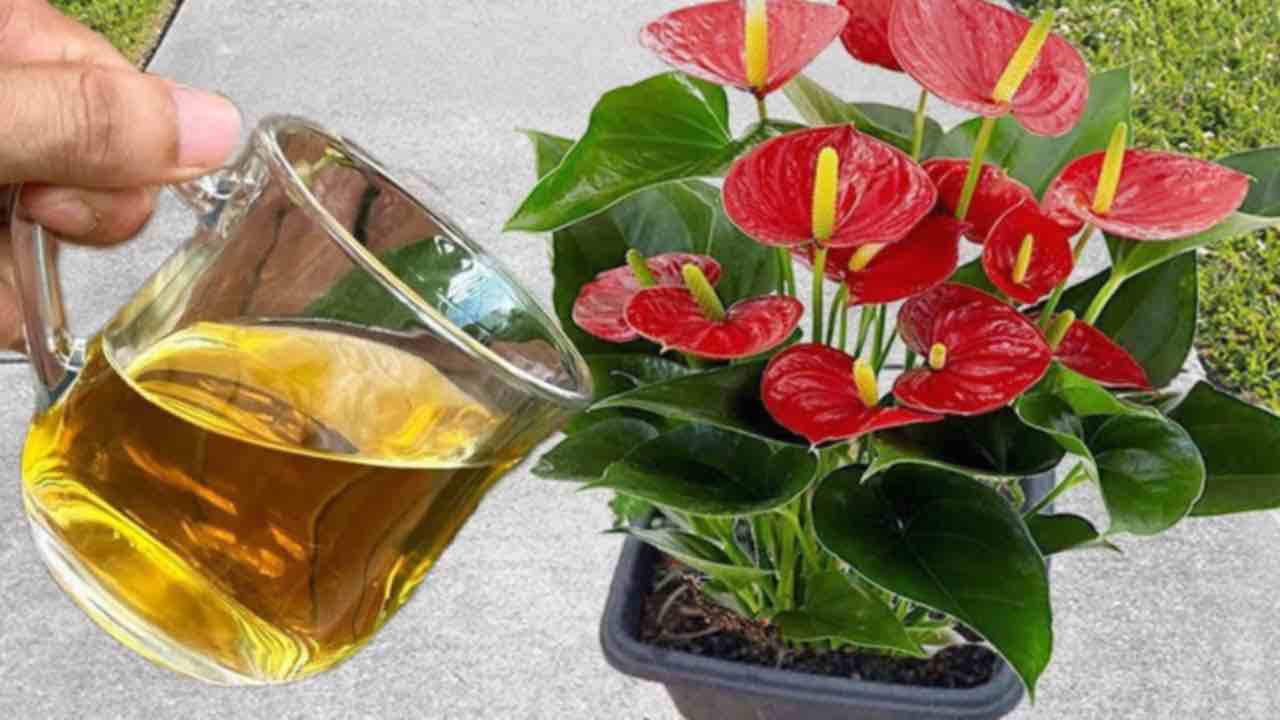
When it comes to feeding plants, we often think of commercial fertilizers that are expensive and full of chemicals and that sometimes, if not specific, run the risk of not being fit for purpose. However, there is a hidden treasure in our kitchen that can be turned into a powerful natural fertilizer: onion peels. Let’s see how they can be used to fertilize plants in a simple, economical and natural way.
Onion peels to make plants bloom on the balcony
Onion peels, generally considered food waste, actually contain essential nutrients and compounds beneficial to plant growth. In this article, we’ll look at how to make a homemade fertilizer using onion peels to feed plants and promote lush growth.
As anticipated, onion peels are rich in nutrients and compounds that can improve the health of plants on the balcony. Among the benefits of onion peels as fertilizer we can find important nutrients such as potassium, phosphorus and calcium, which are essential for the growth and development of plants. These food scraps help to enrich the soil with organic matter, improving its structure and increasing the soil’s ability to retain moisture.
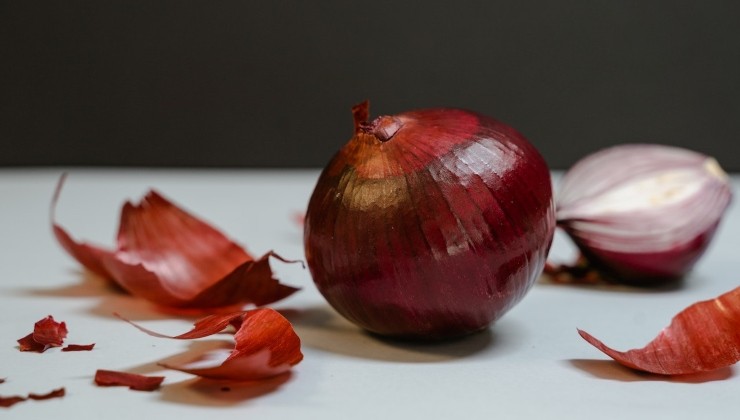
Among the optimal properties of onion peels we find the antifungal action. Thanks to their composition, they can protect plants from fungal diseases. In addition, the pungent smell of onion peels can act as a natural insect repellent, protecting your plants from unwanted attacks.
But let’s see how to make a fertilizer that is natural, inexpensive, and eco-friendly using onion peels.
Preparation of fertilizer with onion peels.
The essential ingredient is obviously onion peels. While cooking, set the skins aside instead of throwing them away. It’s always best to use organic onions to avoid taking unwanted pesticides. Once you’ve accumulated a certain amount of skins, it’s time to macerate them.
Take the harvested onion peels and place them in a blender or food mixer. Add a little water and mix until you get a pasty consistency. The water will help draw nutrients from the skins. Now you will have to dilute the mixture obtained even more. The recommended ratio is 1 part onion peel solution and 5 parts water. You can choose to adjust the dilution according to the specific needs of your plants.
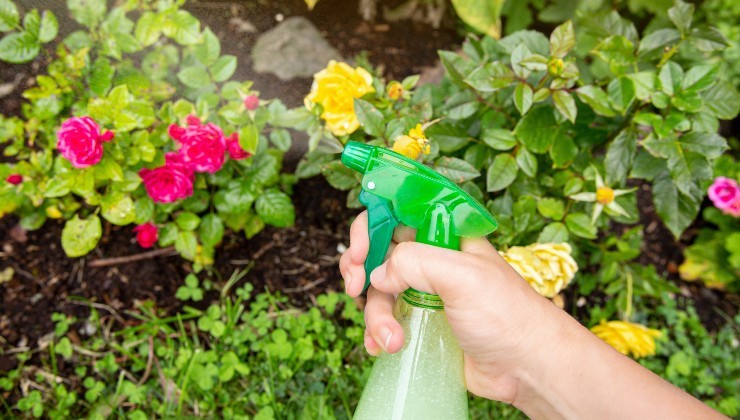
Once the solution is diluted, it’s time to use it on plants. You can choose to pour it directly into the base of the plants or use a sprayer to distribute it over the leaves. Be careful not to apply too much to avoid the risk of burns.
When to Apply Fertilizer
Onion peel-based fertilizer can be applied every 2-3 weeks during the growing season of the plants. However, the advice is to carefully observe your plants and adapt the frequency of application according to their specific needs.
The solution can also be made by preparing a decoction of onion peels by boiling them in water for about 20 minutes. After cooling, the decoction can be used as fertilizer for plants.
Be sure to use only onion peels and not whole bulbs, as bulbs can damage plant roots. It is also advisable not to use onion peel fertilizer on sensitive plants such as orchids or acidophilic plants.
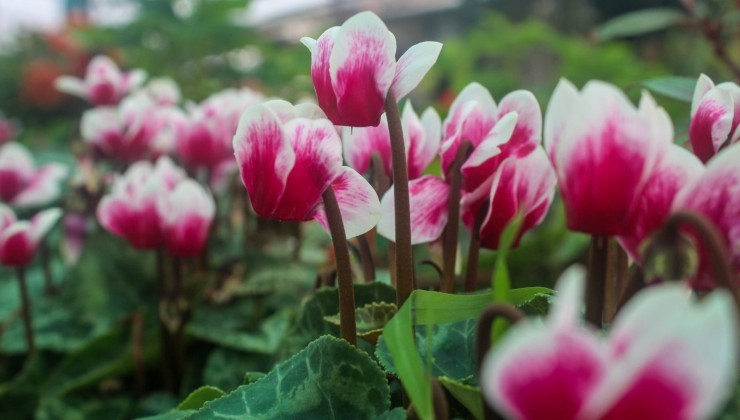
Onion peels represent a treasure that is often wasted in the kitchen, but they can become a natural and beneficial fertilizer for plants. Rich in essential nutrients and beneficial compounds, they can aid healthy growth, improve soil health, and protect plants from diseases and insects.
Try using this homemade fertilizer and you’ll see the benefits of lush, thriving plants. Not only will you save money on commercial fertilizers, but you’ll also help create a healthier, more sustainable environment for both plants and the environment.