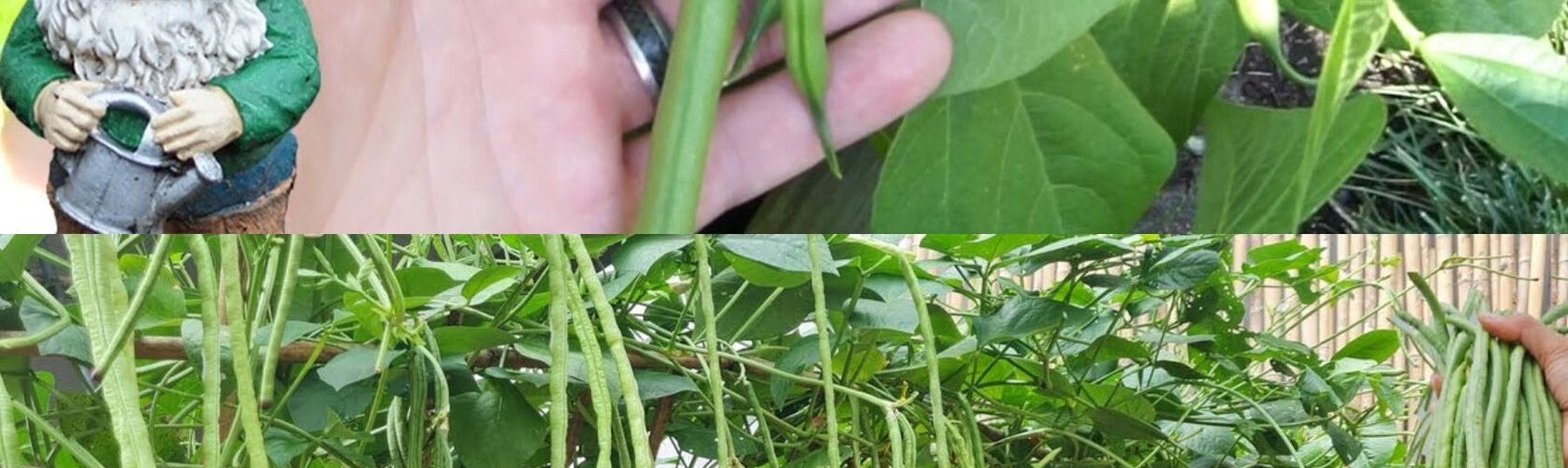
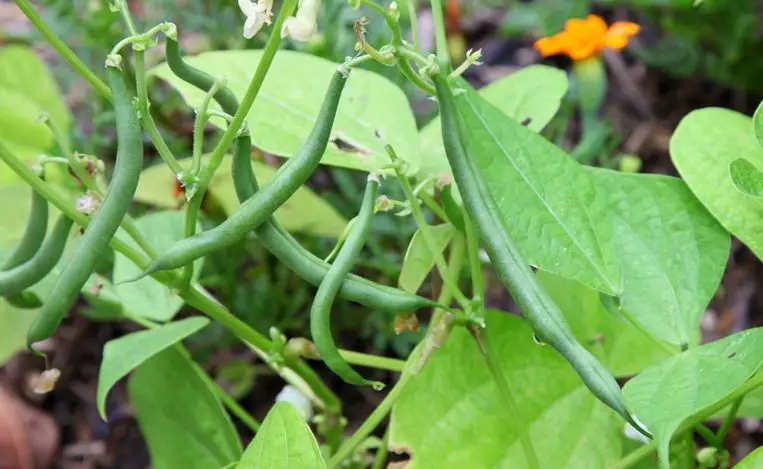
When in the July heat your lettuce, peas, and broccoli are submerged in dust, you can usually replant the beds with much better heat-tolerant (or at least heat-tolerant) crops.
Here are the vegetables I usually plant in July for a bumper harvest in late summer or early fall:
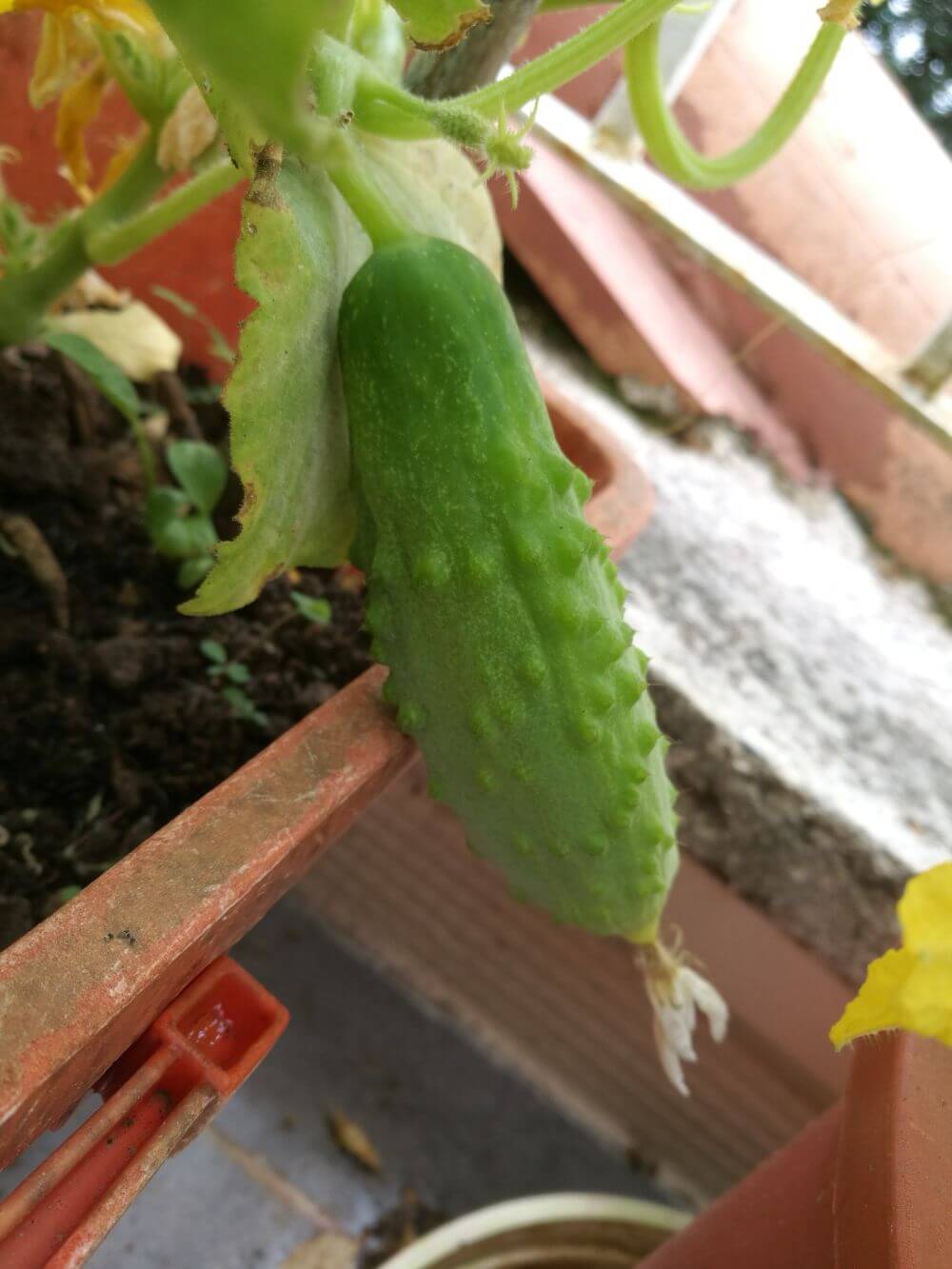
- Cucumbers
Most strains go from seed to harvest in just 52 days.
Cucumbers tolerate hot summer weather well as long as they have their daily supply of water.
In the photo above, the small cucumber will be transformed into a pickle in the same way as classic pickles and then stored in the fridge.
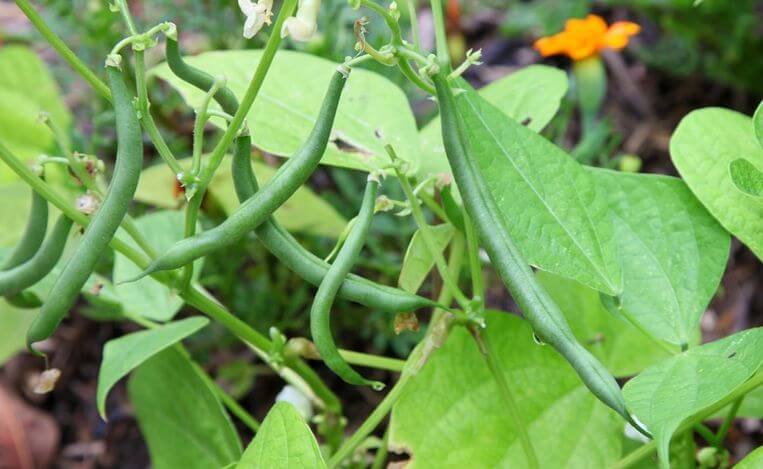
- Green beans.
I substituted my freshly whipped romaine lettuce with green beans. The time from sowing green bean seeds to harvesting is only 48 days. Therefore, I will have plenty of beans to freeze over the winter. Easy to grow, very cost-effective, and also easy to store.
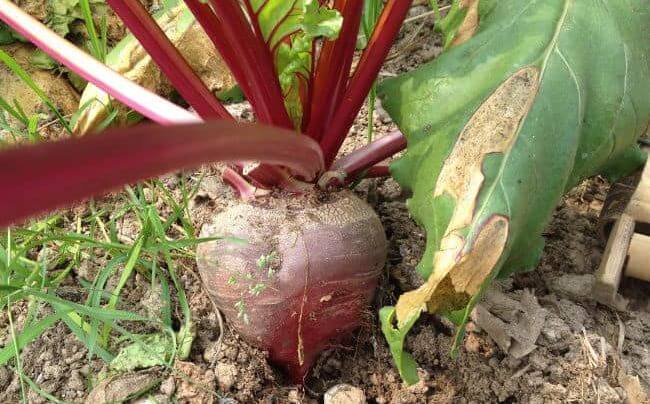
- beets
Beets also exhibit rapid growth. Edible vegetables can be cut for salads in just 25-30 days, while roots mature in 59 days.
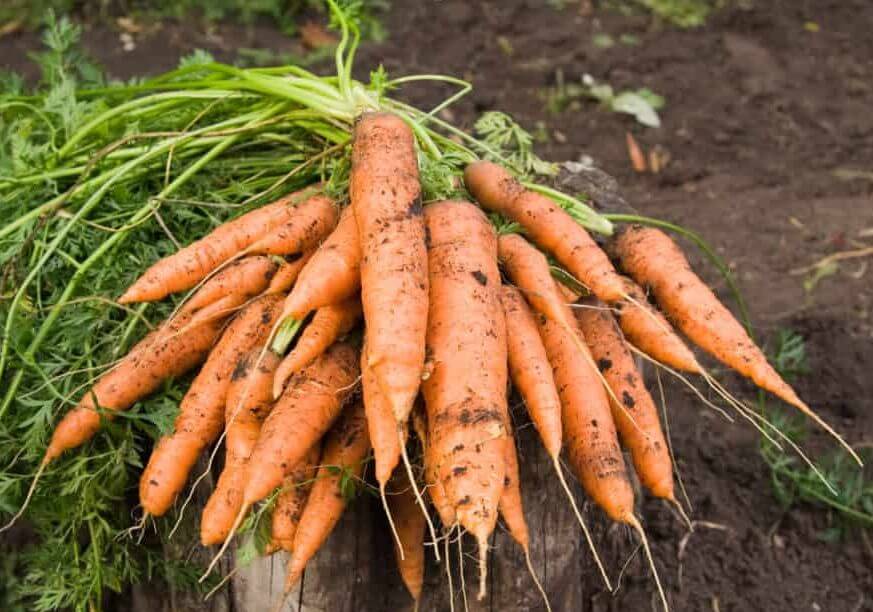
- Carrots.
Plant carrots in mid-July to harvest in late September (75 days from seed to harvest). Carrots are unique in that they will keep growing until the ground freezes. This year I planted carrots after my oak leaf lettuce had new quarters in the compost bin.
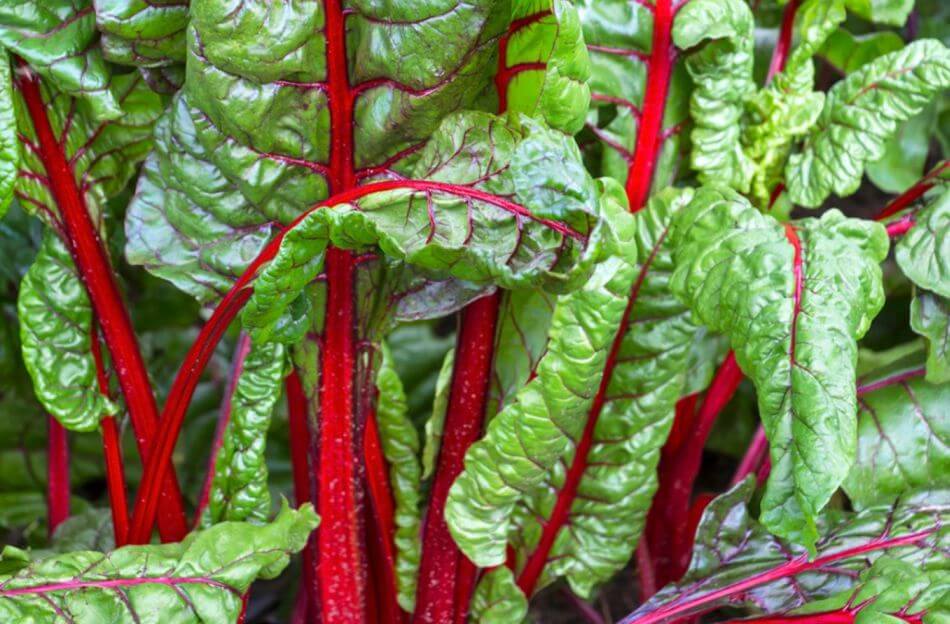
- The Côtes de Chards or Swiss Chard
What a great replacement crop, it only takes 60 days to get delicious, antioxidant-rich vegetables. And this vegetable does not weaken in the heat of summer.
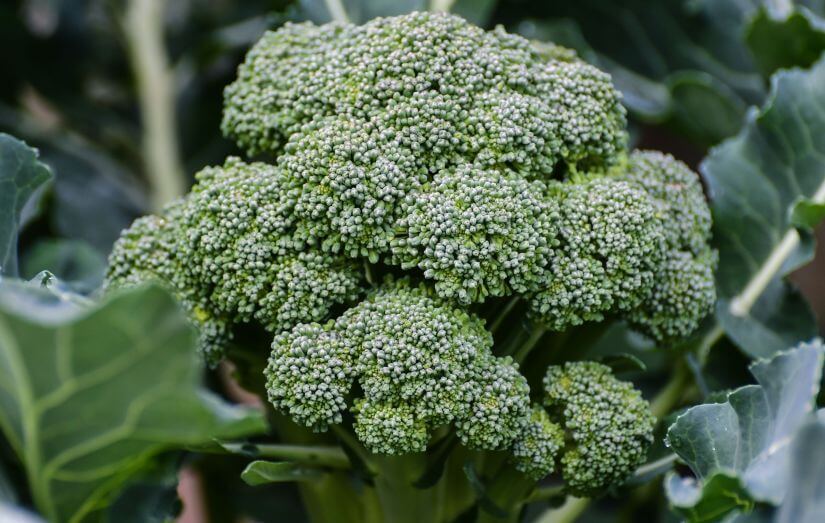
- Broccoli.
If your spring-planted broccoli was a mess (all leaves, headless), you can certainly start a fall harvest in mid-July or even late July. Do not sow in the same place as your previous crop, or it could cause pest problems. Wait 55 days from seed to harvest for broccoli.
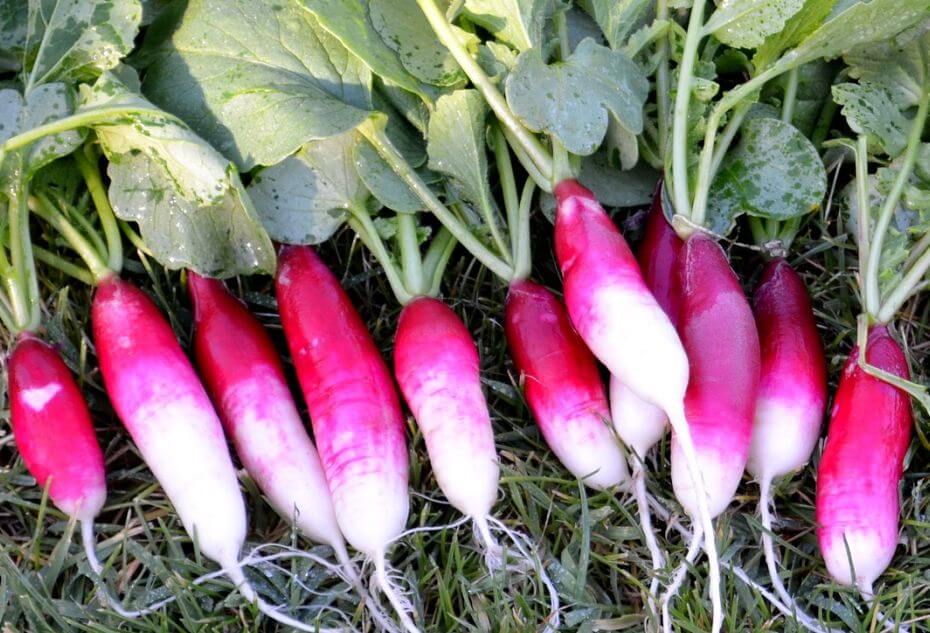
- radishes
All varieties, elongated or round, are ultra-fast, taking only 22-28 days from seed to harvest (ideal for beginners and children, but also always popular with all hobbyists and experts). Plant them now and you’ll soon have the main ingredient for great summer salads.
And have you thought about the pepper, squash, peanut, and tomato plants that haven’t sold in your nursery yet? It’s worth planting all of this now, especially if the plants are already in bloom. I recently bought, at my local nursery, 6 pepper plants for 1 euro each. The store was happy to recoup some of their investment, the seedlings were grateful to have been rescued from their retail prison, and I’m happy to have the surplus vegetables to can.
If you rely on your summer vegetable garden to get you through the winter months, and I certainly do, be sure to replace your finished crops with fresh crops. After all, cultivated land is precious to most of us. Why waste even one square meter? You just need to know how to turn.
Have you finished your spring crops? Tell me what vegetables you’re going to plant now for a fall harvest!